Oznaka:

Vitez švedskog stola
Đavo u istoriji
Avganistanske narodne bajke
Politika kao poziv

Sjećanja
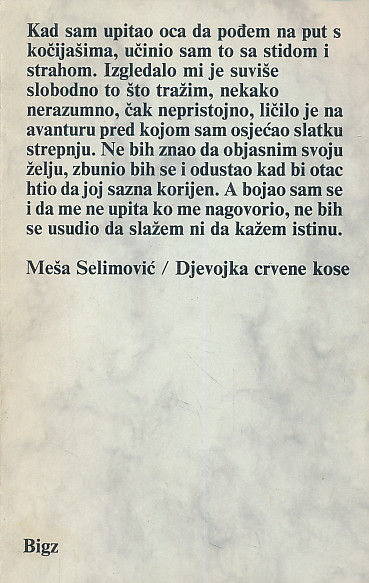
Djevojka crvene kose

Što mi rade
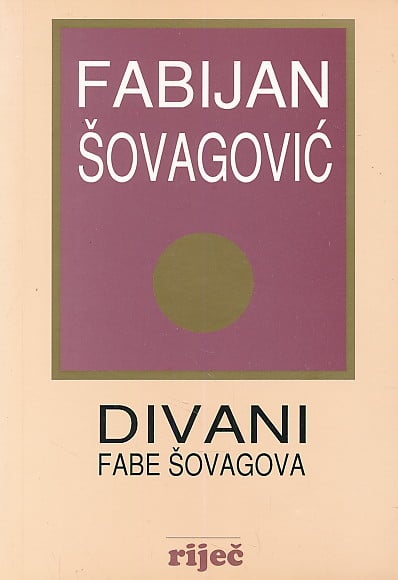
Slavonski divani
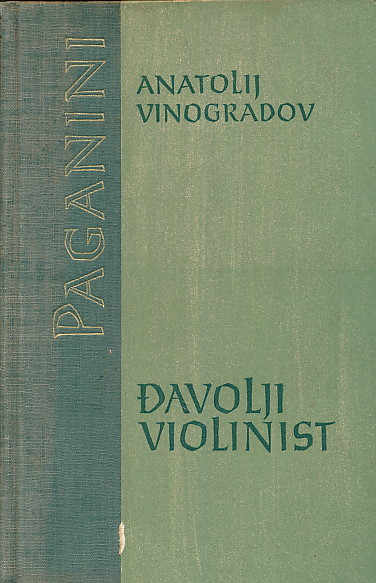
Đavolji violinist
Roman o Nikoli Paganiniju.

Lovac u žitu
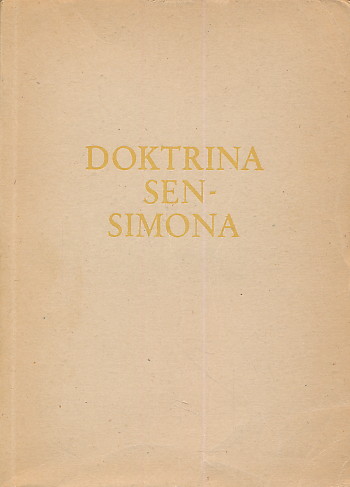
Doktrina Sen-Simona
Doktrina Sen-Simona / Henri de Reuvry Saint Simon Claude ; preveli s francuskog Ž. Radejković i Đ. Đorđević ; predgovor napisao Vojin Milić. – Socijalna utopija ranog francuskog romantizma.

Derviš i smrt

Sodoma i Gomora

Krema protiv smrti i druge priče
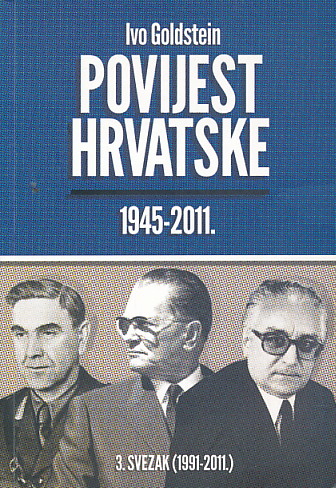
Povijest Hrvatske 1945-2011., sv. 3
Svezak 3: 1991-2011.

Hrvatska kronika 547. – 1089.
2. dopunjeno izd. Izvanredno izdanje / Matica hrvatska Split Tekst i na lat. jeziku.
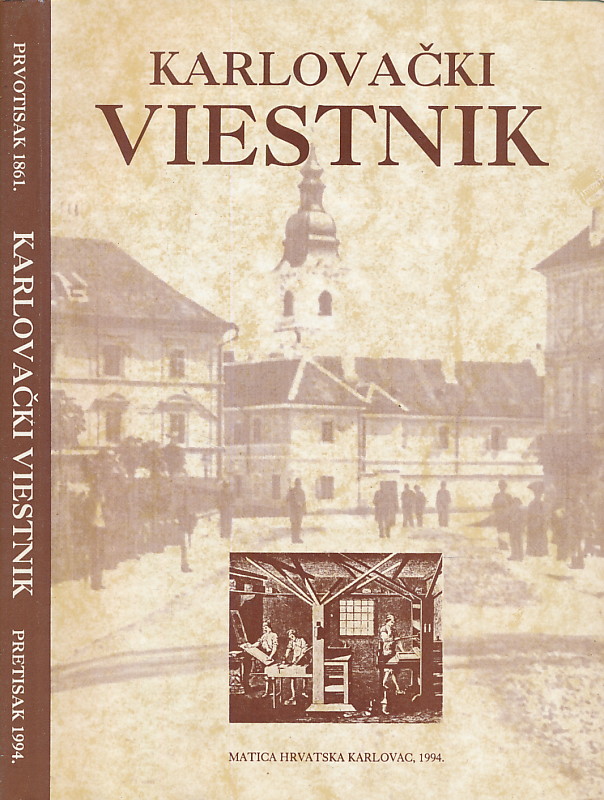
Karlovački Viestnik
Prvotisak 1861. Pretisak 1994.
Die Gedichte und kleine Dramen
Delle Opere di Torquato Tasso 1-2
332+478 pagine

Repression of Heresy in Medieval Germany

Miestopisni riečnik kraljevinah Dalmacije, Hervatske i Slavonije
Miestopisni riečnik kraljevinah Dalmacije, Hervatske i Slavonije / Orts-Lexikon der Konigreiche Dalmatien, Kroatien und Slavonien.
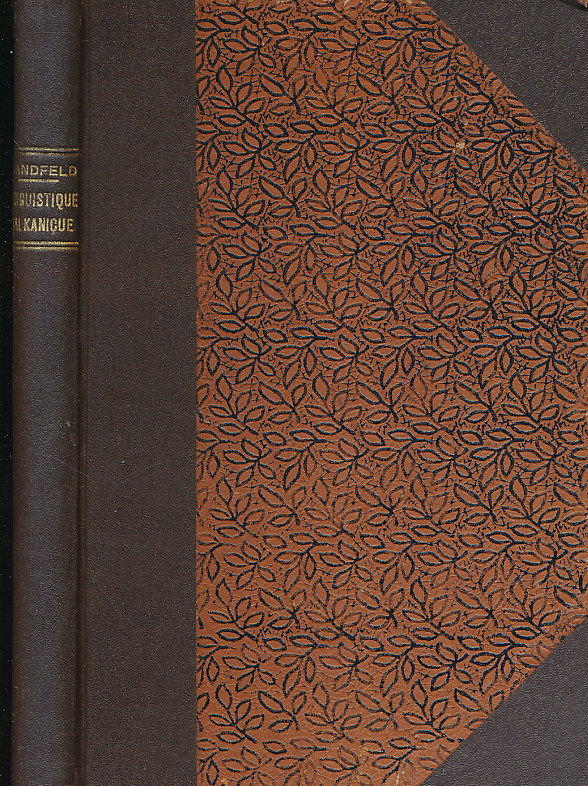
Linguistique balkanique. Problemes et résultats
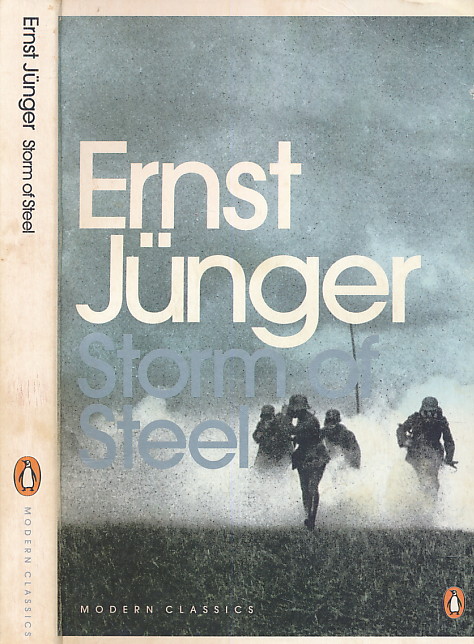
Storm of Steel
Presenting the desperate conflict of the First World War through the eyes of an ordinary German soldier, Ernst Jünger’s Storm of Steel is translated by Michael Hofmann in Penguin Modern Classics. ‘As though walking through a deep dream, I saw steel helmets approaching through the craters. They seemed to sprout from the fire-harrowed soil like some iron harvest.’ A memoir of astonishing power, savagery and ashen lyricism, Storm of Steel depicts Ernst Jünger’s experience of combat on the front line – leading raiding parties, defending trenches against murderous British incursions, and simply enduring as shells tore his comrades apart. One of the greatest books to emerge from the catastrophe of the First World War, it illuminates like no other book not only the horrors but also the fascination of a war that made men keep fighting for four long years. Ernst Jünger (1895-1998) the son of a wealthy chemist, ran away from home to join the Foreign Legion. His father dragged him back, but he returned to military service when he joined the German army on the outbreak of the First World War. Storm of Steel (Stahlgewittern) was Jünger’s first book, published in 1920. Greatly admired by the Nazis, Jünger remained at a distance from the regime, with books such as his allegorical work On the Marble Cliffs (1939) functioning as a covert criticism of Nazi ideology and methods. by Ernst Junger (Author), Michael Hofmann (Translator)