The Shadow of Blooming Grove: Warren G. Harding in His Times
The Shadow of Blooming Grove: Warren G. Harding in His Times

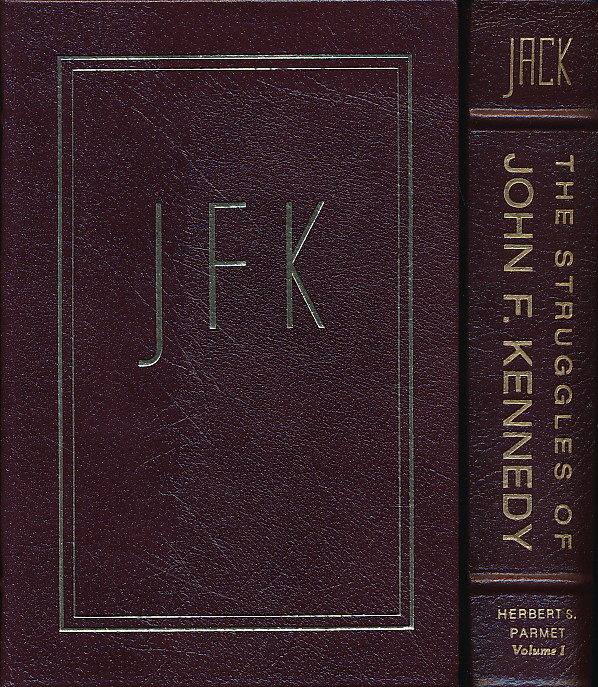
Volume I: Jack: The Struggles of John F. Kennedy Volume II: The Presidency of John F. Kennedy

The definitive life of Jefferson in one volume, this biography relates Jefferson’s private life and thought to his prominent public position and reveals the rich complexity of his development. As Peterson explores the dominant themes guiding Jefferson’s career–democracy, nationality, and enlightenment–and Jefferson’s powerful role in shaping America, he simultaneously tells the story of nation coming into being.
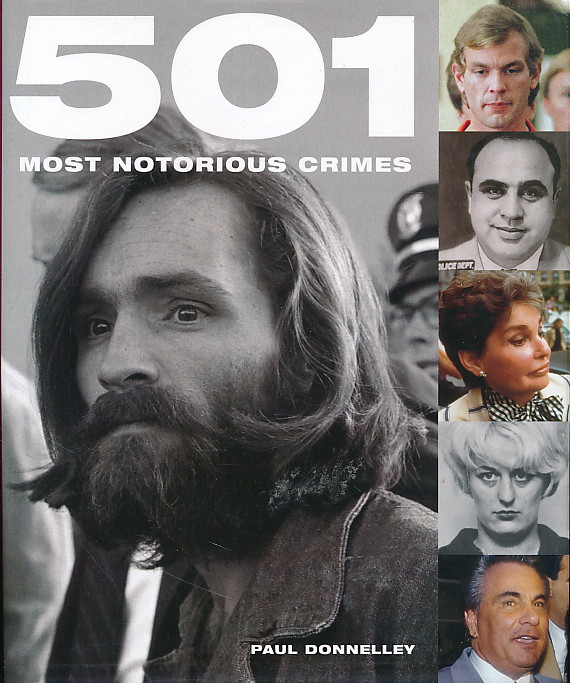
In 501 Most Notorious Crimes, the reader will find a fascinating line-up of notorious crooks, criminals, villains and thieves, from the mysterious disappearance of Lord Lucan, the assassination of JFK to the treason committed by Guy Fawkes. This book provides a fascinating insight into the world’s most notorious crimes.

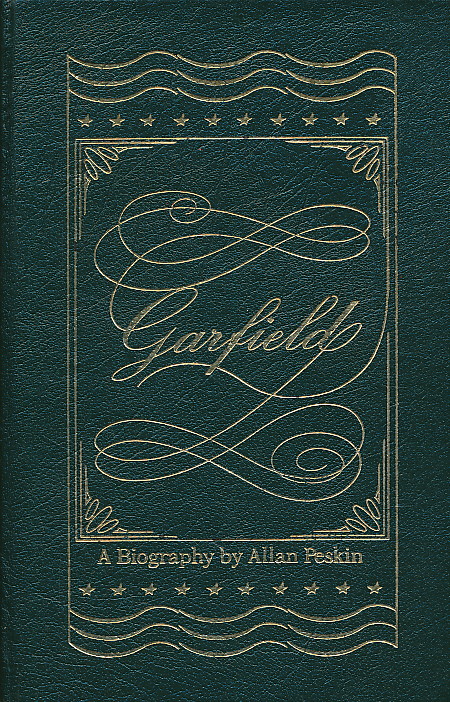
This first full-scale biography of our twentieth president in over fifty years reflects not only a renewal of interest in Garfield the man as the centennial of his inauguration nears, but in the Gilded Age of American politics in which he played so influential a role. Moving from the battlefield to Congress before the end of the Civil War, Garfield had a hand in almost everything of national importance for two decades, the years of peace, Reconstruction, and industrialization. As a party leader he, along with his friend James G. Blaine, forged the modern Republican Party into the instrument which would lead the United States into the twentieth century, and though his presidency was cut short by an assassin’s bullet, he succeeded in rescuing the office from the shadows of Johnson and Grant, elevated it above the Congress, and began the accretion of presidential power that has lasted to our own day.
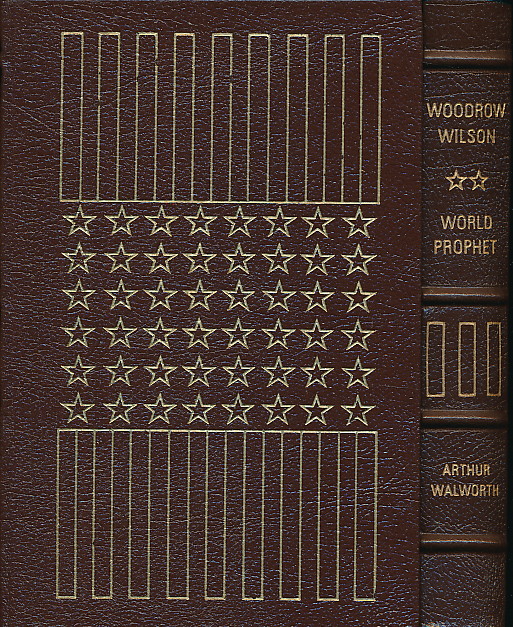
I: American Prophet II: World Prophet Third Edition
The former president relates the story of his public and private life from his modest beginnings in the Midwest, through a distinguished film career, to a second career in politics. Ronald Reagan’s account of that rise is told here with all the uncompromising candor, modesty, and wit that made him perhaps the most able communicator ever to occupy the White House, and also with the sense of drama of a gifted natural storyteller. He tells us, with warmth and pride, of his early years and of the elements that made him, in later life, a leader of such stubborn integrity, courage, and clear-minded optimism. Reading the account of this childhood, we understand how his parents, struggling to make ends meet despite family problems and the rigors of the Depression, shaped his belief in the virtues of American life—the need to help others, the desire to get ahead and to get things done, the deep trust in the basic goodness, values, and sense of justice of the American people—virtues that few presidents have expressed more eloquently than Ronald Reagan.
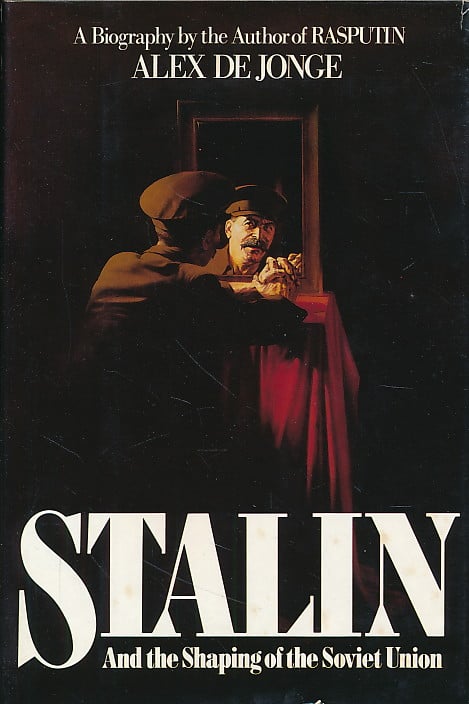
With tenacity, cunning and the ruthless use of terror as a political weapon, Joseph Stalin carved his way to supreme power in the Soviet Union and arguably did more than any other man to shape the world as we know it. In this major new biography Alex de Jonge provides a brilliant portrait of Stalin and the world he created.
In this sweeping narrative that takes us from the Stone Age to the Information Age, Robert Wright unveils an astonishing discovery: there is a hidden pattern that the great monotheistic faiths have followed as they have evolved. Through the prisms of archaeology, theology, and evolutionary psychology, Wright’s findings overturn basic assumptions about Judaism, Christianity, and Islam, and are sure to cause controversy. He explains why spirituality has a role today, and why science, contrary to conventional wisdom, affirms the validity of the religious quest. And this previously unrecognized evolutionary logic points not toward continued religious extremism, but future harmony. Nearly a decade in the making, The Evolution of God is a breathtaking re-examination of the past, and a visionary look forward.
The Prairei Years and The War Years One-Volume Edition The Library of the Presidents
The life of James Buchanan is in essence the story of a man who declined to be a dictator. Republics are traditionally ungrateful, and in Buchanan’s case the American republic has been notoriously thankless to the man who was, from log cabin to White House, the relentless foe of fanatics and demagogues; a man who held that reason and restraint were the essential tools of self-government, and who bent all his energies to achieve by means of law and diplomacy what others later sought to accomplish by civil war. As a result of nearly fifty years’ experience in the public service, James Buchanan entered the presidency with more advance training than any man who has ever held the post. As a Congressman he sustained the power of the Supreme Court to review state laws in an argument that Charles Warren has called one of the great and signal documents in the history of American constitutional law. In the Senate he worked incessantly to keep clearly defined the live between the powers of the executive, judicial, and legislative branches and between the state and federal governments. While he was Minster to Russia he negotiated the first commercial treaty with that country; his English Mission diminished the traditional American hatred for England and laid the foundations for subsequent Anglo-American friendship.

A Biography of John & Julia Gardiner Tyler
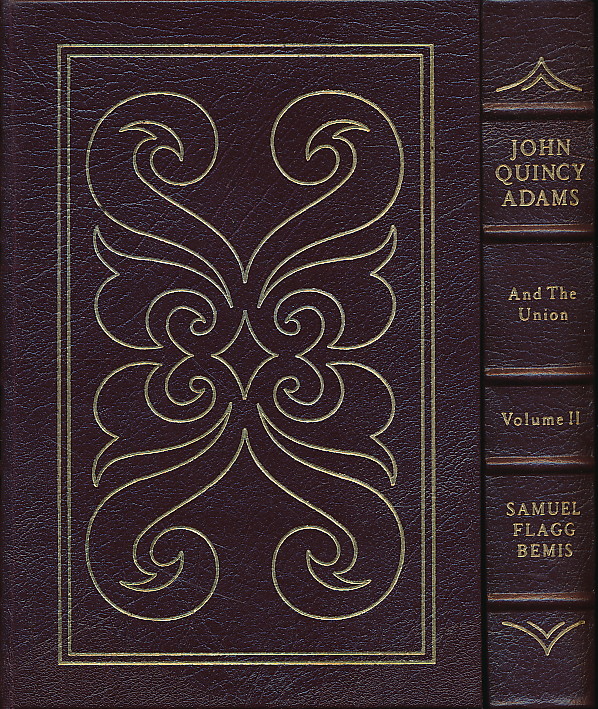
Volume I: And the Foundation of American Foreign Policy Volume II: And the Union Adams, John Quincy (1767-1848), sixth President of the United States, son of John Adams, second President of the United States, born in Braintree ( now Quincy ), Mass., and educated at Harvard College. In 1778 at the of eleven, John Quincy Adams was taken abroad by his father, when the latter visited Paris on a diplomatic mission; three years later, after brief periods of study in Paris, Amsterdam, and Leidan, the youth became private secretary to the American jurist Francis Dana, then United States minister to Russia. Dana was not received by the Russian government, and Adams rejoined his father in Paris, where he served in a secretarial capacity to the American commissioners who were negotiating of peace with Great Britain. At the conclusion of this mission, the elder Adams became the first United States minister to England, while John Quincy returned to America to enter Harvard. After his graduation, he studied law, and was admitted to the bar in 1790. His unusual opportunities and training were soon recognized. In 1794 President George Washington appointed him minister to Holland, and he subsequently filled diplomatic posts in Portugal and Prussia. After his return to the United States in 1801 he engaged more actively in politics; in 1802 he was elected to the Massachusetts legislature, and in 1803 to the United States Senate.


The definitive biography of one of the most enduring political figures of the 20th century. Margaret Truman writes with unequaled insight and understanding about her father’s extraordinary life and offers rare glimpses at the personalities and politics behind the world events of his time. A New York Times bestseller.
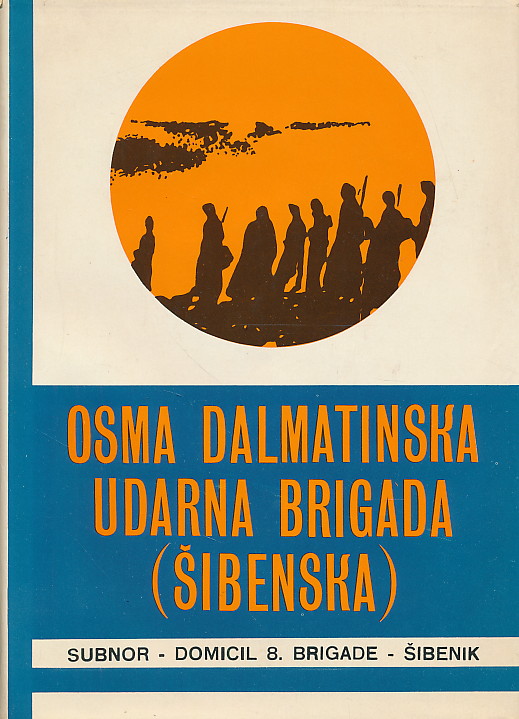
VIII / 8. dalmatinska udarna
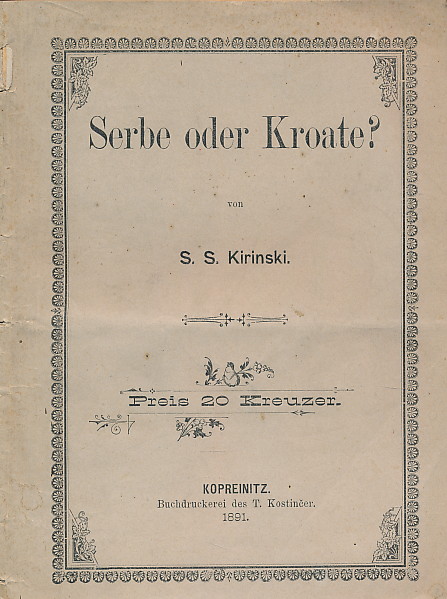
Izdnaje Buchdruckerei des T. Kostinčer, Kopreinitz. Stjepan Šašić, rođen je u glinskom kraju, živio je u Koprivnici, bio je časnik u Habsburškoj Monarhiji, pisao je i objavljivalo pod pseudonimima S.S.K. i S. S. Kirinski, te bio angažiran u javnom i političkom životu Hrvatske, Koprivnice i onodobnim preporodnim strujanjima.
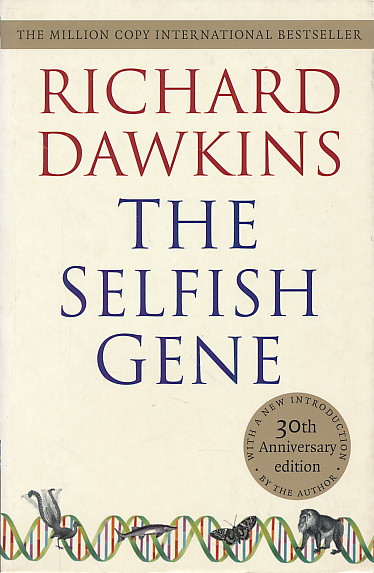
Inheriting the mantle of revolutionary biologist from Darwin, Watson, and Crick, Richard Dawkins forced an enormous change in the way we see ourselves and the world with the publication of The Selfish Gene. Suppose, instead of thinking about organisms using genes to reproduce themselves, as we had since Mendel’s work was rediscovered, we turn it around and imagine that our genes build and maintain us in order to make more genes. That simple reversal seems to answer many puzzlers which had stumped scientists for years, and we haven’t thought of evolution in the same way since. Drawing fascinating examples from every field of biology, he paved the way for a serious re-evaluation of evolution. He also introduced the concept of self-reproducing ideas, or memes, which (seemingly) use humans exclusively for their propagation. If we are puppets, he says, at least we can try to understand our strings.
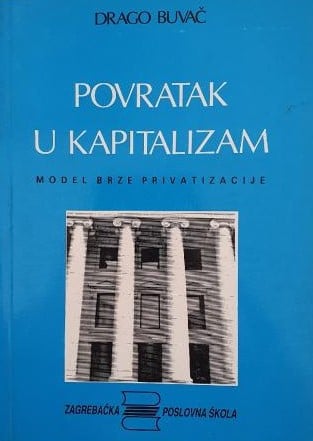
Model brze privatizacije. Autor konstatira da se burne promjene u dosadašnjim socijalističkim zemljama još uvijek pretežno odvijaju u političkoj sferi, a da su ekonomske ostale u sjeni . Ova konstatacija ne samo da je točna, nego pokazuje koliko su ti ekonomski sustavi žilavi u nastojanju svog očuvanja. No u njihovu mijenjanju, naglašavam mijenjanju, dakle ne dopunjavanju ili reformiranju, ključnu ulogu ima promjena vlasničke strukture.