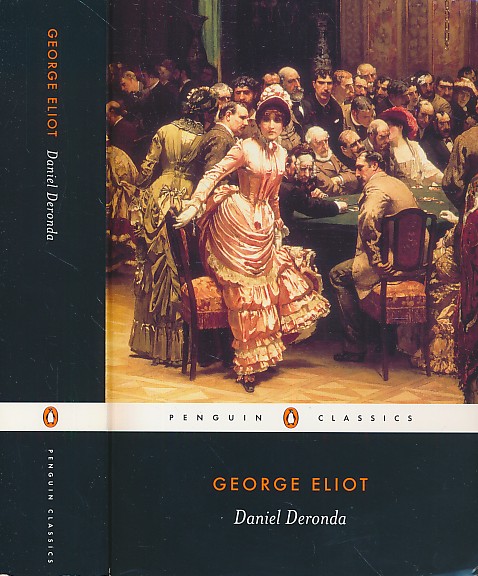
George Eliot’s final novel, Daniel Deronda (1876), intertwines two parallel narratives set in Victorian England. The beautiful but selfish Gwendolen Harleth impulsively marries the cruel aristocrat Grandcourt, plunging into guilt and moral crisis after his death, seeking redemption through the principled Daniel Deronda. Deronda, raised uncertain of his parentage by a wealthy guardian, rescues the despairing Jewish singer Mirah Lapidoth from suicide, drawing him into London’s Jewish community and early Zionist ideals under the tutelage of the scholar Mordecai. As Deronda uncovers his own Jewish heritage from his estranged mother, a former actress, he embraces his identity, falls in love with Mirah, and commits to a spiritual mission for Jewish restoration, contrasting Gwendolen’s personal turmoil with broader themes of heritage, empathy, and self-discovery.
Nijinsky by Richard Buckle is a definitive biography chronicling the extraordinary life of Vaslav Nijinsky, the legendary Russian ballet dancer renowned as one of the greatest male dancers of the 20th century. Richard Buckle meticulously traces Nijinsky’s meteoric rise through the Ballets Russes under Sergei Diaghilev’s mentorship, highlighting his revolutionary performances in works like L’Apres-midi d’un faune and Le Sacre du printemps, which redefined ballet with their expressive naturalism and psychological depth. The narrative poignantly captures the dancer’s tempestuous personal relationships, artistic genius, and tragic descent into schizophrenia, culminating in his early retirement at age 29 and lifelong institutionalization, supported by his devoted wife Romola. Buckle’s richly researched account weaves diaries, letters, and eyewitness accounts into a compelling portrait of triumph shadowed by madness.
Finding Perfect: A Novella by Colleen Hoover is a heartfelt New Adult romance that bridges her Hopeless series and All Your Perfects. It follows college freshmen Daniel Wesley and Six Jacobs, whose relationship strains under the weight of a secret teenage pregnancy from an anonymous encounter, resulting in a closed adoption of their son during Six’s exchange trip in Italy. Desperate to heal Six’s lingering grief, especially during the holidays, Daniel searches for the adoptive parents, leading to emotional revelations, a tearful reunion with their child Matteo, and ultimate closure that redefines family and mends their bond.
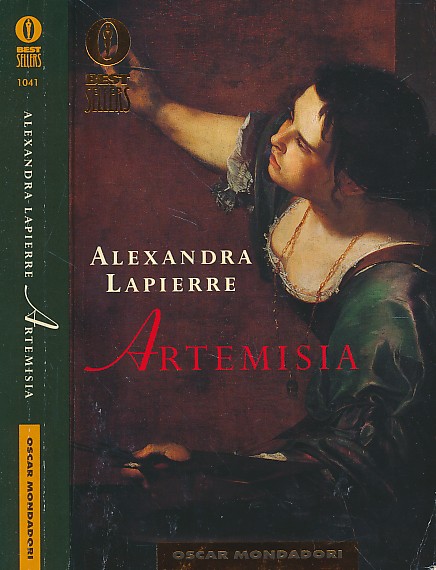
Nel cuore di Roma, nel 1611, la giovane Artemisia Gentileschi, intrappolata nella bottega paterna tra tele e pigmenti, lottava con pennello in mano contro l’ombra ingombrante del padre Orazio, genio caravaggesco geloso del suo talento nascente. L’aria densa di trementina e ambizione si lacerava quando Agostino Tassi, l’amico traditore, irrompeva nella sua vita violando il suo corpo e il suo spirito, scatenando un processo scandalo che squarciava il velo ipocrita dell’Italia barocca. Da quel sangue versato nacque la sua ribellione, un duello eterno tra amore filiale e odio artistico, verso una liberta conquistata tela dopo tela, tra papi corrotti e re affascinati.
The Poetical Works of Longfellow is a comprehensive collection of Henry Wadsworth Longfellow’s poetry, one of America’s most beloved 19th-century poets. Published in various editions from the mid-1800s onward, it gathers his most celebrated narrative epics and lyrical verses, including Evangeline, which recounts the tragic separation and lifelong search of two Acadian lovers amid the expulsion of their people; The Song of Hiawatha, an epic in trochaic tetrameter inspired by Native American legends that traces the hero’s life, innovations like the canoe and agriculture, and his people’s encounter with European culture; and shorter gems like Paul Revere’s Ride and The Courtship of Miles Standish. Longfellow’s style blends romantic idealism, moral reflection, and vivid natural imagery, often drawing from history, mythology, and folklore to evoke universal themes of love, loss, heroism, and harmony with nature.
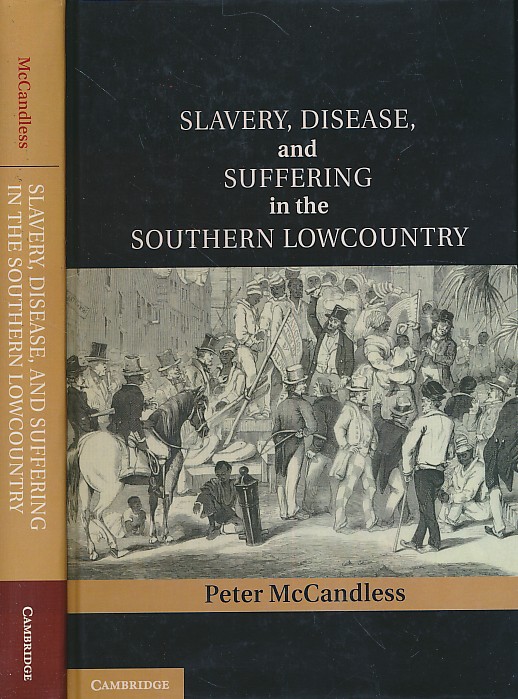
Slavery, Disease, and Suffering in the Southern Lowcountry by Peter McCandless examines the Carolina lowcountry on the eve of the American Revolution, revealing it as British North America’s wealthiest yet unhealthiest region. The book argues that extreme wealth from rice cultivation and profound human suffering through slavery and rampant diseases were deeply interconnected, driven by the environmental and labor demands of rice production. McCandless vividly portrays how fevers, malaria, and other illnesses devastated enslaved Africans, white planters, merchants, soldiers, and Native Americans alike, shaping the social, economic, and epidemiological history of the area. Ex Public Library Copy.
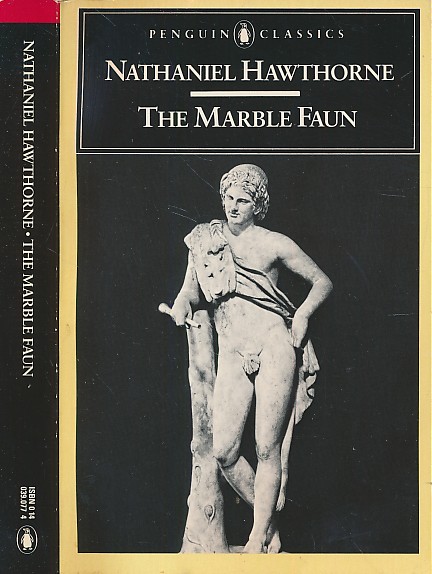
Nathaniel Hawthorne’s The Marble Faun, published in 1860, is a romance novel set in Rome that intertwines art, sin, and moral ambiguity through four central characters: the enigmatic painter Miriam, the pure copyist Hilda, the sculptor Kenyon, and the faun-like Italian nobleman Donatello. The plot pivots around a murder when Donatello hurls Miriam’s sinister stalker from a cliff, sparking profound guilt and transformation among the group, as Hawthorne probes themes of innocence lost, the fall from Edenic purity, and the enriching potential of experience amid Rome’s ancient decay. Contrasting Puritan restraint with Catholic sensuality, the narrative unfolds against Italy’s cultural backdrop, leaving readers to ponder whether crime elevates the soul or stains it irreparably.
Italian Journey by Johann Wolfgang von Goethe chronicles the author’s transformative travels through Italy from 1786 to 1788, originally drawn from his diaries and letters, and published in 1816-1817. Goethe vividly describes his encounters with classical ruins, Renaissance art, and vibrant landscapes in cities like Rome, Naples, Florence, and Sicily, blending detailed observations of architecture, nature, and culture with profound personal reflections on artistic renewal and self-discovery. The work captures his escape from the constraints of Weimar court life, marking a pivotal shift toward classical ideals that influenced his later masterpieces like Faust.
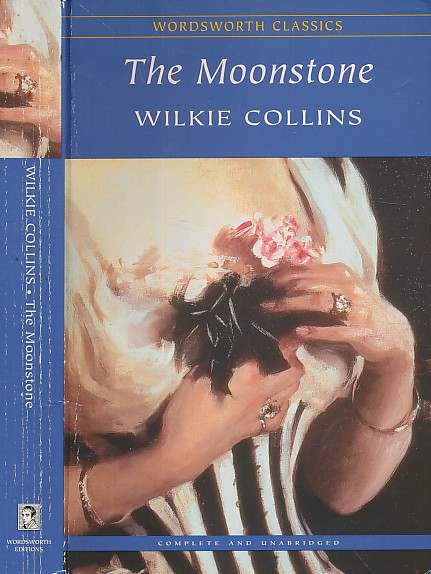
The Moonstone by Wilkie Collins is a pioneering Victorian detective novel published in 1868, widely regarded as one of the first full-length mysteries in English literature. The story revolves around a massive yellow diamond, sacred to a Hindu temple and looted from India during the Siege of Seringapatam, which Colonel John Herncastle bequeaths to his niece Rachel Verinder on her 18th birthday. That night, the gem vanishes from her bedroom, sparking a complex investigation involving suspicious Indian jugglers, household servants like the troubled Rosanna Spearman, and Scotland Yard’s Sergeant Cuff, narrated through multiple perspectives that reveal secrets of opium-induced amnesia, hidden motives, and imperial guilt. Told with intricate plotting and social commentary, the novel explores themes of colonialism, fate, and deception, culminating in a surprising resolution that restores the stone to its origins.
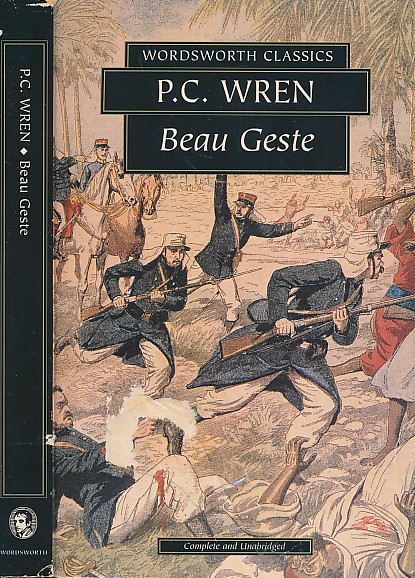
Beau Geste by P.C. Wren follows the Geste brothers—Michael (Beau), Digby, and John—who are orphans raised by their wealthy aunt, Lady Patricia, at Brandon Abbas in England. When her prized Blue Water sapphire vanishes during a gathering, suspicion falls on the young relatives, prompting each brother to nobly confess to shield the others and flee to join the French Foreign Legion in North Africa. There, they endure brutal training, desert skirmishes with local tribes, and the sadistic command of Sergeant Lejaune at the remote Fort Zinderneuf, where loyalty, honor, and brotherhood are tested amid deception, violence, and a cleverly staged mystery about corpses propped at ramparts to deter attackers. The narrative, framed through John’s recounting, unfolds as a rip-roaring adventure blending upper-class valor with gritty Legion life, culminating in revelations that affirm family devotion over material loss.
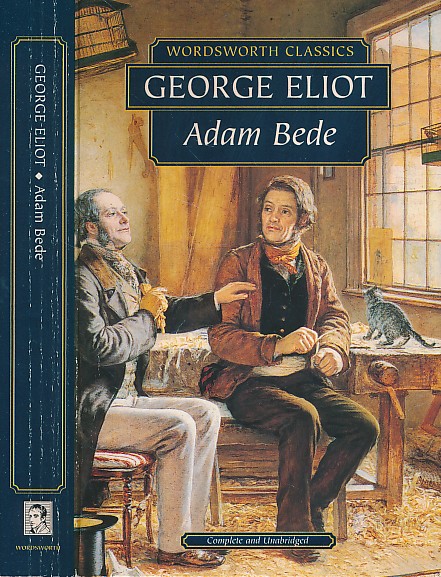
Adam Bede, George Eliot’s debut novel published in 1859, is set in the rural English village of Hayslope in 1799 and vividly portrays early 19th-century provincial life among carpenters, farmers, and laborers. The story centers on Adam Bede, a principled and hardworking carpenter in love with the beautiful but vain Hetty Sorrel, who falls prey to the charms of Arthur Donnithorne, the youthful squire whose seduction leads to tragedy, remorse, and a trial for child murder. Amid themes of love, morality, social class, and redemption, Hetty’s cousin Dinah Morris, a devout Methodist preacher, offers compassion that influences the outcome, while Adam finds eventual solace in a union with Dinah, highlighting Eliot’s exploration of human folly and forgiveness in a close-knit community.
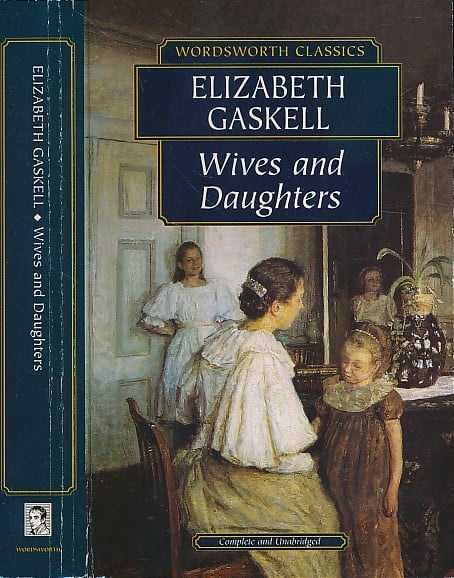
Wives and Daughters by Elizabeth Gaskell is a Victorian novel set in the 1830s English Midlands, centering on Molly Gibson, the sensitive daughter of a widowed local doctor. When her father remarries the vain Hyacinth Kirkpatrick, a former governess, Molly gains a glamorous but troubled stepsister, Cynthia, sparking tensions, secrets, and romantic entanglements involving the Hamley family and their sons. The story explores evolving class dynamics, family loyalties, love, and social expectations in a provincial town, blending warmth, scandal, and keen social observation.
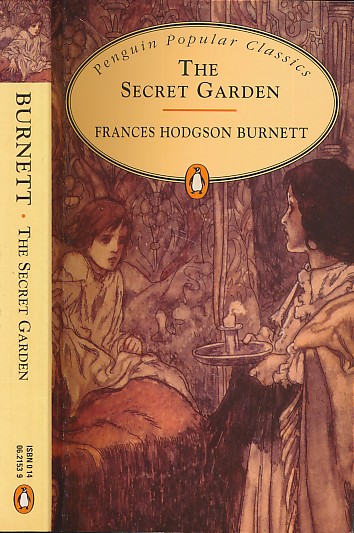
The Secret Garden by Frances Hodgson Burnett is a timeless children’s classic published in 1911. It follows Mary Lennox, a spoiled and sour-tempered orphan sent from India to live with her reclusive uncle at Misselthwaite Manor in the Yorkshire moors. There, she discovers a hidden, neglected walled garden—locked since her aunt’s death—and, with the help of her frail cousin Colin and nature-loving boy Dickon, secretly restores it to vibrant life. As the garden blooms, the children undergo profound transformations, gaining health, friendship, and hope through nature’s magic, ultimately healing their family and themselves.
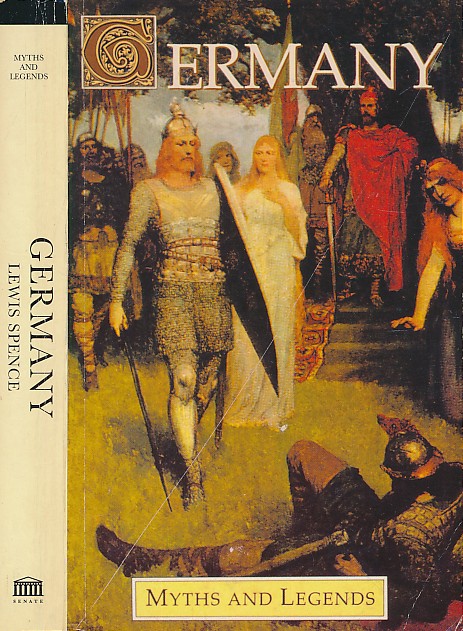
Germany: Myths and Legends is a captivating anthology that delves into the rich folklore of Germany, retelling ancient Germanic tales of world creation, divine adventures, and heroic exploits involving gods, goddesses, heroes, dwarves, giants, and supernatural beings like the Wild Hunt and Frau Holle. Drawing from medieval sources and oral traditions akin to those compiled by the Brothers Grimm, the book chronicles the cultural tapestry shaped by these myths, blending magical realism with historical legends from regions like the Rhine and Hessen.
The American Political Dictionary (11th edition) by Jack C. Plano, co-authored with Milton Greenberg and published in 2002, serves as a comprehensive reference guide to the terminology and concepts of American politics. Organized into 15 topical chapters—ranging from political ideas and the U.S. Constitution to foreign policy, national defense, and state government—this encyclopedia-style dictionary provides concise definitions for each term followed by a significance section explaining its practical and historical importance in the American political system. Widely adopted since its debut in 1962 as a supplemental text for introductory American government courses, the 11th edition spans over 750 pages and remains a proven, accessible tool for students, educators, and researchers navigating the technical language and operational dynamics of U.S. governance. Ex Public Library Copy.
Old Furniture for Modern Rooms is a vintage design guide that explores practical ways to integrate antique and period furniture into contemporary living spaces, emphasizing harmony between historical craftsmanship and modern aesthetics. The book likely features illustrations of classic pieces like carved oak cabinets, Georgian chairs, and Victorian settees repurposed alongside sleek mid-20th-century interiors, offering advice on scale, proportion, color coordination, and subtle restoration techniques to avoid an overly museum-like feel. Drawing from early 20th-century tastes, it celebrates the warmth and character of old woodwork while adapting it for everyday functionality in urban homes.
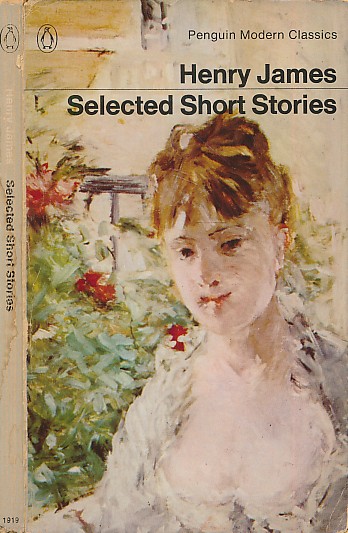
Selected Short Stories by Henry James is an anthology showcasing the master’s mastery of the form, featuring a selection of his finest tales from across his career, often spanning brief vignettes to more extended narratives. These stories delve into James’s signature themes, including the clash between the old world of Europe and the new world of America, the corrosive effects of money and social ambition, and the intricate psychology of human relationships marked by irony, ambiguity, and unspoken desires. Highlights from various editions might include works like The Real Thing, The Beast in the Jungle, or Lord Beaupre, illustrating his subtle exploration of perception, class tensions, and the expatriate experience with elegant prose and profound insight.
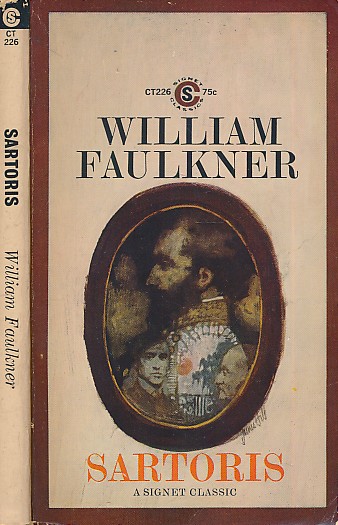
Sartoris by William Faulkner, published in 1929, is a Southern Gothic novel set in the fictional Yoknapatawpha County, Mississippi, depicting the decline of the aristocratic Sartoris family in the post-World War I era. The story centers on young Bayard Sartoris, a haunted war veteran grieving his twin brother’s death, whose reckless behavior—marked by dangerous driving and self-destructive impulses—mirrors the family’s entrapment in the shadow of their Civil War hero patriarch, Colonel John Sartoris. Through vivid evocations of the decaying Southern landscape and interwoven narratives of past and present, the novel explores themes of legacy, loss, honor, and the inescapable pull of tradition on a fading aristocracy.
The Reivers by William Faulkner, published in 1962, is a picaresque comic novel set in early 20th-century Mississippi. It follows eleven-year-old Lucius Priest, who joins his family’s employee Boon Hogganbeck and the shrewd Ned McCaslin on an impulsive borrowing of the grandfather’s new Winton Flyer automobile for a trip to Memphis. Their adventure spirals into a whirlwind of mishaps, including a bordello stay, a horse race scam, moral quandaries, and encounters with vice, ultimately serving as Lucius’s coming-of-age tale amid themes of innocence lost, racial dynamics, and the clash between tradition and modernity.
Faulkner, William Published by Signet, NY, 1961
Knjiga Anite Peti-Stantić Čitanjem do (spo)razumijevanja izuzetno je potrebna u našemu društvu. U njoj se prvi put u nas na sasvim nov način spajaju neurolingvistička i psiholingvistička perspektiva koje utemeljuju disciplinu znanosti o čitanju, a autorica ih na temelju svoga iskustva dovodi u vezu sa suvremenim postavkama glotodidaktike. Takva se istraživanja u svijetu u posljednjih dvadesetak godina iznimno intenzivno razvijaju. Polazeći od čitanja kao složene aktivnosti koja zahtijeva automatizaciju i ulančavanje procesa u mozgu svakoga pojedinca, autorica ističe važnost rada na strukturiranju intelektualnoga vokabulara mladih i upućivanja u strukture teksta. U tome smislu nudi i konkretne vježbe za koje se nada da će učiteljima pomoći u radu.