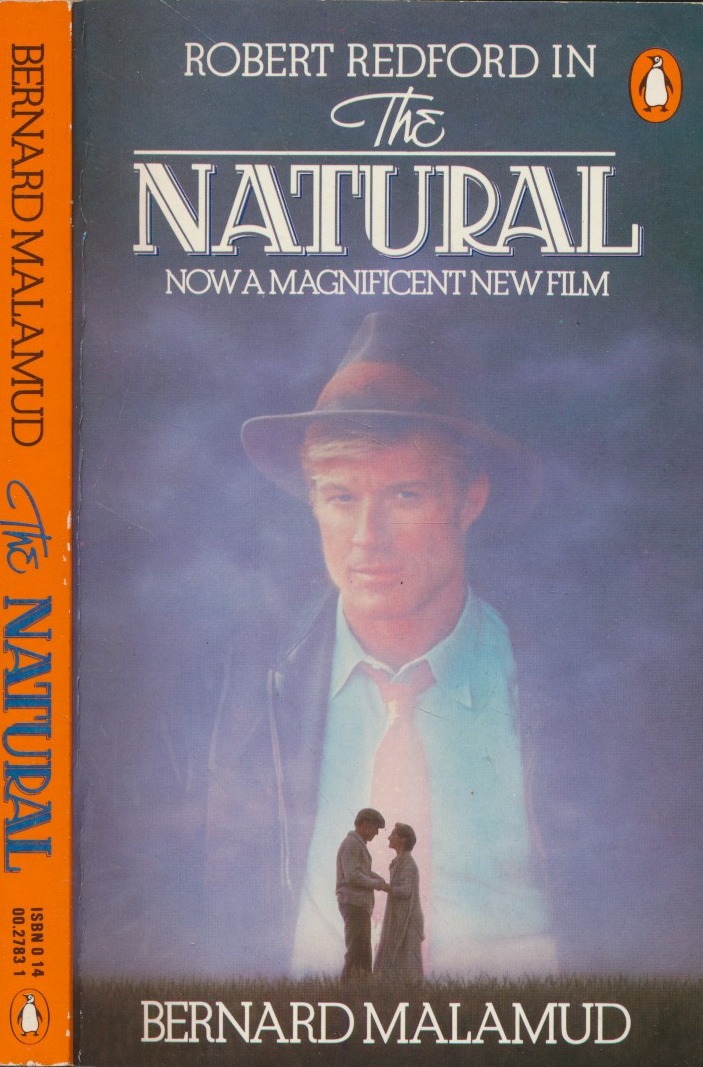
A modern American classic, this novel tells the story of Roy Hobbs, a gifted baseball player whose rise to stardom is shadowed by early tragedy and personal flaws. Blending realism with mythic overtones, it explores ambition, talent, temptation, and the fragile nature of success. Roy’s journey through professional baseball becomes a meditation on the American Dream—its promise, its illusions, and the cost of moral compromise. Bernard Malamud, a major figure in twentieth-century American fiction and a Pulitzer Prize winner, brings psychological depth and symbolic richness to this tale of heroism and failure, making it compelling for readers interested in sports, character-driven drama, and literary explorations of fate and redemption.
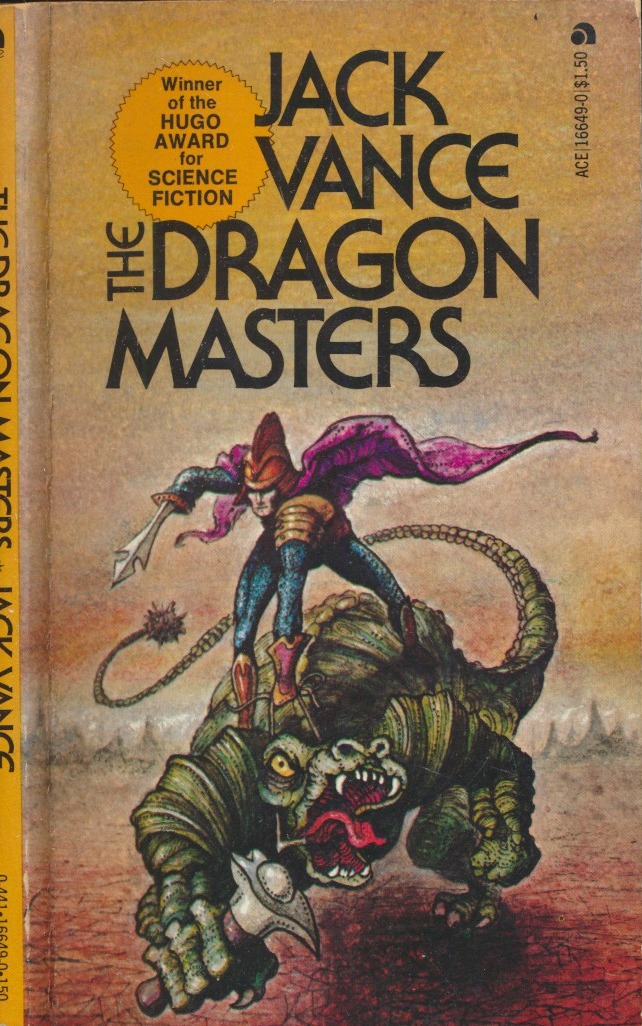
Set on a distant, war-torn world, this brisk and imaginative science fiction novel follows a human community locked in a long struggle against a reptilian alien species. To survive, the humans have bred formidable “dragons” — genetically engineered creatures designed for battle — and carefully manage bloodlines as both military assets and social currency. When a young leader rises to challenge both the alien threat and entrenched human traditions, strategy, ingenuity, and biological cunning become the keys to survival. The book blends planetary adventure with sharp social observation, exploring themes of evolution, hierarchy, adaptation, and the uneasy line between master and weapon. Jack Vance, celebrated for his ornate prose and the influential Dying Earth series, brings his characteristic wit and flair for world-building to this compact, Hugo Award–winning tale.
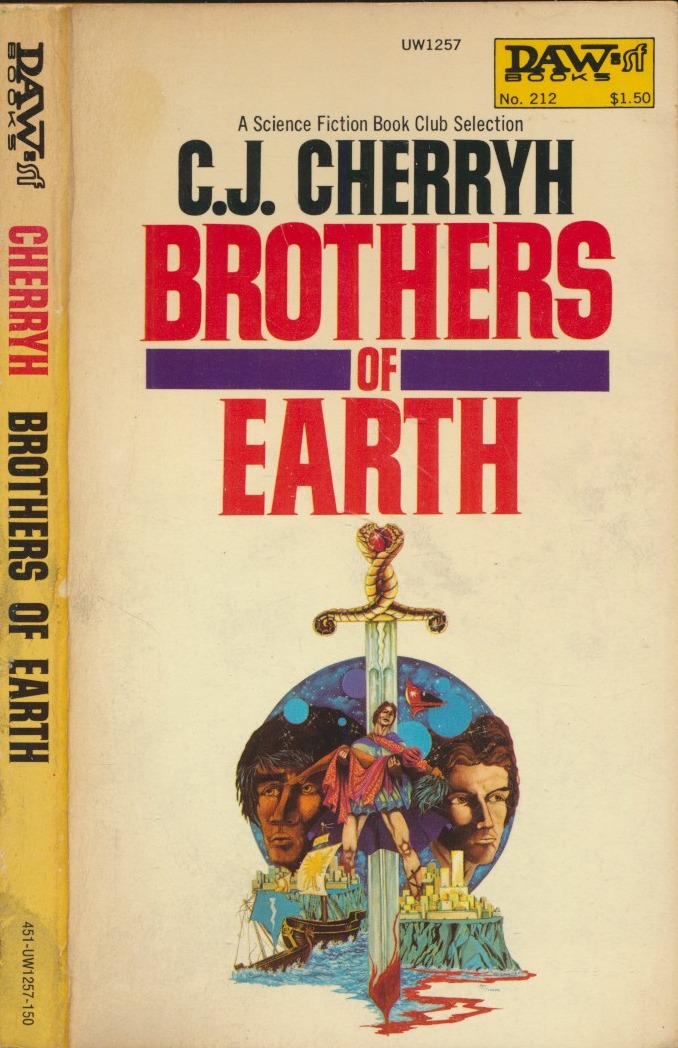
A stranded human pilot finds himself alone on an alien world after his ship is destroyed, forced to navigate the treacherous politics of rival native species in order to survive. As he becomes entangled in their intricate social structures, shifting alliances, and codes of honor, he must rely on intelligence, diplomacy, and resilience rather than force. The novel explores themes of cultural misunderstanding, loyalty, identity, and the fragile possibilities of coexistence between radically different beings. This early work by C. J. Cherryh—who would go on to become a major voice in science fiction, known for her psychologically complex characters and detailed alien societies—already showcases her talent for immersive world-building and nuanced interspecies drama. Readers who enjoy thoughtful first-contact stories, morally complex choices, and richly imagined alien cultures will find much to appreciate here.
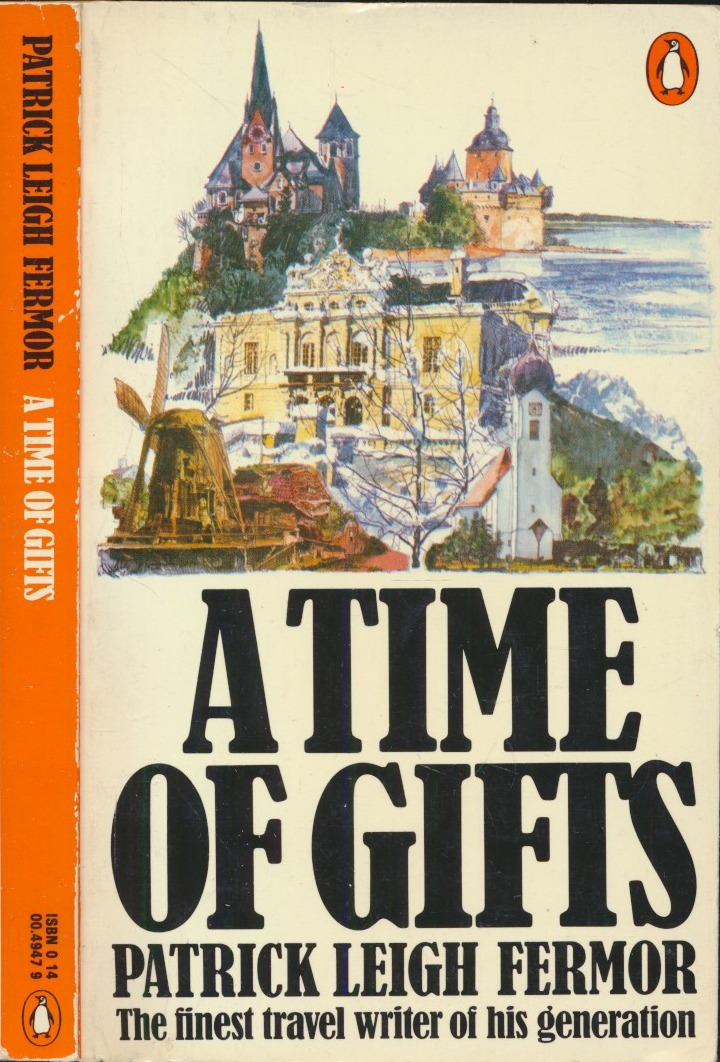
The first volume of a celebrated trilogy, this memoir recounts the author’s youthful journey on foot across Europe in 1933–34, from the Hook of Holland to the Danube. Written decades later with extraordinary grace and erudition, it blends vivid travel narrative with reflections on history, language, art, and the vanishing world of prewar Europe. Moving through the Low Countries, Germany, Austria, and Hungary, the young traveler encounters monks, aristocrats, laborers, and fellow wanderers, capturing a continent on the brink of upheaval. Renowned as one of the twentieth century’s great travel writers, the author brings a poet’s eye and a scholar’s depth to this coming-of-age adventure, making it a classic of literary travel and a poignant portrait of a lost Europe.
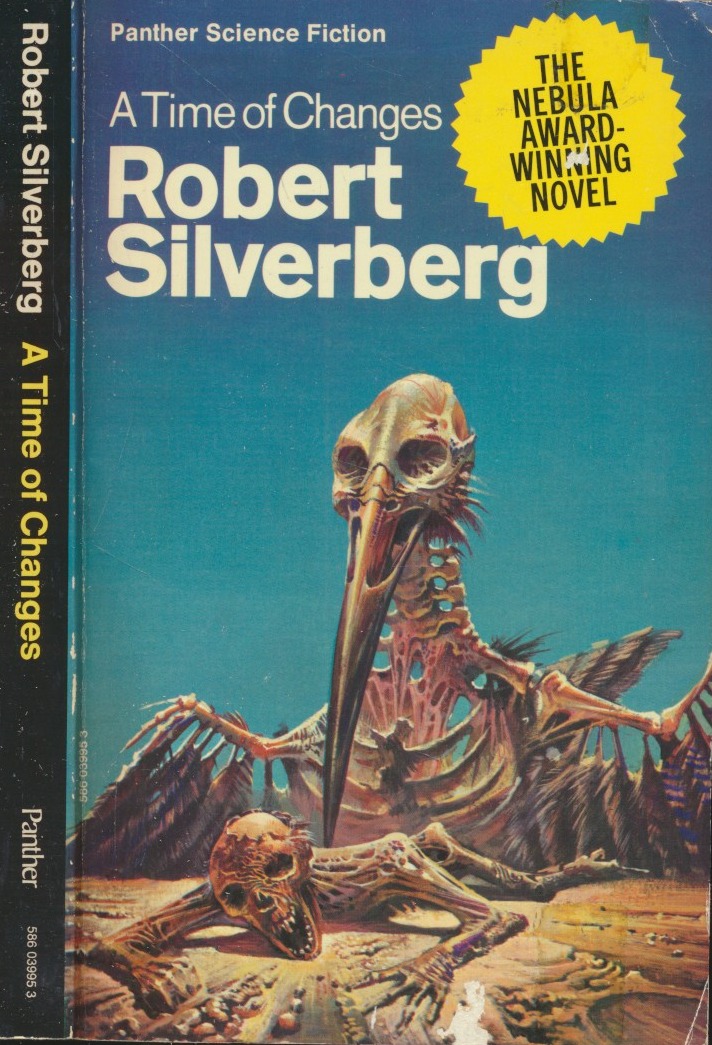
Set on the distant planet of Borthan, this thoughtful science fiction novel explores a society in which the use of the word “I” is forbidden and self-revelation is considered a profound social taboo. The story follows Kinnall Darival, a prince who begins to question the rigid customs of his world after encountering a substance that encourages uninhibited confession. As he records his own secret memoir, he embarks on a quiet but radical journey toward individuality and emotional honesty. Robert Silverberg, one of the major voices of 20th-century science fiction, brings psychological depth and philosophical insight to this exploration of identity, conformity, and the power of language. Introspective and provocative, it will appeal to readers who enjoy character-driven speculative fiction that examines the structures shaping human connection.
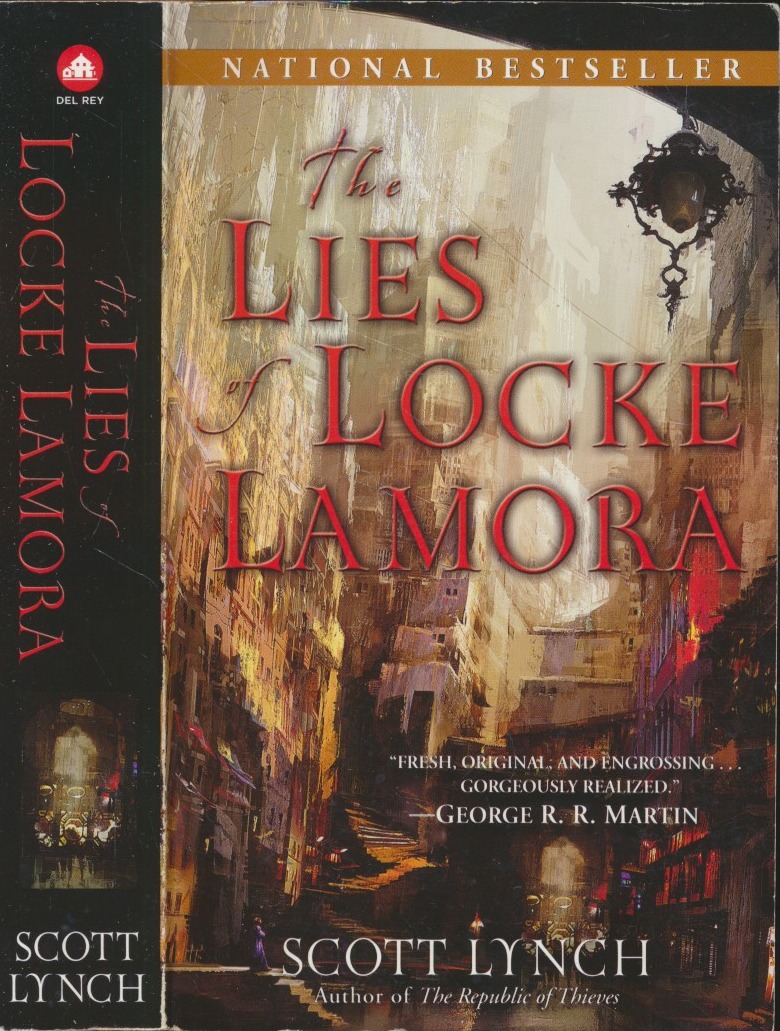
The first book of the epic fantasy caper Gentleman Bastard Sequence about a roguish group of conmen, which George R. R. Martin says “captured me right on the first page and never let me go.” “If you haven’t read [The Lies of Locke Lamora], you should. If you have read it, you should probably read it again.”—Patrick Rothfuss An orphan’s life is harsh—and often short—in the mysterious island city of Camorr. But young Locke Lamora dodges relentless danger, becoming a thief under the tutelage of a gifted con artist. As leader of the band of light-fingered brothers known as the Gentlemen Bastards, Locke is soon infamous, fooling even the underworld’s most feared ruler. But in the shadows lurks someone still more ambitious and deadly. Faced with a bloody coup that threatens to destroy everyone and everything that holds meaning in his mercenary life, Locke vows to beat the enemy at his own brutal game—or die trying. Don’t miss any of Scott Lynch’s epic fantasy Gentleman Bastard Sequence: THE LIES OF LOCKE LAMORA • RED SEAS UNDER RED SKIES • THE REPUBLIC OF THIEVES
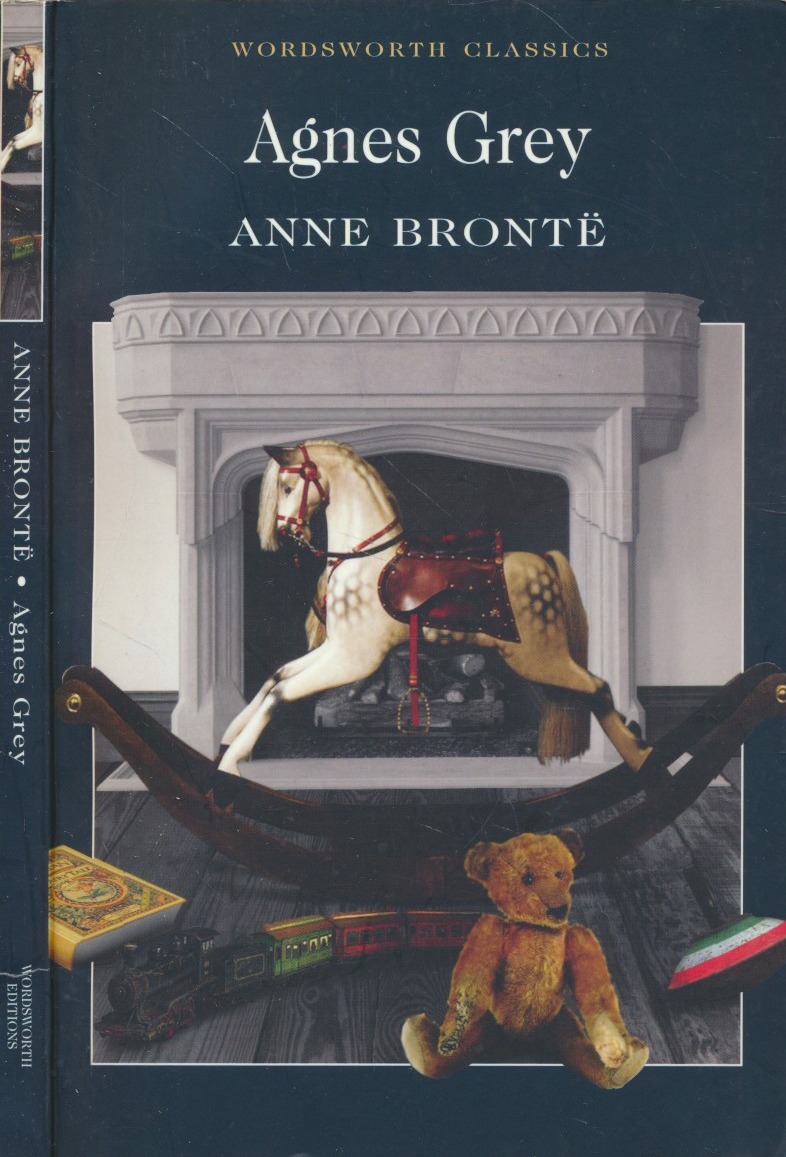
A quietly powerful novel drawn from the author’s own experience as a governess, this work follows a young woman who leaves her modest family home to earn her living in the households of wealthy employers. There she encounters spoiled children, indifferent parents, and the rigid social hierarchies of Victorian England. Through her trials, the story explores themes of dignity, moral integrity, class, and the limited opportunities available to women. Anne Brontë, the youngest of the Brontë sisters, brings a clear-eyed realism and gentle moral strength to her heroine’s journey. Subtle, compassionate, and sharply observant, this novel will appeal to readers who appreciate classic literature, strong female perspectives, and intimate portraits of 19th-century life.
A candid, witty, and introspective novel from the author who became a literary icon with *Fear of Flying*, this book continues the story of poet and heroine Isadora Wing. Now married and living in Europe, Isadora finds herself questioning love, fidelity, motherhood, ambition, and the meaning of personal freedom. As she navigates the emotional and practical complications of adult life, she confronts the gap between romantic ideals and lived experience. Blending sharp humor with psychological honesty, the novel explores themes of feminism, identity, creativity, and the ongoing struggle to reconcile independence with intimacy. Erica Jong’s frank treatment of female desire and self-determination made her a defining voice of 1970s literature, and this work reflects the era’s cultural debates while remaining relatable in its portrayal of marriage and self-discovery. An engaging read for fans of character-driven fiction and feminist writing.
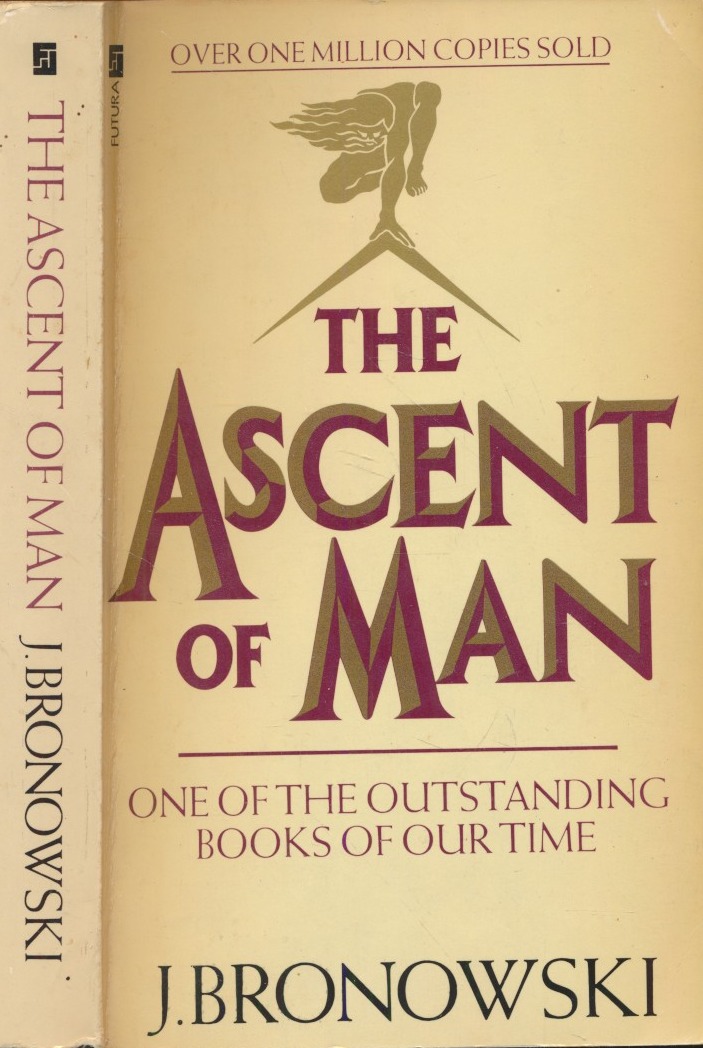
Based on the celebrated BBC television series, this richly illustrated volume traces the intellectual evolution of humanity from prehistoric toolmakers to the scientific revolution and the modern age. Jacob Bronowski—mathematician, scientist, and humanist—explores how curiosity, creativity, and the disciplined use of reason have shaped civilization. Moving through milestones in astronomy, physics, biology, and culture, he emphasizes the deeply human qualities behind discovery: imagination, doubt, and moral responsibility. Written in clear, elegant prose, the book blends science, history, and philosophy, making complex ideas accessible without oversimplifying them. It will appeal to readers interested in the history of ideas, the development of scientific thought, and the enduring question of what it means to be human.
A lively, expansive historical novel, this work reimagines the world of the notorious eighteenth‑century heroine Fanny Hill, transforming her into a witty, resilient narrator of her own adventures. Set against the richly drawn backdrop of the 1700s, the story follows Fanny’s journey through love, hardship, travel, and self-discovery as she navigates a society that seeks to confine women’s bodies and ambitions. Blending picaresque adventure with sharp social satire, the novel explores themes of sexual freedom, female independence, and the search for identity. Its author, widely known for her groundbreaking feminist novel *Fear of Flying*, brings humor, intelligence, and boldness to this reworking of literary history. Readers who enjoy feminist fiction, historical settings, and spirited heroines will find much to savor in this sweeping, provocative tale.
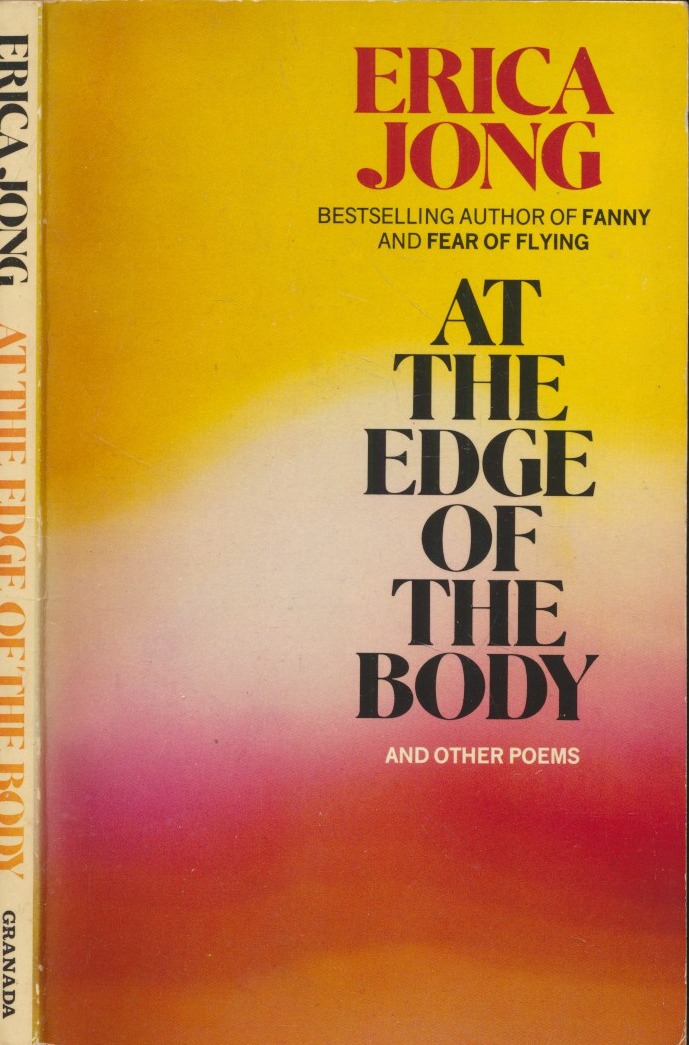
A slim collection of poems by the celebrated American writer best known for *Fear of Flying*, this volume showcases her lyrical voice at once intimate, sensual, and intellectually alert. The poems explore the body as a site of memory, desire, motherhood, aging, and artistic creation, moving between erotic candor and reflective wit. With her characteristic blend of confessional intensity and feminist insight, she examines love, identity, and mortality in language that is both direct and musically charged. Readers drawn to contemporary poetry that engages boldly with women’s experience and the complexities of selfhood will find here a compact yet resonant work from a major late‑20th‑century literary figure.
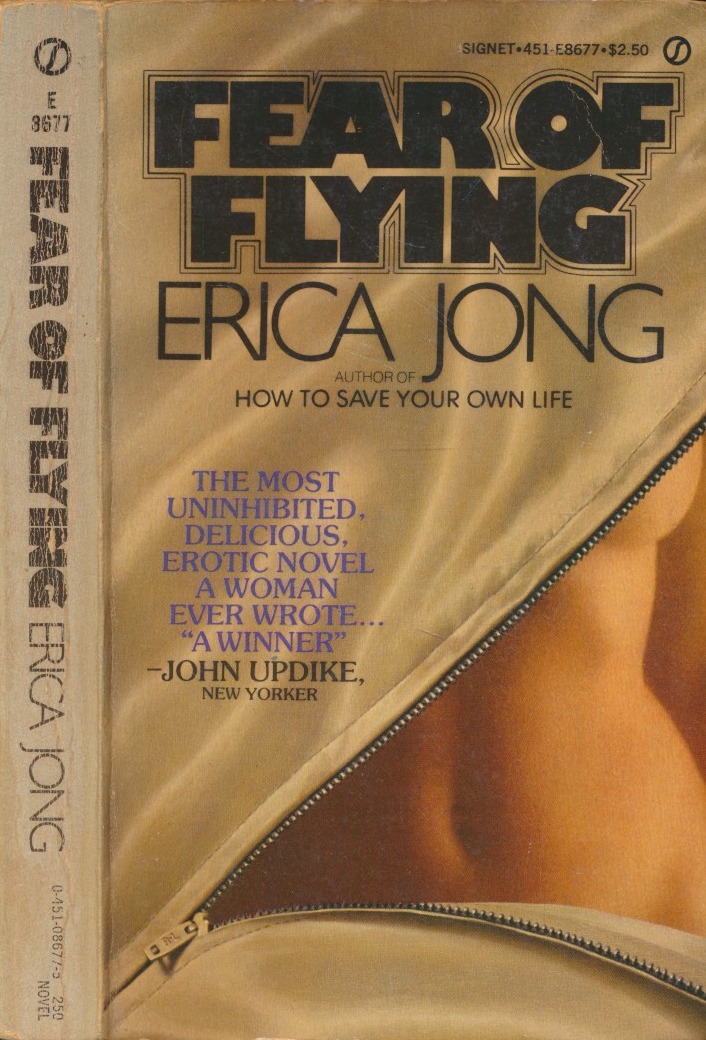
A landmark novel of the 1970s, this candid and controversial story follows Isadora Wing, a young poet who travels to Europe with her psychoanalyst husband and finds herself confronting the confines of marriage, desire, and identity. Restless and sharply self-aware, Isadora reflects on her fantasies, ambitions, and fears—most famously her longing for a “zipless” encounter free of expectations or consequences. By turns comic, confessional, and provocative, the novel captures the spirit of second-wave feminism and the search for female autonomy in a changing world. Its frank exploration of sexuality and selfhood made it a cultural touchstone and continues to resonate with readers interested in feminist literature and the complexities of modern relationships.
A practical and encouraging guide to improving study habits, this book offers clear strategies for learning more efficiently and retaining information more effectively. Harry Maddox, an educator known for his work on study skills and student development, focuses on time management, concentration, note‑taking, memory techniques, exam preparation, and overcoming common obstacles such as procrastination and anxiety. Written in an accessible, straightforward style, it blends practical advice with insights into how people learn. Though first published decades ago, its core principles remain relevant for high school students, college learners, and adult returnees alike. Readers seeking structured, commonsense methods to become more organized, confident, and successful in their studies will find it a useful and motivating resource.
Set in Tsarist Russia, this powerful novel follows Yakov Bok, a poor Jewish handyman who leaves his shtetl seeking a better life, only to be falsely accused of ritual murder in a climate of virulent antisemitism. Imprisoned for years without trial, Yakov endures brutal physical and psychological hardship while struggling to hold on to his dignity and sense of self. Inspired by the real-life Beilis case, the story explores injustice, faith, identity, and moral resilience under oppression. Written by a major figure in twentieth-century American literature and winner of both the Pulitzer Prize and the National Book Award, this is a stark, moving meditation on suffering and the endurance of the human spirit.
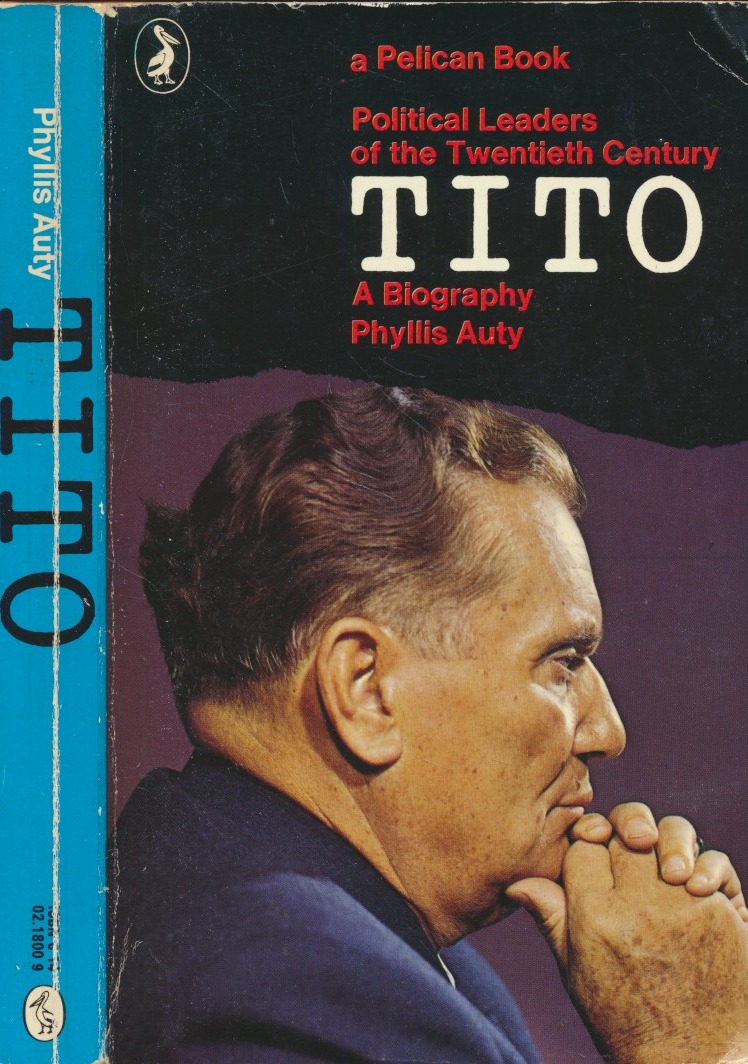
A detailed and balanced biography of Josip Broz Tito, the Yugoslav leader who rose from revolutionary agitator to one of the most influential political figures of the twentieth century. Phyllis Auty, a respected historian of Eastern Europe, traces Tito’s early life, his leadership of the Partisans during the Second World War, and his postwar role in shaping socialist Yugoslavia. The book examines his break with Stalin, his distinctive brand of non-aligned communism, and his complex position between East and West during the Cold War. Clear and well-researched, this study offers insight into both the man and the turbulent European history he helped to shape, making it valuable for readers interested in modern history, political leadership, and Balkan affairs.
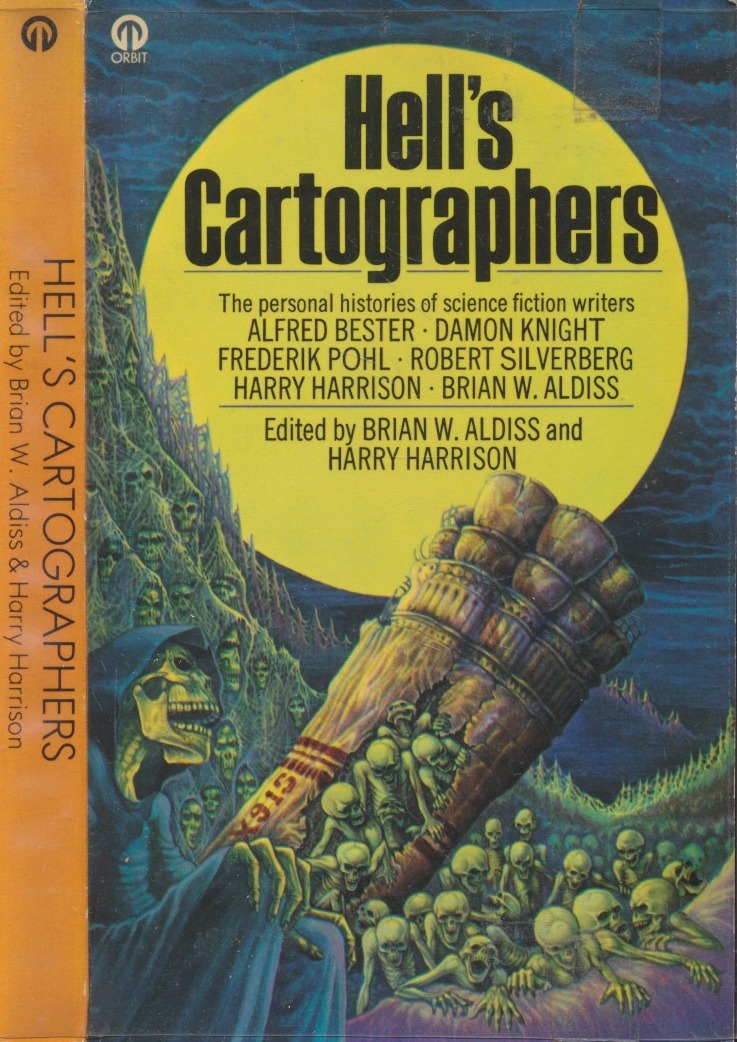
A revealing collection of autobiographical essays by several prominent science fiction writers, this volume offers a candid look at how careers in the genre were shaped during its most dynamic decades. Edited by a leading British science fiction novelist and critic associated with the New Wave, the book gathers personal accounts of early influences, professional struggles, editorial battles, and the evolving marketplace for speculative fiction. Part memoir, part cultural history, these pieces trace the development of modern science fiction from pulp roots to greater literary ambition. The contributors reflect on craft, imagination, and the challenges of writing about the future in rapidly changing times. For readers interested in the history of the genre, the realities of a writer’s life, or the creative processes behind classic science fiction, this volume provides thoughtful, often witty insight straight from those who helped map its terrain.
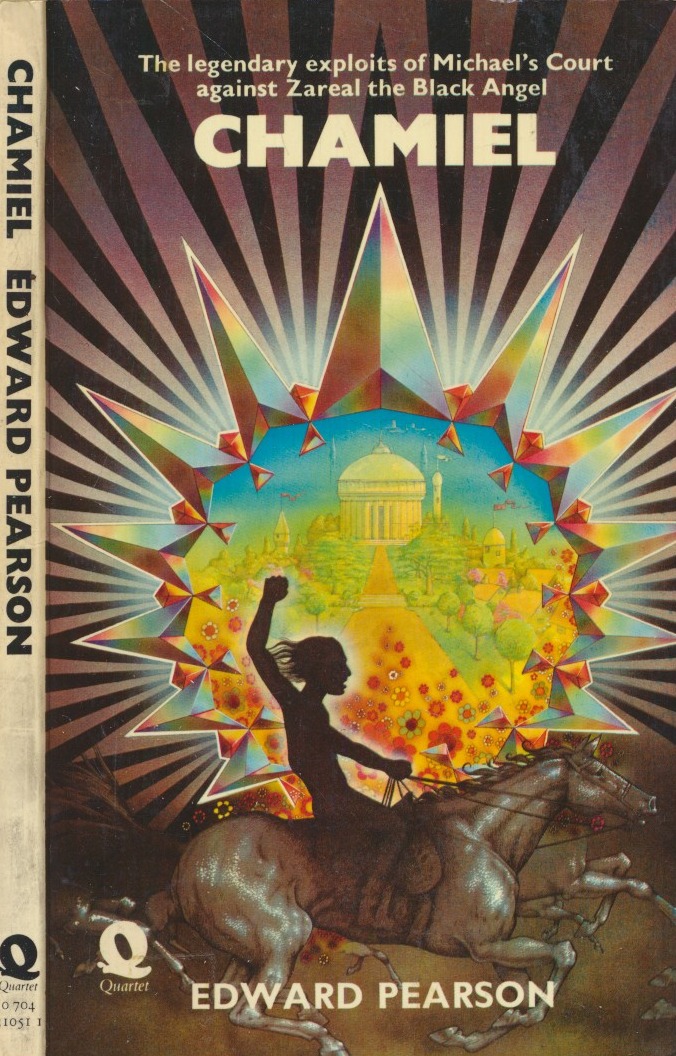
The sweeping saga of the Revolt of the Gods, in which Zareal the Black Angel and his hosts of Evil defy the eternal edict, invoking the wrath of the Lord and the forces of Michael the Vanquisher. And in which Chamiel, messenger between unearthly kingdoms, undertakes a bold and perilous exploit on behalf of his Lord.
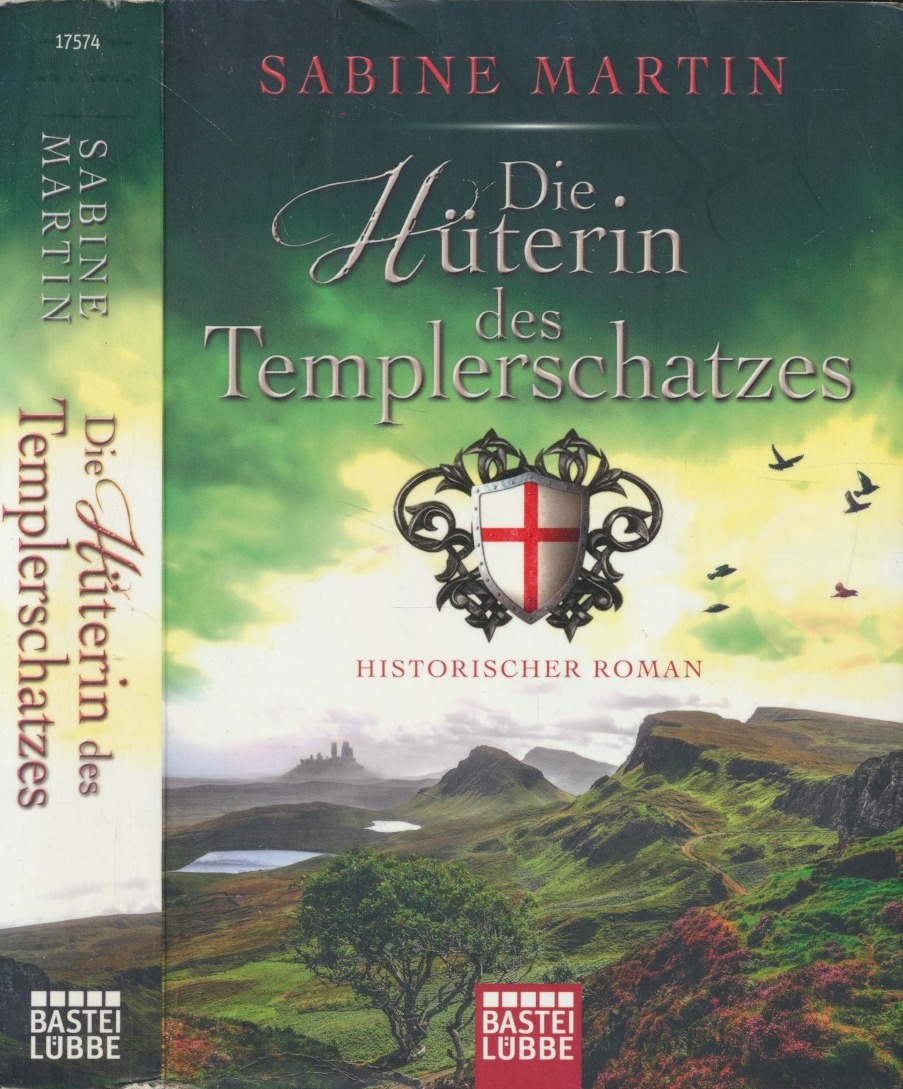
Ein historischer Roman vor mittelalterlicher Kulisse, der Legende und Wirklichkeit um den geheimnisvollen Templerschatz miteinander verknüpft. Im Zentrum steht eine starke Frauenfigur, die in ein Netz aus Machtinteressen, religiösen Spannungen und verborgenen Wahrheiten gerät. Während politische Umbrüche und kirchliche Intrigen den Hintergrund bilden, entfaltet sich eine Geschichte über Mut, Loyalität und die Suche nach Gerechtigkeit in einer von Männern dominierten Welt. Sabine Martin ist bekannt für sorgfältig recherchierte historische Stoffe und atmosphärisch dichte Erzählungen. Mit Gespür für historische Details und lebendige Figuren verbindet sie Spannung mit Einblicken in das Leben und Denken des Mittelalters. Ein fesselnder Roman für alle, die sich für Geschichte, starke Heldinnen und geheimnisumwobene Überlieferungen interessieren.
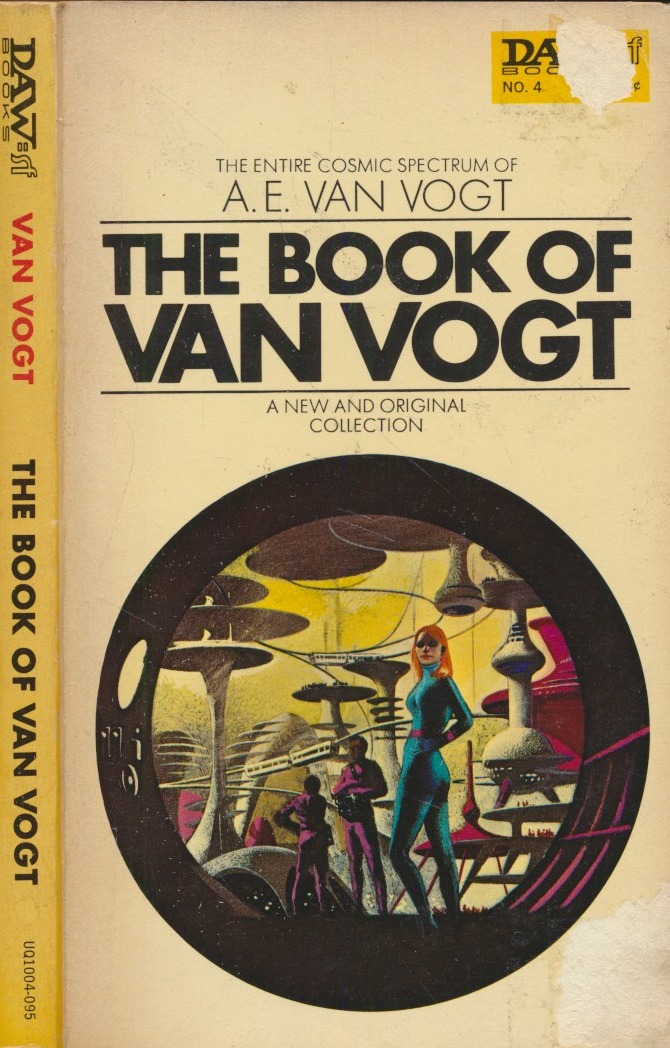
A compact introduction to one of the most distinctive voices of science fiction’s Golden Age, this volume gathers a selection of short fiction showcasing A. E. van Vogt’s signature blend of cosmic scope, psychological tension, and bold speculative ideas. Van Vogt, a contemporary of Asimov and Heinlein, was known for his labyrinthine plots and explorations of superhuman evolution, alien intelligence, and the limits of human perception. The stories here reflect his fascination with power, identity, and the hidden structures shaping reality. Ideal for readers interested in classic mid‑20th‑century science fiction, this collection offers a vivid glimpse into the imagination of a writer who helped define the genre’s early ambitions.
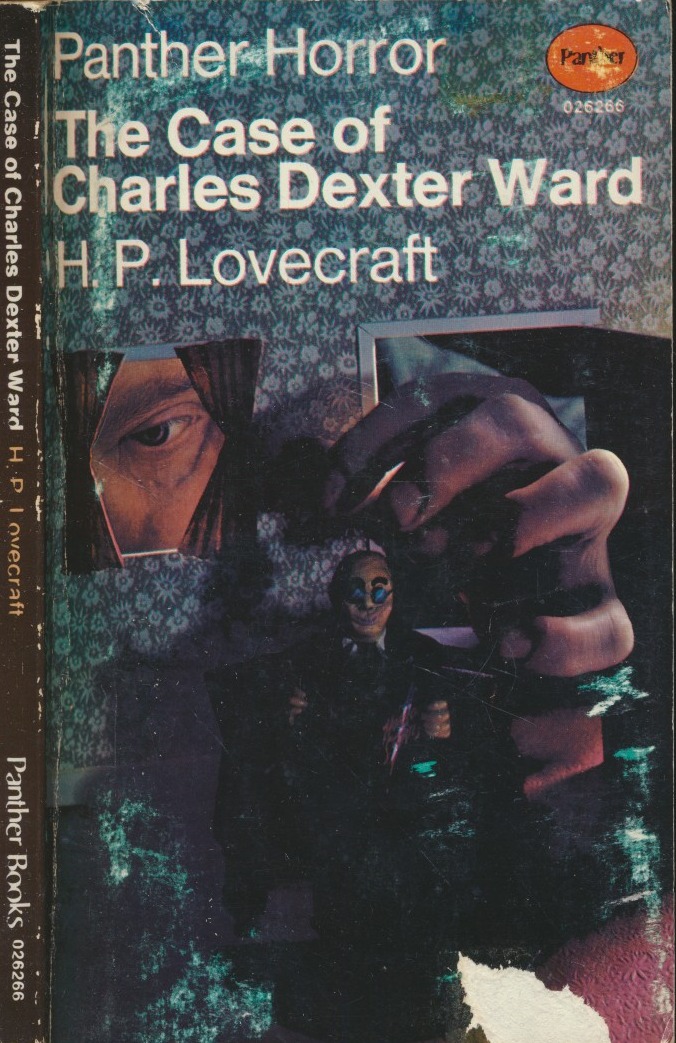
A short novel of mounting dread, this tale follows young antiquarian Charles Dexter Ward, whose fascination with his colonial ancestor Joseph Curwen leads him into dangerous historical research. As Ward delves deeper into old documents, graveyards, and occult lore, his behavior grows increasingly strange, alarming his family and physician. What unfolds is a chilling exploration of forbidden knowledge, identity, and the consequences of probing too deeply into the past. Written by H. P. Lovecraft, a central figure in twentieth-century weird fiction and cosmic horror, the story blends antiquarian detail with supernatural terror. It will appeal to readers who enjoy atmospheric horror, themes of madness and obsession, and the unsettling suggestion that some secrets are best left buried.
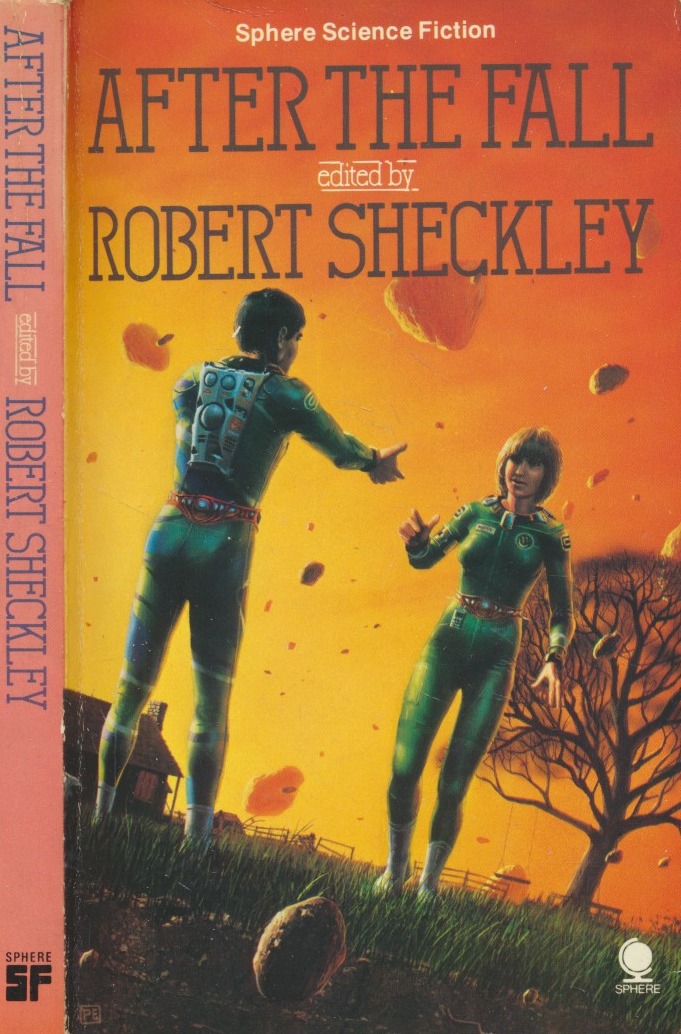
A sharp, darkly comic work of science fiction from one of the genre’s great satirists, this novel imagines life in a world reshaped by collapse. As society struggles to redefine itself, Sheckley follows his protagonist through a landscape where institutions, identities, and assumptions have all been upended. The story blends speculative ideas with biting humor, exploring themes of survival, adaptation, and the absurdities of modern life carried to their logical extremes. Known for his wit and ironic twists, Sheckley brings both intelligence and playfulness to a tale that will appeal to readers who enjoy thoughtful, offbeat science fiction with a philosophical edge.
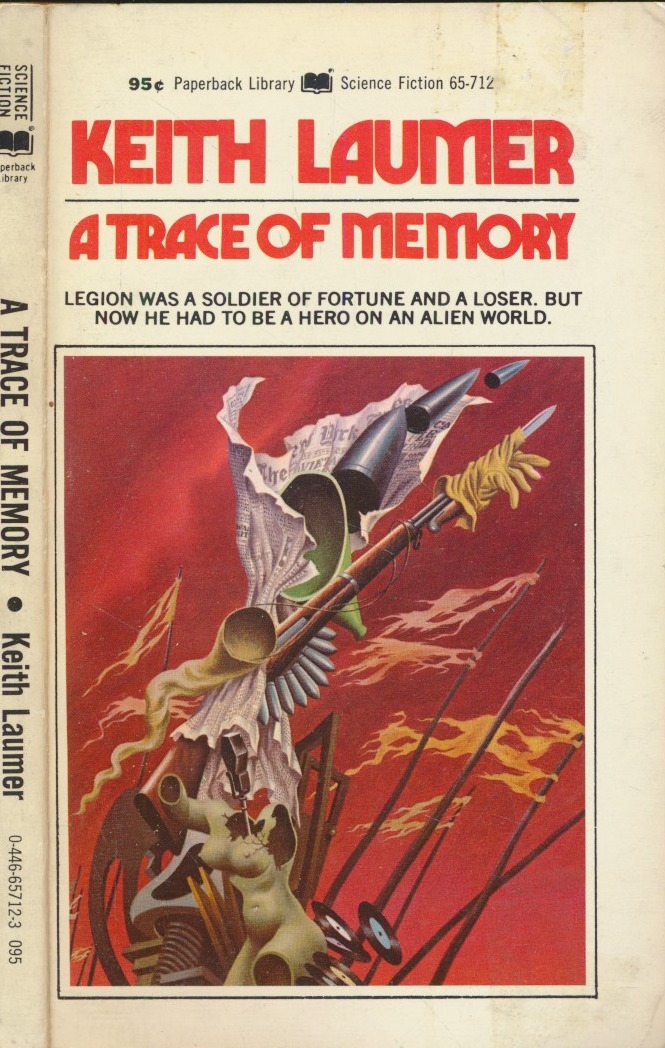
A fast-paced science fiction adventure from the author best known for the Bolo and Retief stories, this novel begins with a man who wakes with no memory of who he is—only the unshakable conviction that he does not belong on Earth. As fragments of knowledge and strange abilities surface, he becomes convinced that his true identity lies on a distant world. What follows is a blend of mystery, interstellar adventure, and questions about identity and belonging. Laumer combines brisk storytelling with imaginative world-building, making this an engaging read for fans of classic mid‑20th‑century science fiction that explores memory, selfhood, and the pull of another home among the stars.
Vladimir Nazor: Čitajući Kranjčevića Antun Barac: Putopisi Adolfa Vebera Stjepan Musulin: Poljaci u Gundulićevom Osmanu