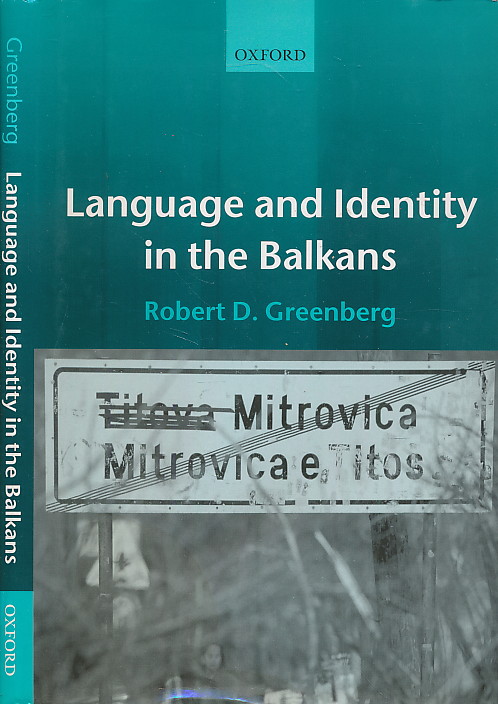
Against a backdrop of the ethnic strife in the Balkans and the collapse of Yugoslavia in 1991, Robert Greenberg describes how the languages of Croatia, Bosnia, Kosovo, Serbia, and Montenegro came into being and shows how their genesis reflects ethnic, religious, and political identity. His first-hand observations before and after Communism offer insights into the nature of language change and the relation between language and identity.
Slavische Volkforschungen. Abhandlungen über Glauben, Gewohnheitrechte, Sitten, Bräuche und die Guslarenlieder der Südslaven. Vorwiegend auf Grund eigener Erhebungen.
Prepisao i pripremio Josip Lučić.
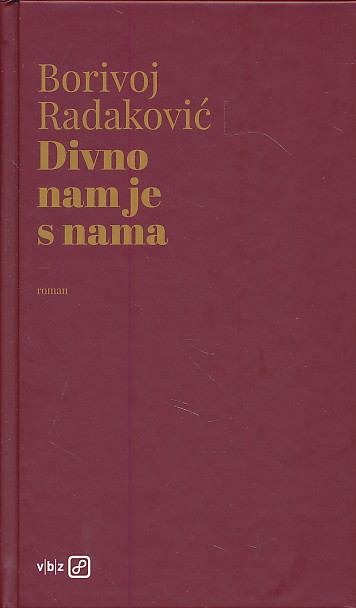
U novom romanu Borivoja Radakovića dvije junakinje, Vanja i Mirna, zbog nasilja u obitelji, na ulici, na radnom mjestu i u društvu uopće, odlučuju potpuno promijeniti vlastiti život. S radošću i ljubavlju otiskuju se u nepoznato i otkrivaju ljepotu dana i noći, ulice i nadasve vlastitu ljepotu. U nježnoj ljubavnoj priči prepunoj ushita i zanosa žele živjeti u svom zajedništvu; planiraju putovanja i budućnost u kojoj će ostvariti svoje maštarije i steći sigurnost. Pitanje je samo koliko smo u stanju svjesno mijenjati vlastiti život i utjecati na njega. Vanja i Mirna su razdragane i luckaste, borbene i pametne, a sudbina njihova kratkotrajnog zajedništva vodi od smijeha do suza i natrag, i zadržava pravo da bude samo njihova.
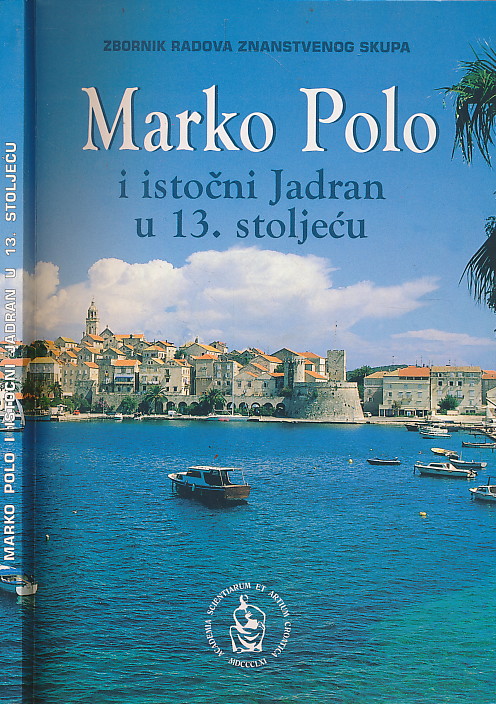
Zbornik radova znanstvenog skupa, Korčula, 4.-7. listopada 1995.
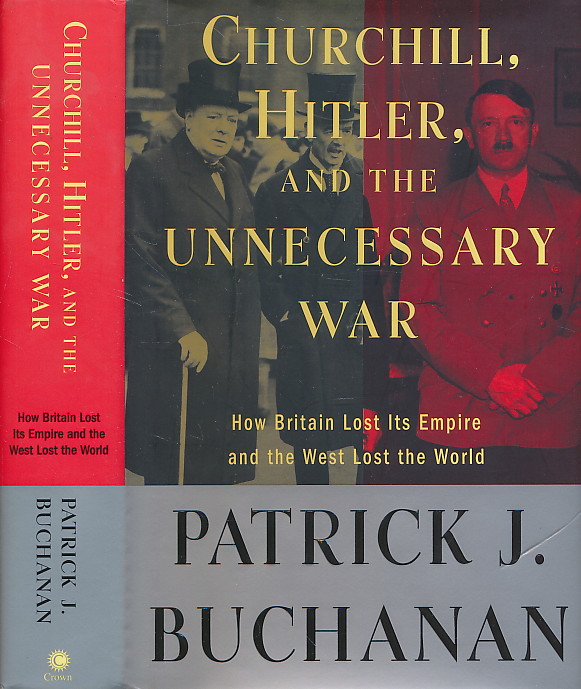
Were World Wars I and II inevitable? Were they necessary wars? Or were they products of calamitous failures of judgment? In this monumental and provocative history, Patrick Buchanan makes the case that, if not for the blunders of British statesmen– Winston Churchill first among them–the horrors of two world wars and the Holocaust might have been avoided and the British Empire might never have collapsed into ruins. Half a century of murderous oppression of scores of millions under the iron boot of Communist tyranny might never have happened, and Europe’s central role in world affairs might have been sustained for many generations. Among the British and Churchillian errors were: • The secret decision of a tiny cabal in the inner Cabinet in 1906 to take Britain straight to war against Germany, should she invade France • The vengeful Treaty of Versailles that mutilated Germany, leaving her bitter, betrayed, and receptive to the appeal of Adolf Hitler • Britain’s capitulation, at Churchill’s urging, to American pressure to sever the Anglo-Japanese alliance, insulting and isolating Japan, pushing her onto the path of militarism and conquest • The greatest mistake in British history: the unsolicited war guarantee to Poland of March 1939, ensuring the Second World War Certain to create controversy and spirited argument, Churchill, Hitler, and “the Unnecessary War” is a grand and bold insight into the historic failures of judgment that ended centuries of European rule and guaranteed a future no one who lived in that vanished world could ever have envisioned.
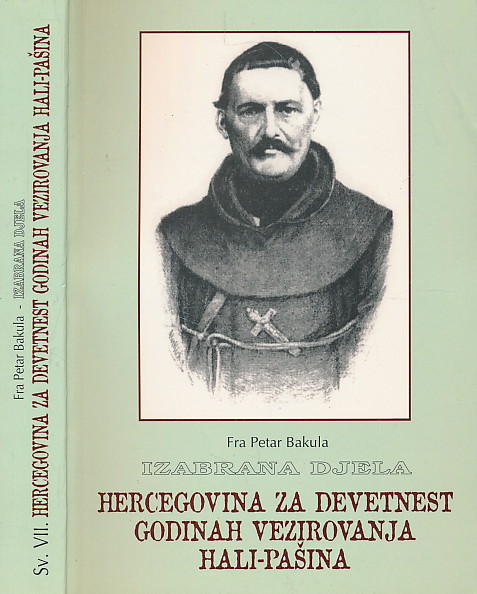
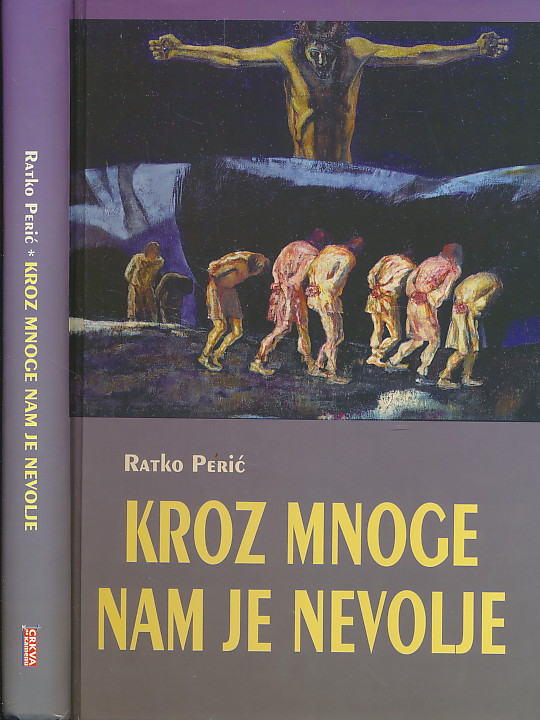
Izabrana djela sv. VII. Priredio dr. fra Andrija Nikić. Spjevao jedan Hercegovac. Troškom Hervačanina – Tiskom Jermenskoga manastira 1863.
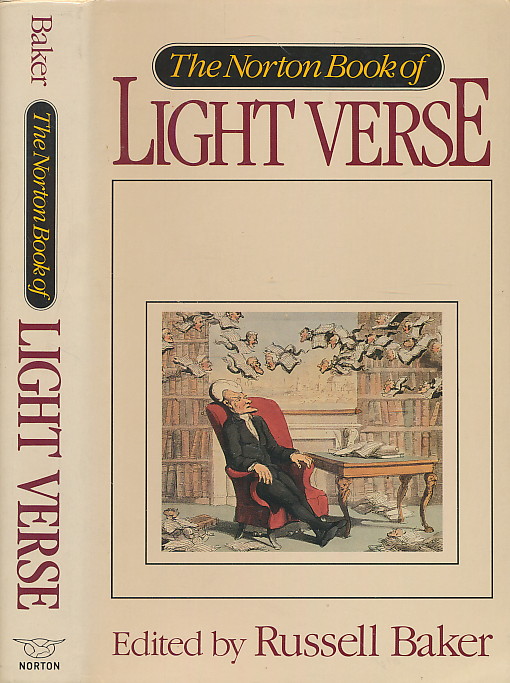
by Russell Baker (Editor) A collection of entertaining limericks, ballads, lyrics, double dactyls, and more conventional poems by such masters as Ogden Nash, Phyllis McGinley, Anthony Hecht, E.B. White, Edward Lear and John Updike. A collection of 400 poems arranged in eighteen thematic sections.
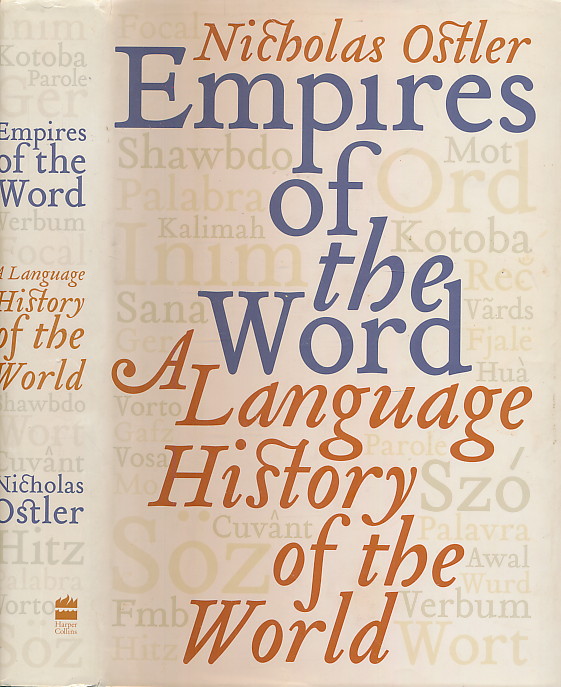
Nicholas Ostler’s Empires of the Word is the first history of the world’s great tongues, gloriously celebrating the wonder of words that binds communities together and makes possible both the living of a common history and the telling of it. From the uncanny resilience of Chinese through twenty centuries of invasions to the engaging self-regard of Greek and to the struggles that gave birth to the languages of modern Europe, these epic achievements and more are brilliantly explored, as are the fascinating failures of once universal languages. A splendid, authoritative, and remarkable work, it demonstrates how the language history of the world eloquently reveals the real character of our planet’s diverse peoples and prepares us for a linguistic future full of surprises.
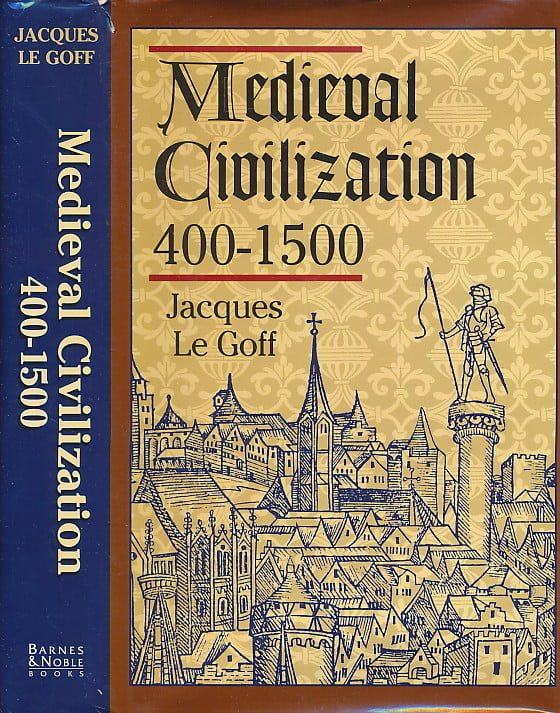
In this engrossing study of an 1,100 year period that transformed ancient Europe, celebrated medievalist Jacques Le Goff explores the startling contradictions that helped to forge a durable civilization. It was a period of violence and bloodshed, in which plague and harsh natural conditions conspired against progress. It was also a period of nation-building and considerable achievements in the arts, sciences, and technology. Thirty-two pages of photo illustrations and eighteen maps give visual depth to the author’s flawless scholarship and persuasive writing style, making Medieval Civilization an immensely vivid account of the triumph of Western man – a testament to his tenacity, imagination and faith.
In the opinion of the publishers, act one is the warmest, most engrossing—and by far the most revealing—book about the theatre that they have ever encountered. It is, of course, a success story, for Moss Hart today is one of the most brilliant, successful and famous figures in the American theatre, both as a playwright and as a director. How did it happen? Not easily. His boyhood and adolescent years were spent in two entirely different backgrounds, and the stories of both are fascinating. With the opening of his first Broadway play, Once in a Lifetime, his world changed abruptly. This book concludes with a detailed telling of the complicated steps whereby that play came into being. “I consider the memories and pledges that were part of the struggle that preceded success the vital ones,” the author says. He has set these memories down with unusual candor, humor and excitement; and the book is an intimate and informative portrait, not only of him self but of the world of the theatre as well.
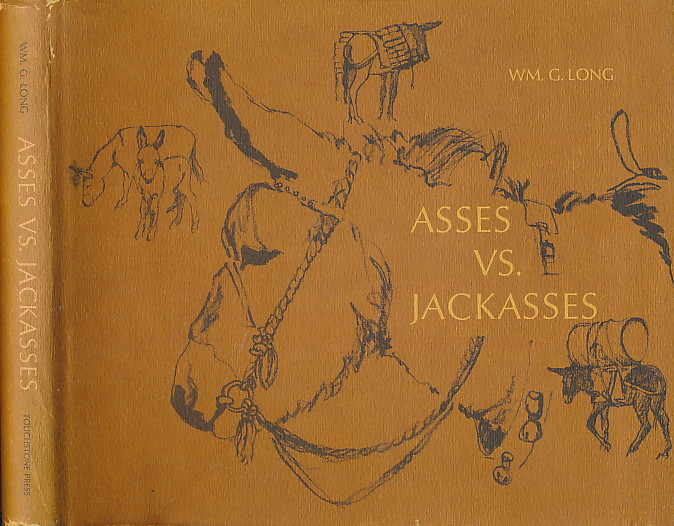
‘May the spirit of the lowly burro enrich your life with simple kindness’. Wm. G. Long (Supreme Court Judge, Retired). Judge Long wrote his book as a ‘labor of love’– motivated in part by his life-time experiences with human jackasses in divorce and juvenile court cases. Upon retirement, the judge and his wife travelled over the historical donkey trails in Western U.S. and while travelling they researched national libraries to learn about the 6,000 years of service given to humanity by burros, donkeys and jackasses.
Sedam radova uvezano u svezak: 1. Attilio Craglietto, AttilioCenni sugli elementi italiani della parlata dei Croati della Istria, Parenzo 1927., 27 str. 2. Mieczyslaw Malecki, O podzial gwar Krku (z mapa), 563-581 str. 3. Rad JAZU knjiga CXXI. Filologičko-historički i filosofičko-juridički razredi XLII, Zagreb 1895., 236 str. 4. Dr. Mate Tentor, O dubrovačkom jeziku s leksičke strane, Štamparija Jadran, Dubrovnik 1931., 1-7 str. 5. Arturo Cronja, Elementi latino-italiani nel lessico di un dialetto čakavo, Estratto da L Italia Dialettale, Vol. VI – 1930. Tip. F. Simoncini, 1930., 95-124 str. 6. Antonio Colombis, Gravosa e Gruž (Noterella toponomastica), Estrato dalla miscellanea in onore di Milano de Rešetar. (Preštampano iz Rešetarovog zbornika) Štamparija Jadran, Dubrovnik 1931. 1-2 str. 7. Antonio Colombis, Elementi veglioti nell’isola di Cherso-Ossero, Leo S. Olschki, Editore, Firenze 1937., 243-267
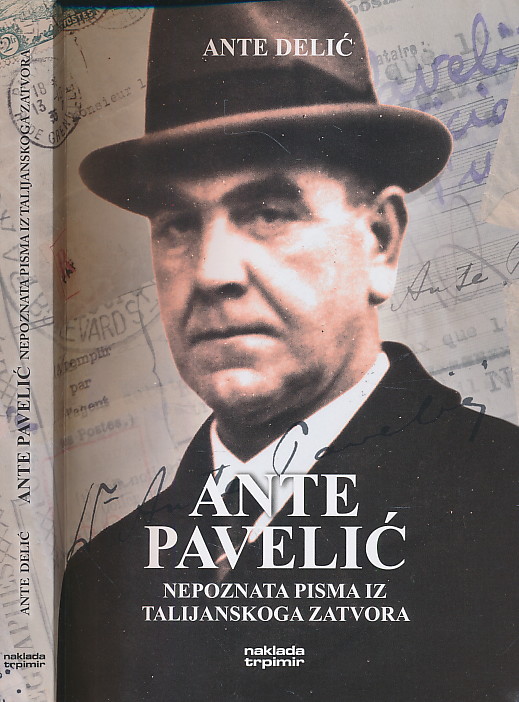
Korespondencija Ante Pavelića i Georgesa Desbonsa. Priredio Ante Delić.
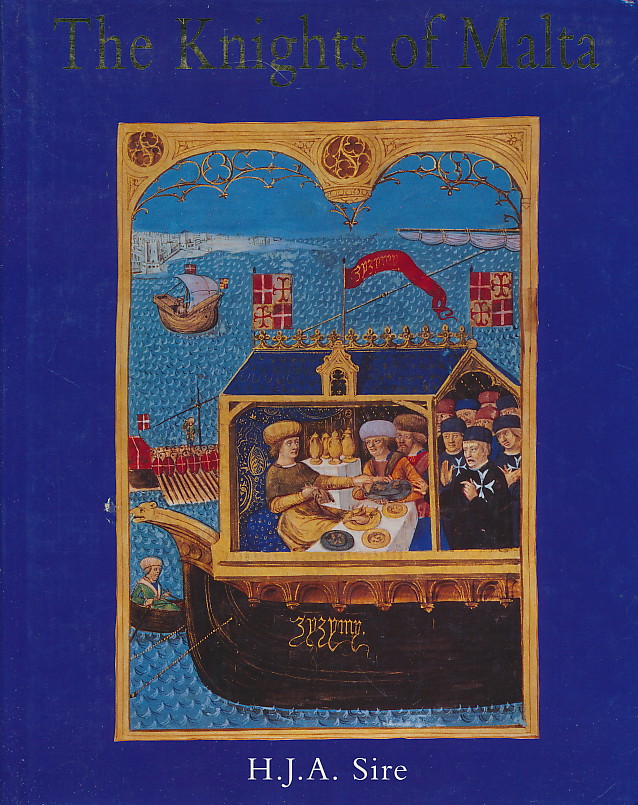
A handsomely produced and illustrated history of an influential and mysterious 900-year-old order of Catholic knights, examining the order’s formative years, its military significance during its reigns on Rhodes and Malta, its artistic and architectural legacy, and its branches in nations throughout Europe. The final section addresses more recent events in the order’s history, from 100 years ago when the order had dwindled to only 1,000 knights drawn from the innermost circle of the European aristocracy, to the present number of 10,000 knights and exchange of ambassadors with some 60 governments. Annotation copyright Book News, Inc. Portland, Or.