Oznaka:
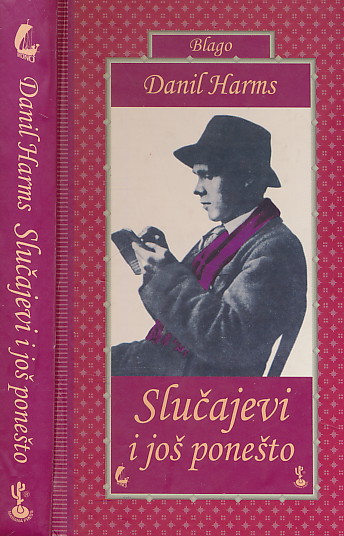
Slučajevi i još ponešto
Izabrao i priredio Dušan Patić. Danil Harms (19051942) bio je satiričar ranog sovjetskog perioda, koji je takođe koristio i nadrealistični i apsurdni stil. Rođen je kao Danil Ivanovič Juvačov, a pseudonim Harms je smislio u srednjoj školi. Takođe je koristio i pseudonime Horms, Čarms, Šardam itd. Njegove priče su uglavnom kratke vinjete, obično dugačke samo par paragrafa, u kojima se scene siromaštva i bede smenjuju s fantastičnim događajima i sa širokom komedijom. Ponekad se u pričama pojave poznati pisci. Harmsove priče su nepredvidive i neuređene; likovi često ponavljaju istu stvar zaredom i na druge načine ponašaju se iracionalno. Linearna priča počne da se razvija, ali se lako prekine neobjašnjivom katastrofom koja priču povede u drugom pravcu. Harms nije bio popularan za života i većinu stvari je izdao kao samizdat. Bio je osuđen za antisovjetsko delovanje i poslan na godinu dana u zatvor u Kursku. Tokom opsade Lenjingrada 1941. godine, Harms je po drugi put uhapšen, ovaj put za defetizam. Umro je od gladi u zatvoru 1942. godine.
Collected Short Stories, volume 3
The Ashenden Stories: The Hairless Mexican Mr Harrington’s Washing Sanatorium and Others
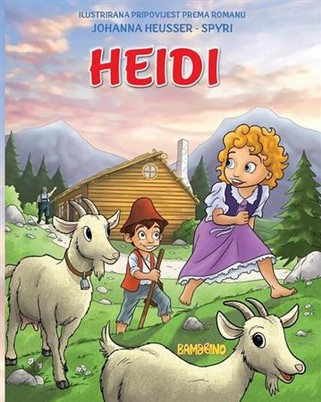
Heidi
Ilustrirana pripovijest prema romanu Johanna Heusser – Spyri
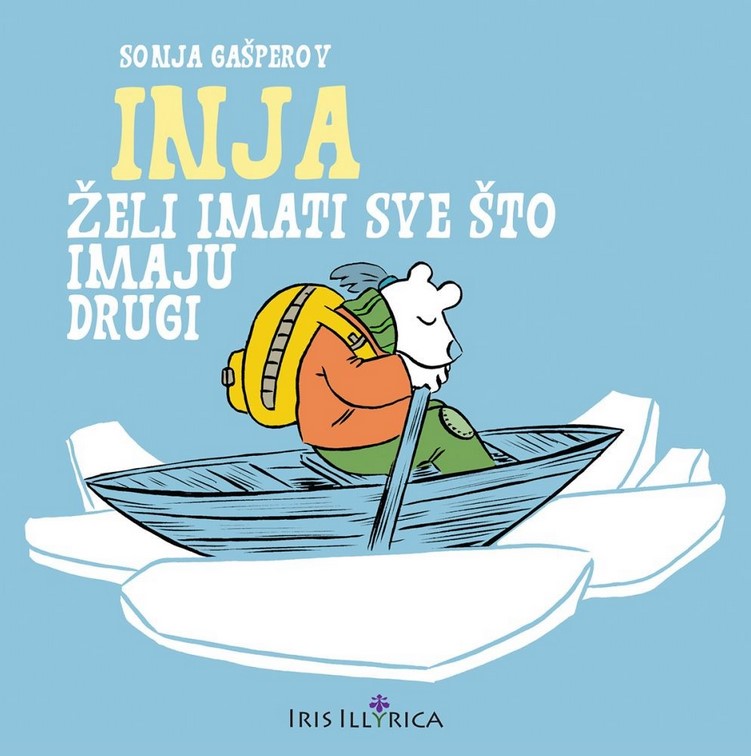
Inja želi imati sve što imaju drugi
Inja želi imati sve što imaju drugi prva je dječja slikovnica naše ugledne strip-autorice Sonje Gašperov. Glavni lik je polarna medvjedica Inja koja želi otići sa Sjevernog pola kako bi iskusila život drugih: želi vidjeti polja i planine, jesti med i kruške kao ostali medvjedi, putovati na popularna mjesta, biti slavna i bogata. Ali kako to u životu često biva, stvari se dogode suprotno od očekivanoga. Sonja Gašperov je ovoj temi često obrađenoj u književnosti podarila novo ruho majstorskim i razigranim crtežom te zabavnim i maštovitim stihovima.
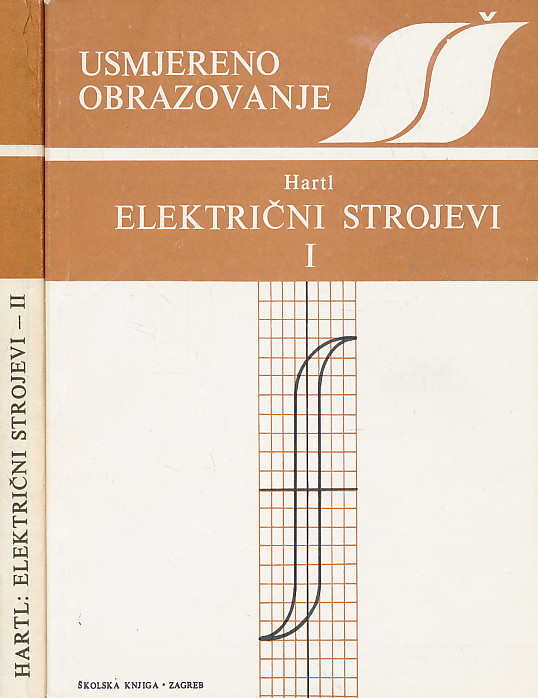
Električni strojevi 1-2
Transformatori Električni strojevi s elektromehaničkim pretvaranjem Asinhroni strojevi Sinhroni strojevi Kolektorski strojevi Ispravljači
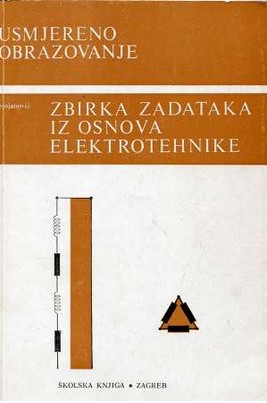
Zbirka zadataka iz osnova elektrotehnike
Istosmjerna struja Izmjenična struja Električni strojevi
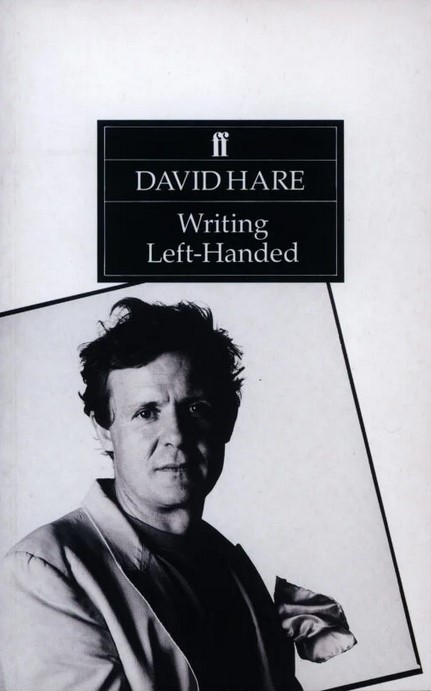
Writing Left-Handed
The leading British writer-director of his generation, David Hare is also one of the most productive. The last two years have seen the outstanding success of two stage plays, The Secret Rapture and Racing Demon, and the release of two films, Paris by Night and Strapless. The pieces collected here, written left-handed, form both a concealed professional autobiography and a lucid commentary on his work.

The Hidden Girl and Other Stories
From stories about time-traveling assassins, to Black Mirror-esque tales of cryptocurrency and internet trolling, to heartbreaking narratives of parent-child relationships, The Hidden Girl and Other Stories is a far-reaching work that explores topical themes from the present and a visionary look at humanity’s future. This collection includes a selection of Liu’s speculative fiction stories over the past five years—seventeen of his best—plus a new novelette. In addition, it also features an excerpt from The Veiled Throne, the third book in Liu’s epic fantasy series The Dandelion Dynasty. Stories include: Ghost Days; Maxwell’s Demon; The Reborn; Thoughts and Prayers; Byzantine Empathy; The Gods Will Not Be Chained; Staying Behind; Real Artists; The Gods Will Not Be Slain; Altogether Elsewhere, Vast Herds of Reindeer; The Gods Have Not Died in Vain; Memories of My Mother; Dispatches from the Cradle: The Hermit—Forty-Eight Hours in the Sea of Massachusetts; Grey Rabbit, Crimson Mare, Coal Leopard; A Chase Beyond the Storms (an excerpt from The Veiled Throne, Book 3 of the Dandelion Dynasty); The Hidden Girl; Seven Birthdays; The Message; Cutting
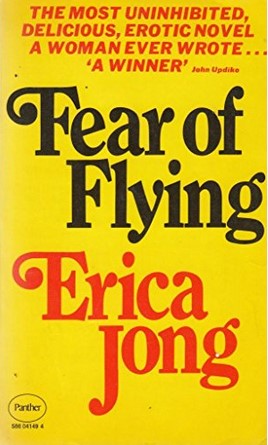
Fear of Flying
Fear of Flying is a 1973 novel by Erica Jong. It became controversial for its portrayal of female sexuality, and figured in the development of second-wave feminism. The novel is written in the first person, narrated by its protagonist, Isadora Zelda White Stollerman Wing, a 29-year-old poet who has published two books of poetry. On a trip to Vienna with her second husband, Isadora decides to indulge her sexual fantasies with another man. The novel’s tone may be considered conversational or informal. The story’s American narrator is struggling to find her place in the world of academia, feminist scholarship, and in the literary world as a whole. The narrator is a female author of erotic poetry, which she publishes without fully realizing how much attention she will attract from both critics and writers of alarming fan letters. The book resonated with women who felt stuck in unfulfilling marriages, and it has sold more than 20 million copies worldwide.
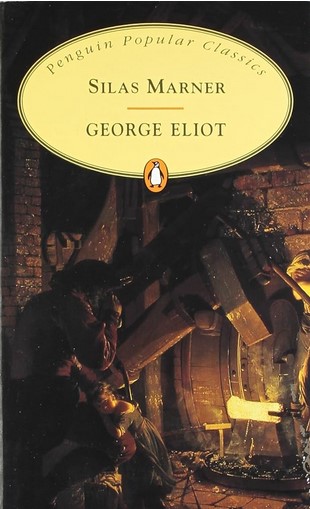
Silas Marner
Silas Marner: The Weaver of Raveloe is the third novel by English author George Eliot. It was published in 1861. An outwardly simple tale of a linen weaver, the novel is notable for its strong realism and its sophisticated treatment of a variety of issues ranging from religion to industrialisation to community.
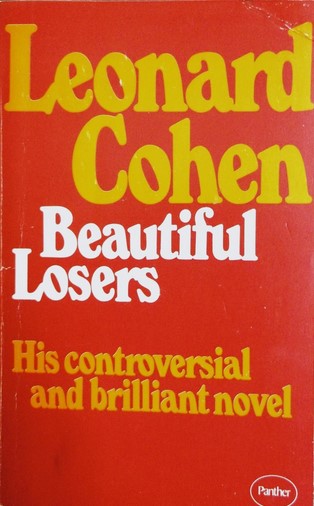
Beautiful Losers
Beautiful Losers is the second and final novel by Canadian writer and musician Leonard Cohen. It was published in 1966, before he began his career as a singer-songwriter. Set in the Canadian province of Quebec, the story of 17th-century Mohawk saint Catherine Tekakwitha is interwoven with a love triangle between an unnamed anglophone Canadian folklorist; his Native wife, Edith, who has committed suicide; and his best friend, the mystical F, a Member of Parliament and a leader in the Quebec separatist movement. The complex novel makes use of a vast range of literary techniques, and a wealth of allusion, imagery, and symbolism. It is filled with the mysticism, radicalism, sexuality, and drug-taking emblematic of the 1960s era, and is noted for its linguistic, technical, and sexual excesses. Cohen wrote the novel over two eight-month sessions while living on the Greek island of Hydra in 1964 and 1965. He fasted and consumed amphetamines to focus his creativity on the novel. Despite a lavish rollout, sales were disappointing, and critics were initially unsympathetic or hostile. The book gained critical and commercial attention only after Cohen had given up novel-writing and turned to the songwriting and performing upon which his fame rests. Beautiful Losers has come to be seen as having introduced postmodernism into Canadian literature. It has become a steady seller, and is considered a part of the Canadian literary canon.
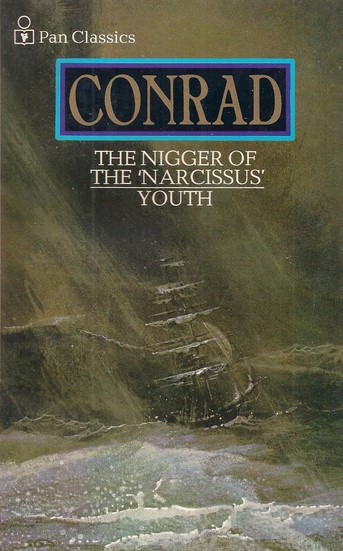
The Nigger of the Narcissus and Youth
The Nigger of the Narcissus: A Tale of the Forecastle[a] (sometimes subtitled A Tale of the Sea), first published in the United States as The Children of the Sea, is an 1897 novella by Polish-British novelist Joseph Conrad. The central character is an Afro-Caribbean man who is ill at sea while aboard the trading ship Narcissus heading towards London. Due to the offensiveness of the word nigger in the title, it was renamed The Children of the Sea: A Tale of the Forecastle for the 1897 US edition. Because of the novella’s superb quality compared to Conrad’s earlier works, some critics have described it as marking the start of Conrad’s major or middle period; others have placed it as the best work of his early period.
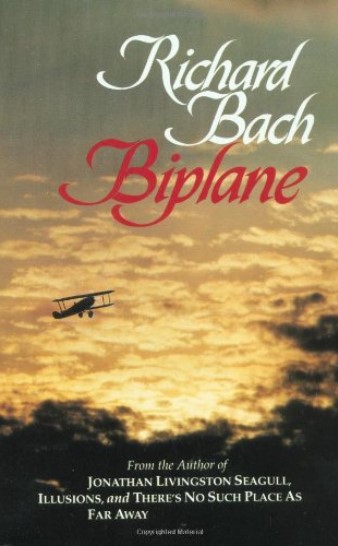
Biplane
To discover that time is not a straight line aimed toward infinity, Richard Bach undertook a magnificent journey. Biplane is the story of that solo flight into the American skies — a flight that became a personal quest to discover everything that lies beyond the ordinary.
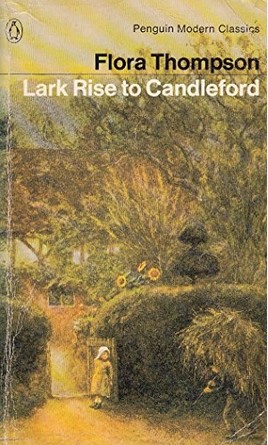
Lark Rise to Candleford
Lark Rise to Candleford is a trilogy of semi-autobiographical novels by Flora Thompson about the countryside of north-east Oxfordshire and Buckinghamshire, England, at the end of the 19th century. The stories were previously published separately as Lark Rise in 1939, Over to Candleford in 1941 and Candleford Green in 1943. They were first published together in 1945. The stories relate to three communities: the hamlet of Juniper Hill (Lark Rise), where Flora grew up; Buckingham (Candleford), one of the nearest towns (which include both Brackley and Bicester) and the nearby village of Fringford (Candleford Green),[2] where Flora got her first job in the Post Office.
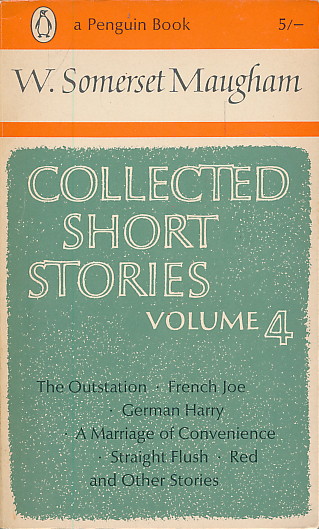
Collected Short Stories, volume 4
The Outstation French Joe German Harry A Marriage of Convenience Straight Flush Red and Other Stories
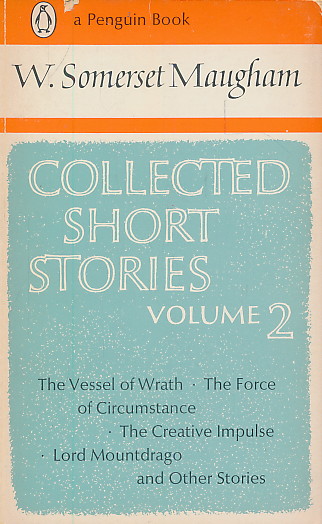
Collected Short Stories, volume 2
The Vessel of Wrath The Force of Circumstance The Creative Impulse Lord Mountdrago and Other Stories
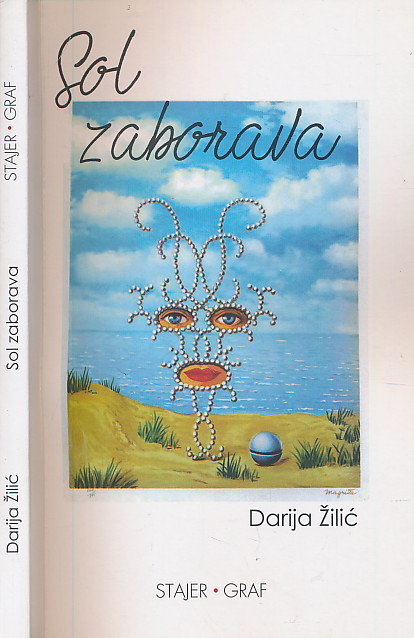
Sol zaborava
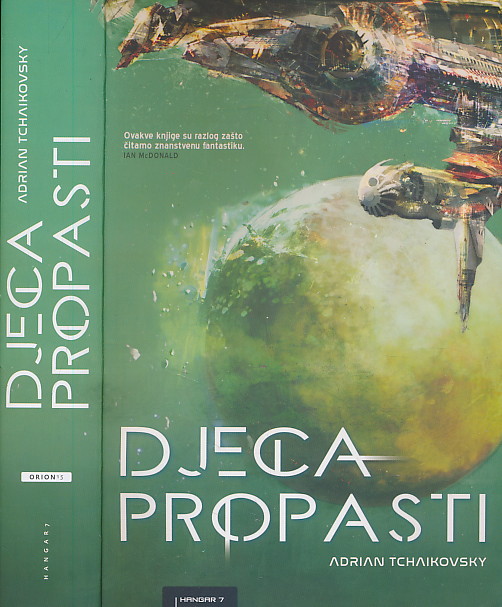
Djeca propasti
Djeca propasti slijede iza romana Djeca vremena. Smješten je u isti svemir s novim likovima i uzbudljivim narativom. Čekalo je stoljećima, a sada je došlo vrijeme za pustolovinu…Prije nebrojenih tisuća godina program teraformiranja krenuo je put zvijezda. Na svijetu nazvanom Nod znanstvenici su otkrili vanzemaljski život – no njihov je zadatak bio da svijet izbrišu i ispune ga sjećanjem na Zemlju. No tada je veliko ljudsko carstvo propalo, a odluke izgubljene u vremenu. Eonima kasnije, čovječanstvo i njihovi paukoliki saveznici otkrili su fragmentarne radio signale koji su stizali sa zvijezda. Odaslali su istraživački brod u nadi da se otkriju sunarodnjaci sa stare Zemlje. No, ti drevni teraformeri su na Nodu probudili nešto što nisu trebali. A ono ih je jedva dočekalo…
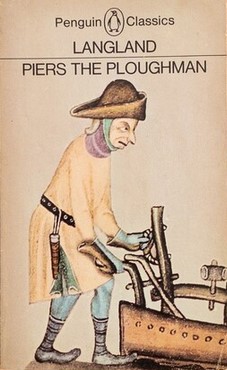
Piers The Ploughman
Piers Plowman (written c. 1370–86; possibly c. 1377) or Visio Willelmi de Petro Ploughman (William’s Vision of Piers Plowman) is a Middle English allegorical narrative poem by William Langland. It is written in un-rhymed, alliterative verse divided into sections called passus (Latin for step). Like the Pearl Poet’s Sir Gawain and the Green Knight, Piers Plowman is considered by many critics to be one of the greatest works of English literature of the Middle Ages, preceding and even influencing Chaucer’s Canterbury Tales. Piers Plowman contains the first known reference to a literary tradition of Robin Hood tales. There exist three distinct versions of the poem, which scholars refer to as the A-, B-, and C-texts. The B-text is the most widely edited and translated version; it revises and extends the A-text by over four thousand lines.
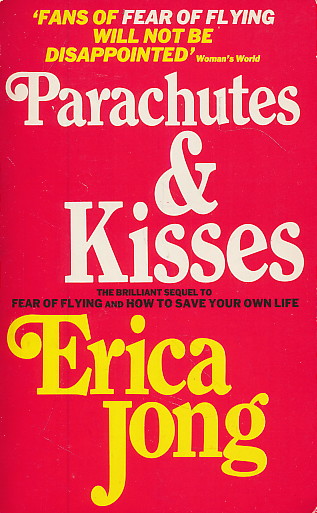
Parachutes and Kisses
Married (again) and divorced (again), Isadora Wing is a single parent with an adorable daughter, an irritating ex-husband, and a startling assortment of suitors: an unorthodox rabbi, a poetic disc jockey, the son of a famous sex therapist, and WASPily handsomest of all: Berkeley Sproul III. Isadora and Berkeley meet at a health club, and he’s fourteen years her junior. Of course their affair is tortuous and sexy, but is it love? Or does the stud just want a free trip to Venice, compliments of a famous author? Either way, Erica Jong wrote this romance with a mixture of eloquence and savage wit as good as anything she has ever written, said The Wall Street Journal.
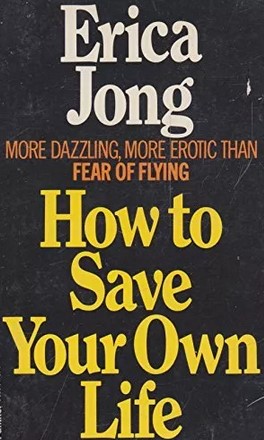
How to Save Your Own Life
Erica Jong–like Isadora Wing, her fictional doppelganger–was rich and famous, brainy and beautiful, and soaring high with erotica and marijuana in 1977, the year this book was first published. Erica/Isadora are the perfect literary and libidinous guides for those readers who want to learn about-or just be reminded of-the sheer hedonistic innocence of the time. How to Save Your Own Life was praised by People for being shameless, sex-saturated and a joy, and hailed by Anthony Burgess as one of the ninety-nine best novels published in English since 1939.
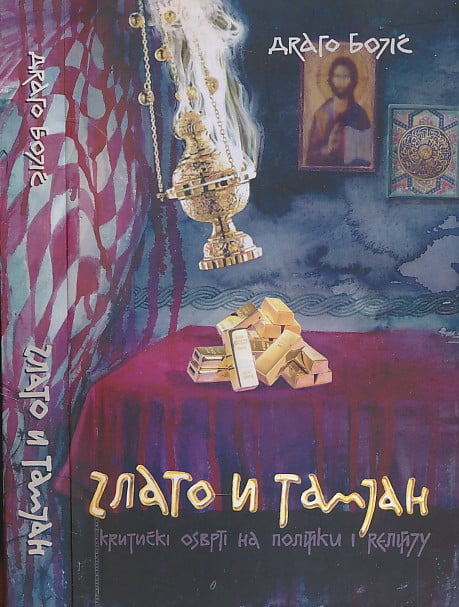
Zlato i tamjan
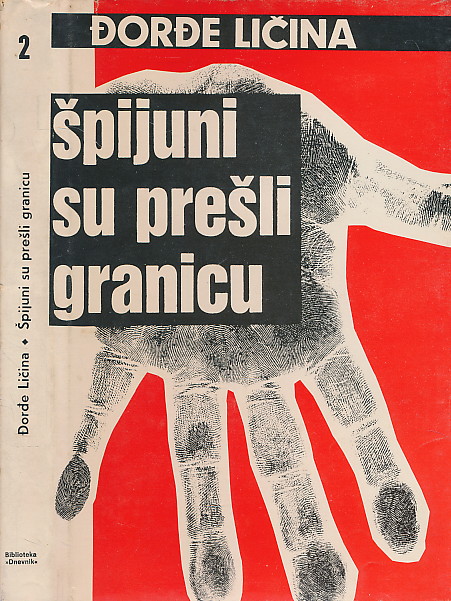
Špijuni su prešli granicu
Operacija Margarita, Šišra OC-101, Špijunska veza, Tajna misija. Dokumentaristička proza.