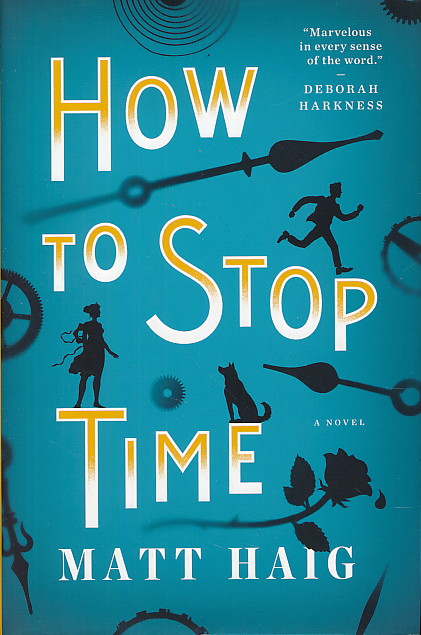
Tom Hazard has a dangerous secret. He may look like an ordinary 41-year-old history teacher, but he’s been alive for centuries. From Elizabethan England to Jazz-Age Paris, from New York to the South Seas, Tom has seen it all. As long as he keeps changing his identity he can keep one step ahead of his past – and stay alive. The only thing he must not do is fall in love . . .
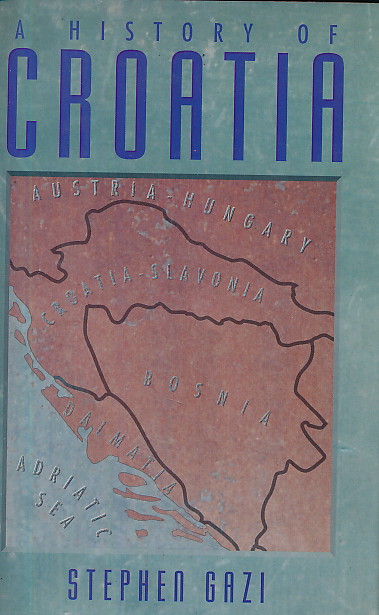
This survey traces Croatian history from early Roman times (as part of the 7th-century Roman province of Pannonia) to the end of WWII. Preface Introduction The Land The origins The rise & decline of medieval Croatia Croatia under the House of Arpad From Angevin Autocracy to Feudal Anarchy Medieval Bosnia The Republic of Dubrovnik The Habsburg Era The Era of Hope for Revival National awakening The Magyaro-Croatian conflict The Nagodba Bosnia under Turkish Rule The Annexation of Bosnia & Hercegovina Magyar Ascendancy & the new political formations The great dilemma of Croatian policy A time of crisis & violence War anxiety The dissolution of the Dual Monarchy Formation of the Kingdom of the Serbs, Croats & Slovenes The New State & the Croatian question The Royal dictatorship The policy of compromise Literature & arts Yesterday & today Chronological Outline
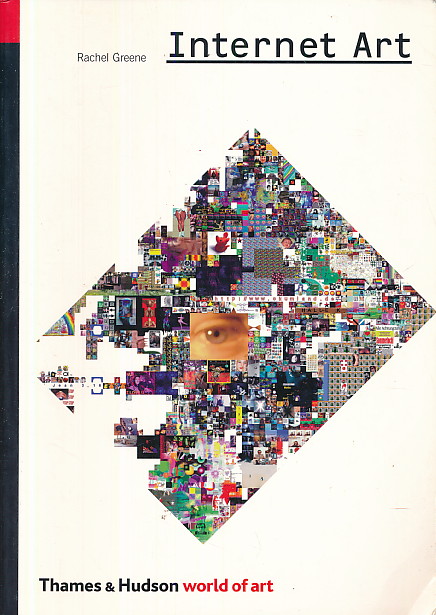
The diverse forms of Internet art and the tools and equipment used to create them are discussed and placed within the wider cultural context. When the Internet emerged as a mass global communication network in the mid-1990s, artists immediately recognized the exciting possibilities for creative innovation that came with it. After a century of unprecedented artistic experimentation, individuals and groups were quick to use the new technologies to question and radically redefine the conventions of art, and to tackle some of the most pressing social, political, and ethical issues of the day. Covering email art, Web sites, artist-designed software, and projects that blur the boundaries between art and design, product development, political activism, and communication, Internet Art shows how artists have employed online technologies to engage with the traditions of art history, to create new forms of art, and to move into fields of activity normally beyond the artistic realm. The book investigates the ways Internet art resists and shifts assumptions about authorship, originality, and intellectual property; the social role of the artist; issues of identity, sexuality, economics, and power; and the place of the individual in the virtual, networked age. Throughout, the views of artists, curators, and critics offer an insider’s perspective on the subject, while a timeline and glossary provide easy-to-follow guides to the key works, events, and technological developments that have taken art into the twenty-first century. 200 illustrations, 100 in color
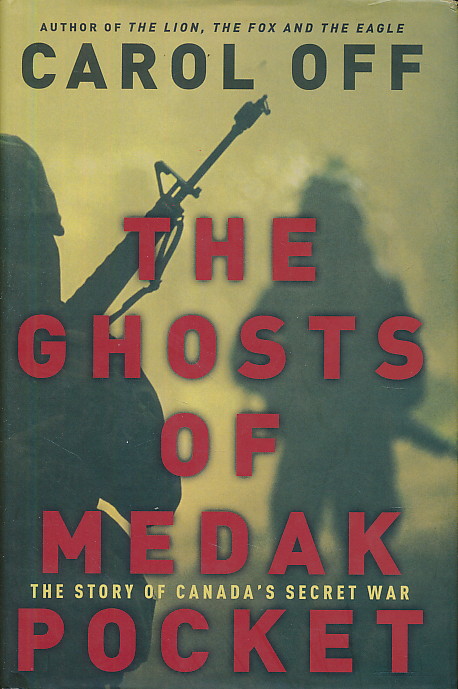
In 1993, Canadian peacekeepers in Croatia were plunged into the most significant fighting Canada had seen since the Korean War. Their extraordinary heroism was covered up and forgotten. The ghosts of that battlefield have haunted them ever since. Canadian peacekeepers in Medak Pocket, Croatia, found no peace to keep in September 1993. They engaged the forces of ethnic cleansing in a deadly firefight and drove them from the area under United Nations protection. The soldiers should have returned home as heroes. Instead, they arrived under a cloud of suspicion and silence. In Medak Pocket, members of the Princess Patricia’s Canadian Light Infantry did exactly the job they were trained — and ordered — to do. When attacked by the Croat army they returned fire and fought back valiantly to protect Serbian civilians and to save the UN mandate in Croatia. Then they confronted the horrors of the offensive’s aftermath — the annihilation by the Croat army of Serbian villages. The Canadians searched for survivors. There were none. The soldiers came home haunted by these atrocities, but in the wake of the Somalia affair, Canada had no time for soldiers’ stories of the horrific compromises of battle — the peacekeepers were silenced. In time, the dark secrets of Medak’s horrors drove many of these soldiers to despair, to homelessness and even suicide. Award-winning journalist Carol Off brings to life this decisive battle of the Canadian Forces. The Ghosts of Medak Pocket is the complete and untold story.
Table of contents1 function. 2 limit continuity. 3 derivative and differential. -differntial calculus. 4 investigating functions and their graphs. 5 the definite integral. 6 indefinite integral. -integral calculus. 7 methods for evaluating definite integrals. -improper integrals. 8 application of integral calculus. 9 series. 10 function of several variables differential calculus. 11 applications of differential calculus of functions of several variables. 12 multiple integrals. 13 line integrals and surface integrals. 14 differential equations. 15 trigonometric series. 16 elements of field theory
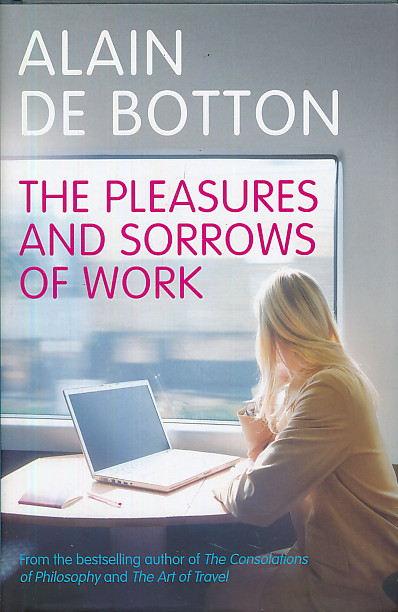
We spend most of our waking lives at work—in occupations most often chosen by our inexperienced younger selves. And yet we rarely ask ourselves how we got there or what our jobs mean to us. The Pleasures and Sorrows of Work is an exploration of the joys and perils of the modern workplace, beautifully exploring what other people wake up to do each day—and night—to make our frenzied world function. With a philosophical eye and his signature combination of wit and wisdom, Alain de Botton leads us on a journey around an eclectic range of occupations, from rocket scientist to biscuit manufacturer, from accountant to artist—in search of what makes jobs either soul-destroying or fulfilling.
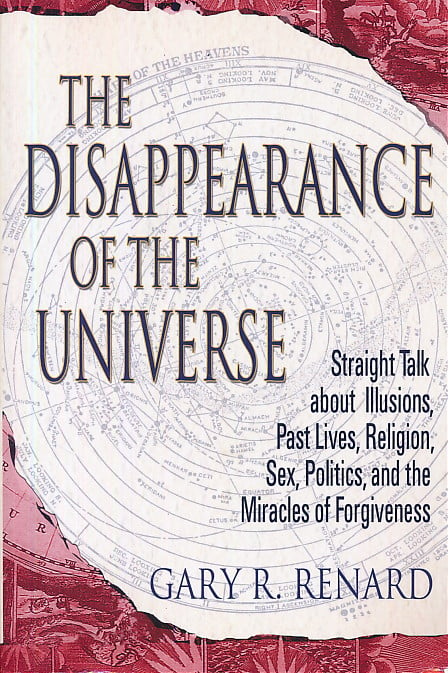
What would you do if you were sitting quietly in your living room when a mysterious couple appeared from out of nowhere—and then told you they were ascended masters who had come to reveal some shocking secrets of existence and teach you the miraculous powers of advanced forgiveness? When two such teachers appeared before Gary Renard in 1992, he chose to listen to them (and ask a lot of impertinent questions). The result is this startling book: an extraordinary record of 17 mind-bending conversations that took place over nearly a decade, reorienting the author’s life and giving the world an uncompromising introduction to a spiritual teaching destined to change human history.
Great Books of The Western World – An Inquiry Into the Nature and Cause of the Wealth of Nations: Volume 39. Published by William Benton, Publisher: Encyclopaedia Britannica, Inc, Chicago, IL, 1952. An Inquiry into the Nature and Causes of the Wealth of Nations, generally referred to by its shortened title The Wealth of Nations, is the magnum opus of the Scottish economist and moral philosopher Adam Smith. First published in 1776, the book offers one of the world’s first collected descriptions of what builds nations’ wealth, and is today a fundamental work in classical economics. By reflecting upon the economics at the beginning of the Industrial Revolution, the book touches upon such broad topics as the division of labour, productivity, and free markets.
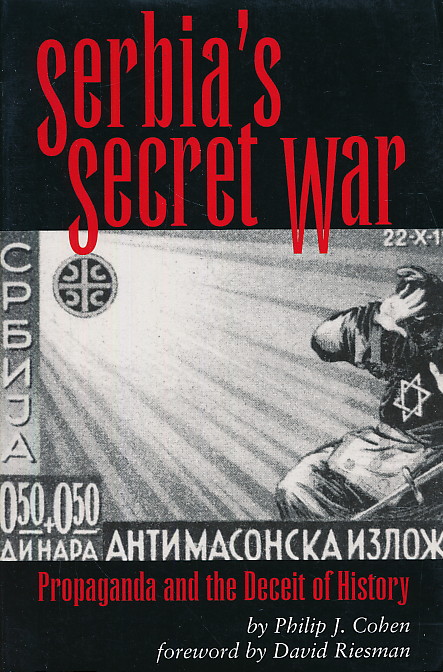
Serbia’s Secret War: Propaganda and the Deceit of History. An entire piece of Serbian history is missing. And in the middle of the latest Yugoslav war—Europe’s worst blood bath since World War II—Serbian politicians, propagandists, and revisionist historians have made a cynical attempt at replacing the missing piece by rewriting the Holocaust record: Serbs were not Nazi collaborators in genocide, but purely victims of the same atrocities that befell the Jews; and Serbian aspirations for a Greater Serbia are not driven by a murderous, nationalistic hatred, but rather are propelled by a victim’s desire to lay claim to a safe homeland, a Serbian Promised Land. Thus has the current spilling of blood been justified. Philip J. Cohen argues that the existence of such a propaganda campaign, emanating from Belgrade, began in the earliest days of the post-World War II era and, since then, has been reflected in the world media, as well as in popular commentary and scholarly analysis. More astonishing is that this campaign has been widely successful, particularly in Israel. In attempting to not only establish but also explain the Serbian record during the Nazi occupation, Cohen takes his reader back into nineteenth-century Serbia to uncover the foundation of a political and social system that was partly built on ethnic prejudices and the glorification of violence. The rise of Serbian fascism in the 1930s was therefore inevitable—predetermined by the politics of power- and land-grabbing. Remarkable for its broad portrayal and penetrating examination of the Yugoslav social and political experience, Serbia at War with History draws heavily on documents that have been previously unavailable to the West. Some of the written record has been translated and is published here, in full, for the first time. Destined to be regarded as an important contribution to the field, Cohen’s careful study of the Serbian role in the Second World War will dramatically alter how scholars, policy makers, and the general public view the bloodshed in the former Yugoslavia—and how they will come to understand the reasons behind it.
American Foreign Policy and Yugoslavia, 1939 – 1941. In American Foreign Policy and Yugoslavia, 1939-1941, Ivo Tasovac contends that Yugoslavia acted as an unwilling prop for American involvement in World War II. As a result of America’s commitment to Britain as an exception to their doctrine of neutrality, and of Winston Churchill and Franklin Roosevelt’s shared eagerness for conflict and suppression of Germany, the war and ensuing Communist takeover of Eastern Europe were inevitable. With Yugoslavia cast as the endangered barrier between the Germans and the Mediterranean, Churchill was able to establish a unquestionable need for U.S. military action. Britain’s leader could seize on the small country as a staging area for activating the Soviets in order to eliminate Italy and weaken Germany in the process. Tasovac contends that pressure from the British government and the American diplomats investigating the situation in fact enforced the Serbian coup d’etat to overthrow Prince Paul of Yugoslavia when he appeared to sympathetic to Germany, even though the Serbians had no intentions of fighting. With all of the ingredients for conflict in place, the ensuing struggle for Yugoslavian freedom was unavoidable. By bringing the war to the Balkans, Churchill and Roosevelt shaped the next half century of international politics and domination. American Foreign Policy towards Yugoslavia documents and analyzes the decisions and policies that made this action so detrimental to Yugoslavia and other Balkan states. Tasovac brings new light to the realities of the engagement in Yugoslavia and the long-standing effects, discarding the appearances of history for the truth.This study is ideal for a broad audience of scholars, including those interested in NATO policies applied to the Balkan states, the relationship between the United States and those states, Franklin D. Roosevelt’s influence on the world stage during his presidency and World War II, and the history of Yugoslavia as a whole.
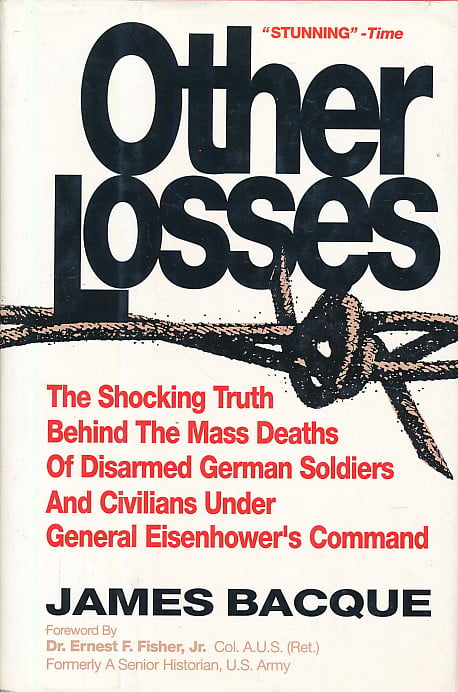
Other Losses: An Investigation into the Mass Deaths of German Prisoners at the Hands of the French and Americans after World War II. Other Losses caused an international scandal when first published in 1989 by revealing that Allied Supreme Commander Dwight Eisenhower’s policies caused the death of some 1,000,000 German captives in American and French internment camps through disease, starvation and exposure from 1944 to 1949, as a direct result of the policies of the western Allies, who, with the Soviets, ruled as the Military Occupation Government over partitioned Germany from May 1945 until 1949. An attempted book-length disputation of Other Losses, was published in 1992, featuring essays by British, American and German revisionist historians (Eisenhower and the German POWs: Facts Against Falsehood, edited by Ambrose & Günter). However, that same year Bacque flew to Moscow to examine the newly-opened KGB archives, where he found meticulously and exhaustively documented new proof that almost one million German POWs had indeed died in those Western camps. One of the historians who supports Bacque’s work is Colonel Ernest F. Fisher, 101st Airborne Division, who in 1945 took part in investigations into allegations of misconduct by U.S. troops in Germany and later became a senior historian with the United States Army. In the foreword to the book he states: “Starting in April 1945, the United States Army and the French Army casually annihilated about one million [German] men, most of them in American camps … Eisenhower’s hatred, passed through the lens of a compliant military bureaucracy, produced the horror of death camps unequalled by anything in American military history … How did this enormous war crime come to light? The first clues were uncovered in 1986 by the author James Bacque and his assistant.” This updated third edition of Other Losses exists not to accuse, but to remind us that no country can claim an inherent innocence of or exemption from the cruelties of war.
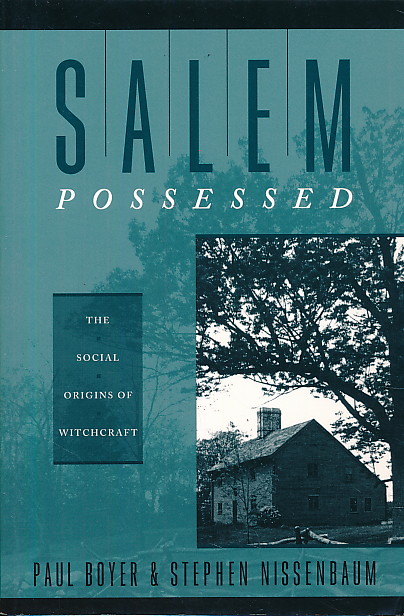
Tormented girls writhing in agony, stern judges meting out harsh verdicts, nineteen bodies swinging on Gallows Hill. The stark immediacy of what happened in 1692 has obscured the complex web of human passion, individual and organized, which had been growing for more than a generation before the witch trials. Salem Possessed explores the lives of the men and women who helped spin that web and who in the end found themselves entangled in it. From rich and varied sources-many previously neglected or unknown-Paul Boyer and Stephen Nissenbaum give us a picture of the events of 1692 more intricate and more fascinating than any other in the already massive literature on Salem. “Salem Possessed,” wrote Robin Briggs in The Times Literary Supplement, “reinterprets a world-famous episode so completely and convincingly that virtually all the previous treatments can be consigned to the historical lumber-room.” Not simply a dramatic and isolated event, the Salem outbreak has wider implications for our understanding of developments central to the American experience: the breakup of Puritanism, the pressures of land and population in New England towns, the problems besetting farmer and householder, the shifting role of the church, and the powerful impact of commercial capitalism.
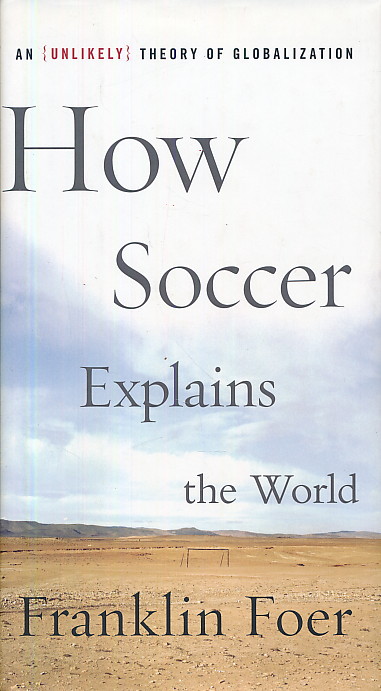
How Soccer Explains the World: An Unlikely Theory of Globalization. A groundbreaking work—named one of the five most influential sports books of the decade by Sports Illustrated—How Soccer Explains the World is a unique and brilliantly illuminating look at soccer, the world’s most popular sport, as a lens through which to view the pressing issues of our age, from the clash of civilizations to the global economy. From Brazil to Bosnia, and Italy to Iran, this is an eye-opening chronicle of how a beautiful sport and its fanatical followers can highlight the fault lines of a society, whether it’s terrorism, poverty, anti-Semitism, or radical Islam—issues that now have an impact on all of us. Filled with blazing intelligence, colorful characters, wry humor, and an equal passion for soccer and humanity, How Soccer Explains the World is an utterly original book that makes sense of our troubled times.
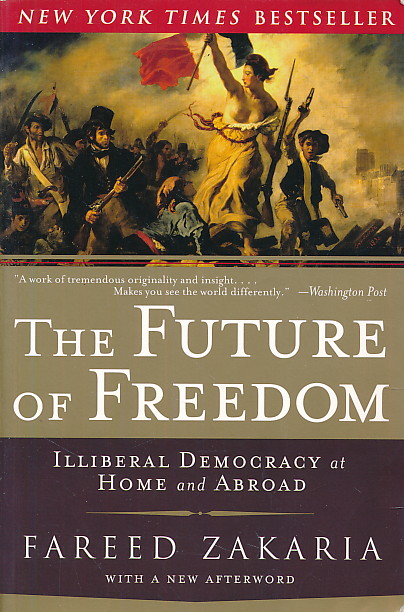
The Future of Freedom: Illiberal Democracy at Home and Abroad. Translated into twenty languages ?The Future of Freedom ?is a modern classic that uses historical analysis to shed light on the present, examining how democracy has changed our politics, economies, and social relations. Prescient in laying out the distinction between democracy and liberty, the book contains a new afterword on the United States’s occupation of Iraq and a wide-ranging update of the book’s themes.
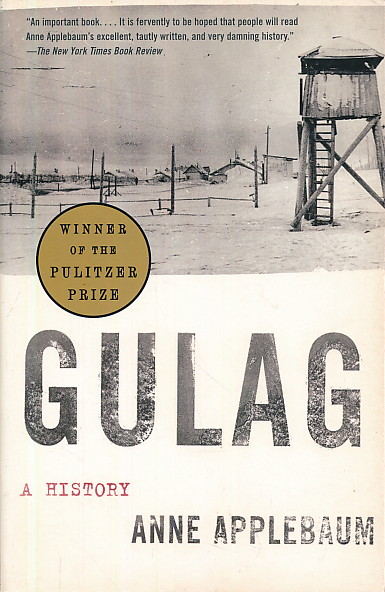
Gulag: A History. The Gulag – a vast array of Soviet concentration camps that held millions of political and criminal prisoners – was a system of repression and punishment that terrorized the entire society, embodying the worst tendencies of Soviet communism. In this magisterial and acclaimed history, Anne Applebaum offers the first fully documented portrait of the Gulag, from its origins in the Russian Revolution, through its expansion under Stalin, to its collapse in the era of glasnost. Applebaum intimately recreates what life was like in the camps and links them to the larger history of the Soviet Union. Immediately recognized as a landmark and long-overdue work of scholarship, Gulag is an essential book for anyone who wishes to understand the history of the 20th century.
The Chatham House Version: And Other Middle Eastern Studies. Here returned to print, at a timely moment in history, is Elie Kedourie’s classic study of the Middle East in modern times. In analyzing British failures in the region during the zenith of their power and influence, Mr. Kedourie attributes much of Britain’s faulty and disastrous handling of Middle East problems to what he calls the Chatham House version. It was a view of Middle Eastern history and politics propounded and propagated in the various publications of the Royal Institute of International Affairs (known popularly as Chatham House), written or edited by Arnold Toynbee. The episodes that Mr. Kedourie investigates show successive and cumulative manifestations of illusion, misjudgment, maladroitness, and failure. Together they point up hard lessons for the Bush administration or any outside power that would intervene in Middle Eastern affairs.
Tito: The Story from Inside. Djilas sets his story against events: the early adulation of the Soviets, and the break with the U.S.S.R. in 1948, the shame of the concentration camp on Goli Otok for pro-soviet Communists – a story never told before – and the rise of a Communist market economy in Yugoslavia.
A lively, well informed & sharply focussed picture of a pivotal nation & its people towards the end of Tito’s regime–a ‘country as yet to make its choice of civilizations’– written by a correspomdent of the Washington Post who lived in Belgrade as chief of its Eastern Bureau (he was born in Yugoslavia). Even a dictator’s control over national life is tempered by the traditions & mental attitudes of his subjects. I have tried to look at Yugoslavia in terms of culture & civilisation, not just in terms of government.
The Zimzum of Love: A New Way of Understanding Marriage As he revolutionized traditional teaching on hell in the phenomenal New York Times bestseller Love Wins, Rob Bell now transforms how we understand and practice marriage in The Zimzum of Love, co-written with his wife, Kristen. Despite the divorce statistics, people are still committing to each other, instinctively believing and hoping that theirs is a sacred union that will last forever. Yet when these couples encounter problems, they often lack the resources that keep them connected to this greater mystery surrounding marriage. Rob and Kristen Bell introduce a startling new way of looking at marriage, The Zimzum of Love. Zimzum is a Hebrew term where God, in order to have a relationship with the world, contracts, creating space for the creation to exist. In marriage, zimzum is the dynamic energy field between two partners, in which each person contracts to allow the other to flourish. Mastering this field, this give and take of energy, is the secret to what makes marriage flourish. Rob and Kristen Bell are brutally honest about their own struggles, their ups and downs, as together they pass along what matters most for couples. In this wise book, they explore the secret of what makes a happy union—probing the mystery at the heart of the extraordinary emotional connection that binds two people. With his down-to-earth charm, a dose of whimsy, and memorable stories, Rob, writing with his wife Kristen, changes how we consider marriage, providing insight that can help all of us create satisfying and sacred unions of our own.
The Blank Slate: The Modern Denial of Human Nature. One of the world’s leading experts on language and the mind explores the idea of human nature and its moral, emotional, and political colorings. With characteristic wit, lucidity, and insight, Pinker argues that the dogma that the mind has no innate traits-a doctrine held by many intellectuals during the past century-denies our common humanity and our individual preferences, replaces objective analyses of social problems with feel-good slogans, and distorts our understanding of politics, violence, parenting, and the arts. Injecting calm and rationality into debates that are notorious for ax-grinding and mud-slinging, Pinker shows the importance of an honest acknowledgment of human nature based on science and common sense.
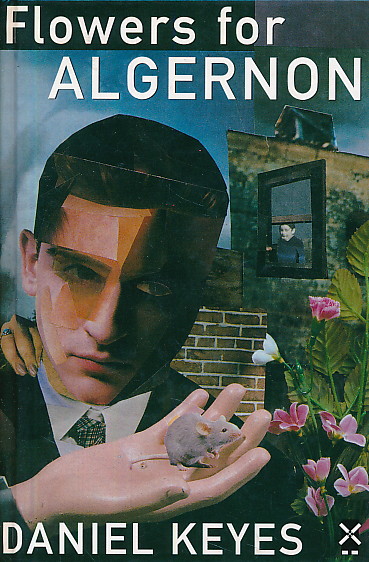
The story of a mentally disabled man whose experimental quest for intelligence mirrors that of Algernon, an extraordinary lab mouse. In diary entries, Charlie tells how a brain operation increases his IQ and changes his life. As the experimental procedure takes effect, Charlie’s intelligence expands until it surpasses that of the doctors who engineered his metamorphosis. The experiment seems to be a scientific breakthrough of paramount importance until Algernon begins his sudden, unexpected deterioration. Will the same happen to Charlie?
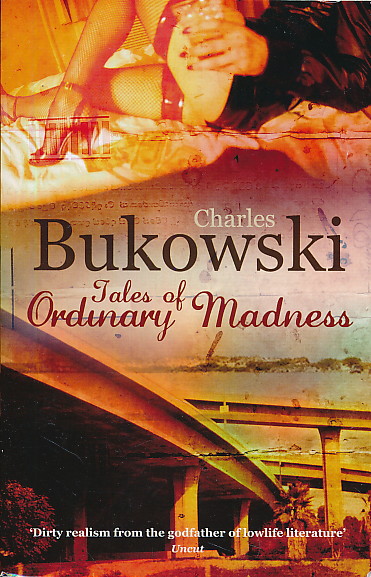
This collection of stories was once part of the 1972 City Lights classic, Erections, Ejaculations, Exhibitions and General Tales of Ordinary Madness. That book was later split into two volumes and republished: The Most Beautiful Woman in Town and, this book, Tales of Ordinary Madness. With Bukowski, the votes are still coming in. There seems to be no middle ground—people seem either to love him or hate him. Tales of his own life and doings are as wild and weird as the very stories he writes. In a sense, Bukowski was a legend in his time, a madman, a recluse, a lover; tender, vicious; never the same.
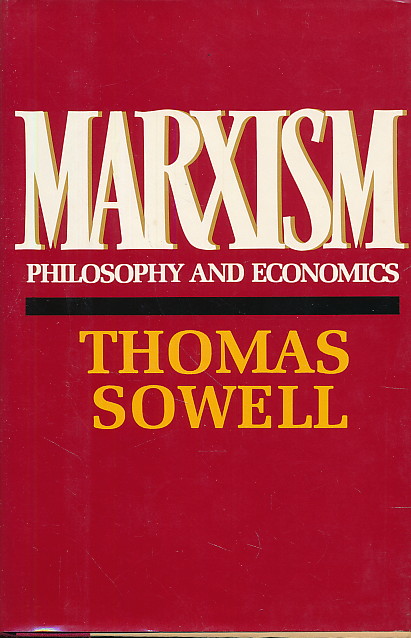
Thomas Sowell’s book is a crisp, lucid and commonsensical introduction to Marx’s own writings and to Marxist theory. It combines readability with intellectual rigour and distils more than a quarter of a century of Thomas Sowell’s research and thought on the philosophical and economic doctrines of Karl Marx. Its central theme is that Marxian philosophy must be understood before Marxian economics can be defined. The book discusses Marx’s ideas, including his philosophy of history, concept of capitalist exploitation, morality and business cycle theory.
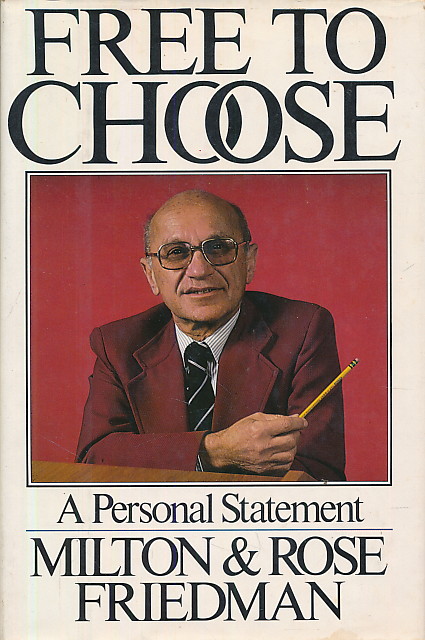
Free to Choose: A Personal Statement. A powerful and persuasive discussion about economics, freedom, and the relationship between the two, from today’s brightest economist. In this classic discussion, Milton and Rose Friedman explain how our freedom has been eroded and our affluence undermined through the explosion of laws, regulations, agencies, and spending in Washington. This important analysis reveals what has gone wrong in America in the past and what is necessary for our economic health to flourish.