Oznaka:
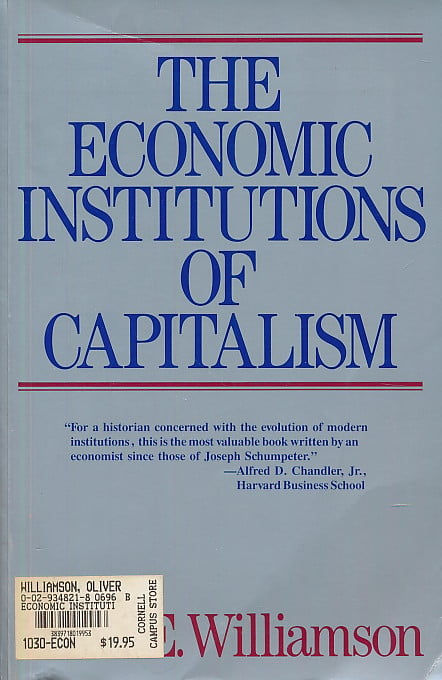
The Economic Institutions of Capitalism
An extraordinarily impressive achievement and must reading for all serious students of law, economics, and organization.–Paul L. Joskow, Professor of Economics, Massachusetts of Technology.
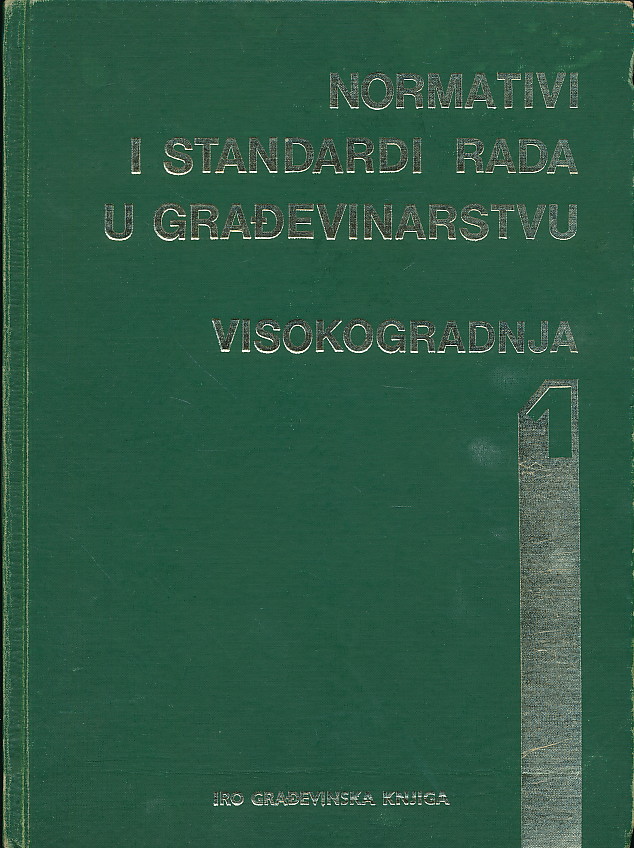
Normativi i standardi rada u građevinarstvu
Milan Višnjić gl. ur. Normativi i standardi rada u građevinarstvu visokogradnja 1-3
Salto mortale
Diogenes
Historicka pripoviest XVIII. vieka (sabrane pripoviesti VI)
The Colours of Light
An exquisite work of art in its own right, this book is the result of ten years’ collaboration between the English photographer Richard Pare and the internationally renowned Japanese architect Tadao Ando. This new edition features all the same extraordinary photographs, completely remastered from the original negatives, bringing this beautiful volume back to life. Pare’s remarkable images shed new light on this important body of work, while Ando’s original line drawings and sketches provide unparalleled insight into his creative process.
Duša u kiberprostoru
Douglas Groothuis predaje filozofiju religije i etike na fakultetu Denver Seminary u SAD-u. U svojoj knjizi Duša u kiberprostoru poziva čitatelja da uoči nove odnose novih, pod utjecajem tehnologije rođenih, kultura i duhovnog života, moralnih vrijednosti i etike. Posebnu pozornost autor pridaje postmodernom shvaćanju čovjeka i njegovu odnosu prema identitetu u kiberprostoru, pokušajima postizanja bestjelesnosti/besmrtnosti, odnosu knjige i monitora prema duši, položaju objektivne istine u digitalnom svijetu, rastućoj industriji kibererotike, religiji tehnošamanizma te mogućnostima digitalne zajednice i preporučljivosti ulaska kršćanstva u digitalni svijet.

The Complete Illustrated Works of H.C. Andersen
The Complete Illustrated Works of Hans Christian Andersen
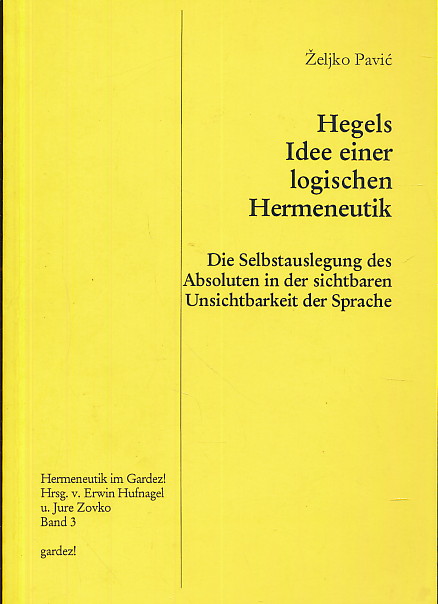
Hegels Idee einer logischen Hermeneutik
Die Selbstauslegung des Absoluten in der sichtbaren Unsichtbarkeit der Sprache
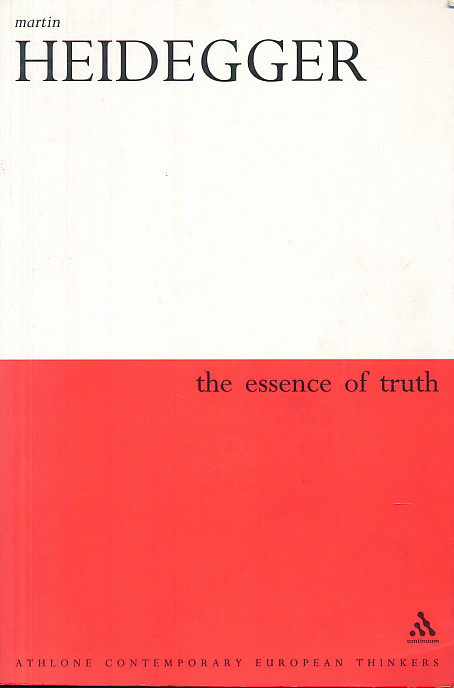
The essence of truth
On Plato’s cave allegory and Theaetetus. The Essence of Truth must count as one of Heidegger’s most important works, for nowhere else does he give a comparably thorough explanation of what is arguably the most fundamental and abiding theme of his entire philosophy, namely the difference between truth as the unhiddenness of beings and truth as the correctness of propositions. For Heidegger, it is by neglecting the former primordial concept of truth in favor of the latter derivative concept that Western philosophy, beginning already with Plato, took off on its metaphysical course towards the bankruptcy of the present day. This first ever translation into English consists of a lecture course delivered by Heidegger at the University of Freiburg in 1931-32. Part One of the course provides a detailed analysis of Plato’s allegory of the cave in the Republic, while Part Two gives a detailed exegesis and interpretation of a central section of Plato’s Theaetetus, and is essential for the full understanding of his later well-known essay Plato’s Doctrine of Truth. As always with Heidegger’s writings on the Greeks, the point of his interpretative method is to bring to light the original meaning of philosophical concepts, especially to free up these concepts to their intrinsic power.

Religion, The Missing Dimension of Statecraft
Ostali autori: Cynthia Sampson (ur.) Opis: As the Cold War era becomes history, we are entering an age when international conflict is increasingly based on racial, ethnic, national, and religious clashes–the most intractable sources of conflict, and those with which conventional diplomacy is least suited to deal. The particularly American tendency to separate political from spiritual life often tends to ignore a vital aspect of international relations–one that can be a powerful tool in negotiations. Religion plays a crucial role in many international conflicts, yet for the most part, diplomacy either ignores or misunderstands its role. This unified collection of case studies and theoretical pieces attempts to restore this missing dimension to its rightful place in the conduct of international diplomacy. Sponsored by the Center for Strategic and International Studies in Washington, D.C., this study offers the first systematic account of modern cases in which religious or spiritual factors have played a helpful role in preventing or resolving conflict and achieving non-violent socio-political change. Written by a distinguished roster of scholars, the cases presented span the globe, with examples from Europe, Central America, Asia, and Africa. Additional essays summarize the findings of these case studies to bring out their implications for foreign policy and the religious community. In the Foreword, former President Jimmy Carter states that the book poses a challenge to diplomats and politicians, religious figures and laypersons, analysts and academics alike. Conceived to help call attention to and reinforce the positive contribution that religious and spiritual influences can bring to peacemaking, this important study offers practical guidelines for the future application of this kind of peacemaking in existing and incipient conflict situations.
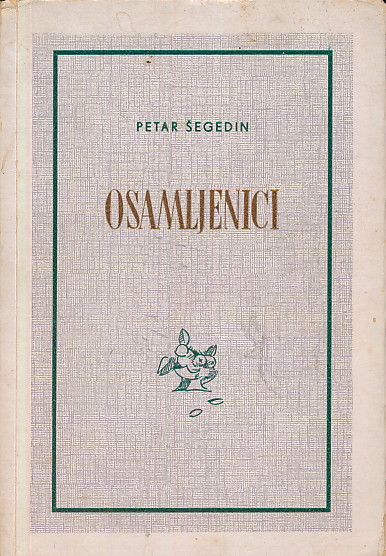
Osamljenici
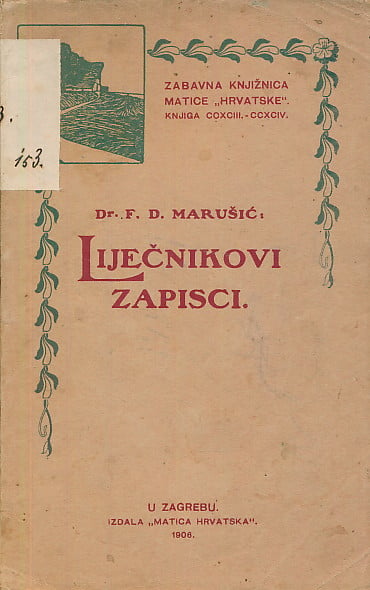
Liječnikovi zapisci
Iz gorke životne zbilje i oštre istine iznikoše ovi zapisci. Tamo u niskim ševaricama i golim potleušicama žive plačni narod krvi naše…
Ratna brodogradnja
Duc in altum!
Svećenička razmišljanja
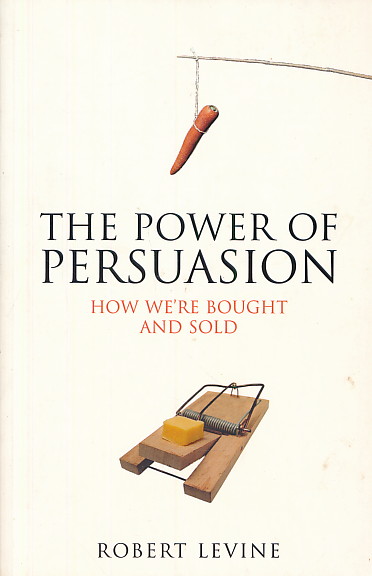
The Power of Persuasion
How we’re bought and sold. Can you be made to do something you don’t want to do? The power of persuasion can turn ordinary people into suicide bombers and make us buy things we didn’t think we wanted. The author, Professor of Psychology Robert Levine, introduces us to the mindsets of those who prod, praise, debase and manipulate others to do things they never thought they’d do – and are sometimes later sorry they did! Lucid, timely, entertaining and at times disturbing, Levine takes a hands-on approach by going undercover in the world of manipulation, attending training sessions for magicians honing their craft and working as a door-to-door salesman. And he finds the unlikely similarities across a wide range of persuasive strategies, from parents to con men to lovers to religious leaders.
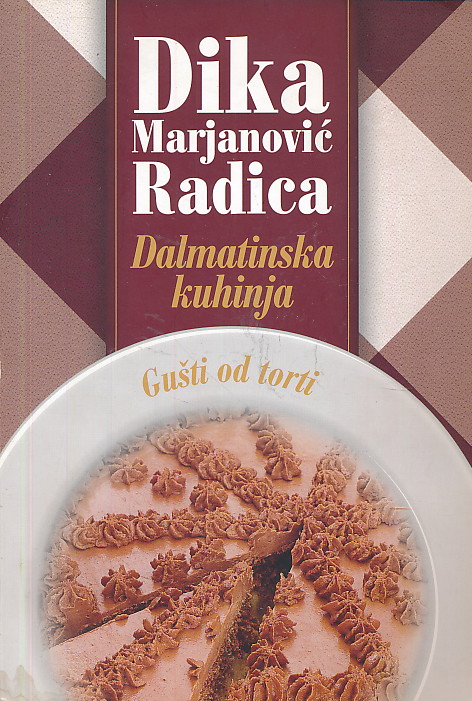
Dalmatinska kuhinja – Gušti od torti
Gušti od torti
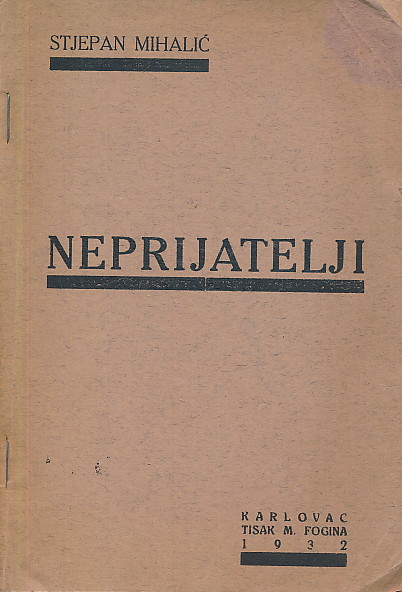
Neprijatelji
Mihalić, Stjepan, hrvatski književnik (Karlovac, 16. VII. 1901 – Karlovac, 12. IV. 1984). Završio Trgovačku akademiju u Karlovcu. God. 1950–55. bio je ravnatelj karlovačkoga profesionalnoga kazališta, a 1965–71. urednik časopisa Svjetlo. Uz prvo objavljeno djelo, dramolet Maske (1921), središnji dio njegova dramskog opusa čine Grbavica (1929), ekspresionistička drama pod utjecajem M. Krleže, te Bukovački (1936), Patent (1951) i Mama Mag (1957). Objavio je više knjiga novela (Neprijatelji, 1932; Novele, 1932; Knjiga o Mlakaru i drugima, 1937; Šest priča iz moga grada, 1941), no najznačajniji je kao romanopisac. Međuratnim lirskim romanom Zapaljena krv (1933) vlada dionizijsko nadahnuće i vitalistička filozofija, kakva se može pronaći u Krležinu Panu i Nazorovim mitološkim tekstovima, a ostali su romani u duhu socijalno-kritičkoga realizma. Rakovac u Vinovrhu (1939) bavi se aktualnim problemima političke borbe i propadanja morala, Teleći odresci (1956) tematiziraju provincijsku svakodnevicu, a Elegija (1963) roman je povratka u djetinjstvo, u kojem se primjenjuje tehnika struje svijesti. Posmrtno mu je objavljen satirični roman Lule kuma Gatalina (1991).
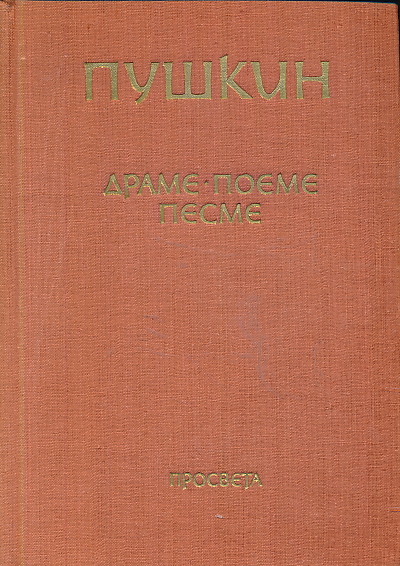
Drame, Poeme, Pesme
Pismo ćirilica.

Fulvio Tomizza i sudbina granice
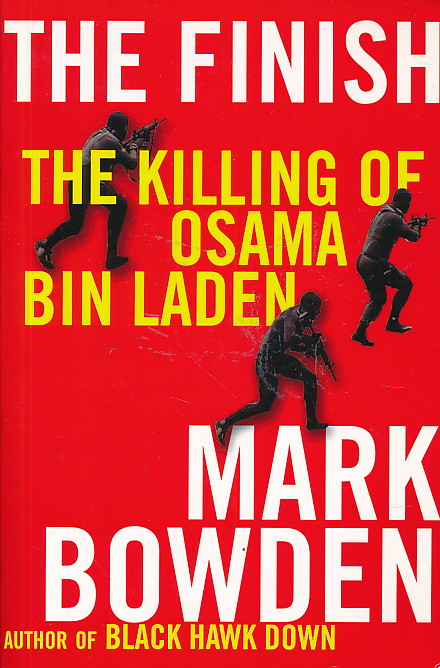
The Finish
After masterminding the attacks of September 11, 2001, Osama bin Laden managed to vanish. Over the next ten years, as Bowden shows, America found that its war with al Qaeda—a scattered group of individuals who were almost impossible to track—demanded an innovative approach. Step by step, Bowden describes the development of a new tactical strategy to fight this war—the fusion of intel from various agencies and on-the-ground special ops. After thousands of special forces missions in Iraq and Afghanistan, the right weapon to go after bin Laden had finally evolved. By Spring 2011, intelligence pointed to a compound in Abbottabad; it was estimated that there was a 50/50 chance that Osama was there. Bowden shows how three strategies were mooted: a drone strike, a precision bombing, or an assault by Navy SEALs. In the end, the President had to make the final decision. It was time for the finish.

Žive igračke
Rascvjetane magnolije i proljetna Trešnjevka romantični su okvir u koji Pavličić smješta radnju Živih igračaka. Najpoznatiji dvojac hrvatskog krimića Ivo Remetin, urednik crne kronike, i njegov prijatelj policijski inspektor Šoštar serijom dedukcija razotkrivaju intrigu dvaju ubojstava – poznatog ekstrasensa i bioenergetičara Nikole Duspare te Olje Milčinski, feministice iz udruge za zaštitu zlostavljanih žena. Majstor kompozicije i fabuliranja, pisac zagrebačkog asfalta, njegovih parkova i zgrada, maglovitih jutara… i njegovih zločina, Pavličić se drži zlatnog pravila krimića: čitatelji i glavni junaci imaju jednaku mogućnost za rješavanje problema.
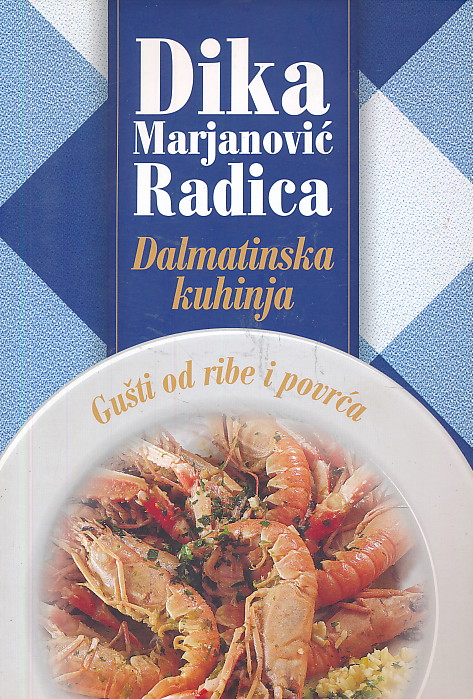
Dalmatinska kuhinja – Gušti od ribe i povrća
Gušti od ribe i povrća