Oznaka:

Mama, boli me!
Harvard Classics 19 – Faust (Part I), Egmont, Hermann and Dorothea, Doctor Faustus
Ostali autori: Christopher Marlowe

Harvard Classics 18 – Modern English Drama (Dryden, Sheridan, Goldsmith, Shelley, Browning, Byron)

Harvard Classics 17 – Folk-Lore and Fable (Aesop, Grimm, Andersen)
Harvard Classics 27 – English Essays Sidney to Macaulay
Ostali autori: Philip Sidney Ben Jonson Abraham Cowley Joseph Addison Richard Steele Jonathan Swift Daniel Defore Samuel Johnson David Hume Sydney Smith Samuel Taylor Coleridge William Hazlitt Leight Hunt Charles Lamb Thomas de Quincey Percy Bysshe Shelley Thomas Babngton Macaulay

Harvard Classics 26 – Continental Drama
Ostali autori: Pierre Corneille Jean Baptiste Racine Moliere Gotthold Ephraim Lessing Friedrich von Schiller

Harvard Classics 33 – Voyages and Travels
Ostali autori: Herodotus Tacit Tacitus Francis Drake Humphrey Gilbert Walter Raleigh Opis: Chronicle and Romance
Podunajske Biskupice. Monografia staršich dejin
Niekoľko ČB ILU a 3 skladané mapy.
Specimens of all the accessible unprinted manuscripts of the Canterbury tales
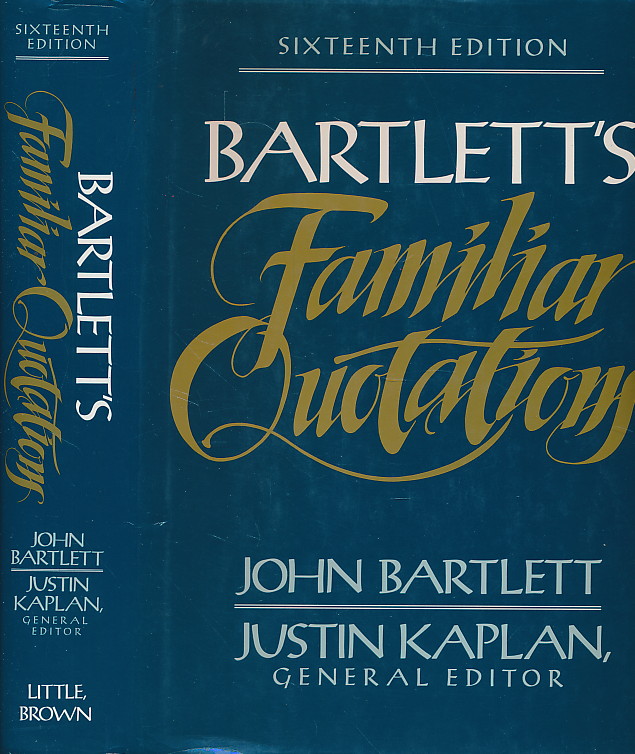
Bartletts Familiar Quotations 16TH Edition
Bartlett’s Familiar Quotations, the classic and indispensable reference, has, for the sixteenth edition, been completely revised and updated by preeminent Pulitzer Prize-winning biographer Justin Kaplan. This distinguished new edition, the most thorough revision in decades, contains 340 authors new to Bartlett’s, and is an unrivaled resource not for just who said it, but also for who said it first. Bartlett’s Sixteenth is truly a map through our culture and history.
Sion. Capitale aristocratique et paysanne
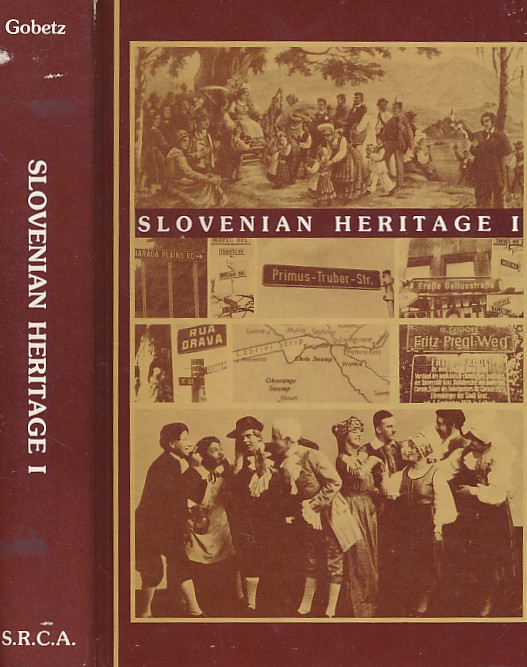
Slovenian Heritage Volume I
Le médecin divin. Promenades mythologiques aux sanctuaires d Asclépios.
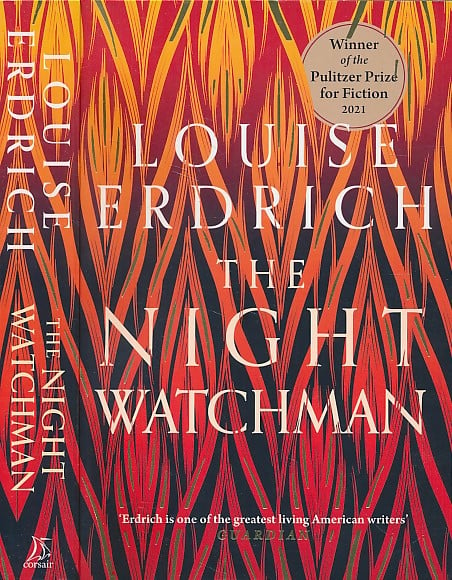
The Night Watchman
Based on the extraordinary life of National Book Award-winning author Louise Erdrich’s grandfather who worked as a night watchman and carried the fight against Native dispossession from rural North Dakota all the way to Washington, D.C., this powerful novel explores themes of love and death with lightness and gravity and unfolds with the elegant prose, sly humor, and depth of feeling of a master craftsman. Thomas Wazhashk is the night watchman at the jewel bearing plant, the first factory located near the Turtle Mountain Reservation in rural North Dakota. He is also a Chippewa Council member who is trying to understand the consequences of a new emancipation bill on its way to the floor of the United States Congress. It is 1953 and he and the other council members know the bill isn’t about freedom; Congress is fed up with Indians. The bill is a termination that threatens the rights of Native Americans to their land and their very identity. How can the government abandon treaties made in good faith with Native Americans for as long as the grasses shall grow, and the rivers run? Since graduating high school, Pixie Paranteau has insisted that everyone call her Patrice. Unlike most of the girls on the reservation, Patrice, the class valedictorian, has no desire to wear herself down with a husband and kids. She makes jewel bearings at the plant, a job that barely pays her enough to support her mother and brother. Patrice’s shameful alcoholic father returns home sporadically to terrorize his wife and children and bully her for money. But Patrice needs every penny to follow her beloved older sister, Vera, who moved to the big city of Minneapolis. Vera may have disappeared; she hasn’t been in touch in months, and is rumored to have had a baby. Determined to find Vera and her child, Patrice makes a fateful trip to Minnesota that introduces her to unexpected forms of exploitation and violence, and endangers her life. Thomas and Patrice live in this impoverished reservation community along with young Chippewa boxer Wood Mountain and his mother Juggie Blue, her niece and Patrice’s best friend Valentine, and Stack Barnes, the white high school math teacher and boxing coach who is hopelessly in love with Patrice. In the Night Watchman, Louise Erdrich creates a fictional world populated with memorable characters who are forced to grapple with the worst and best impulses of human nature. Illuminating the loves and lives, the desires and ambitions of these characters with compassion, wit, and intelligence, The Night Watchman is a majestic work of fiction from this revered cultural treasure.
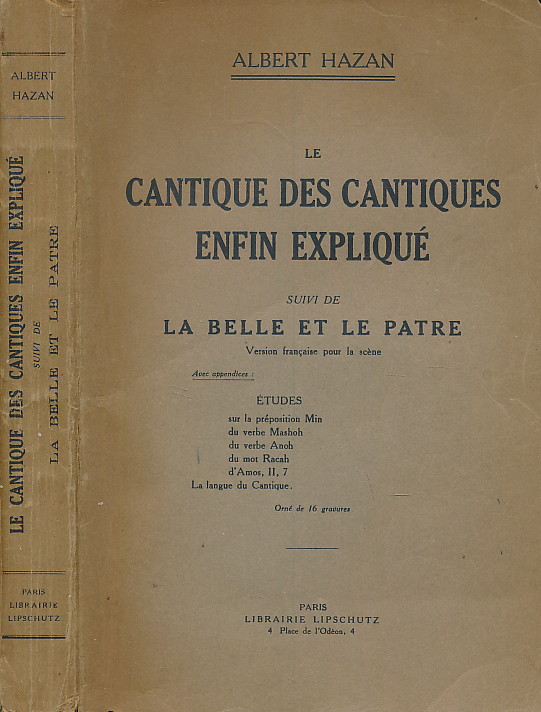
Le Cantique des cantiques enfin expliqué
Westchester : Portrait of a County
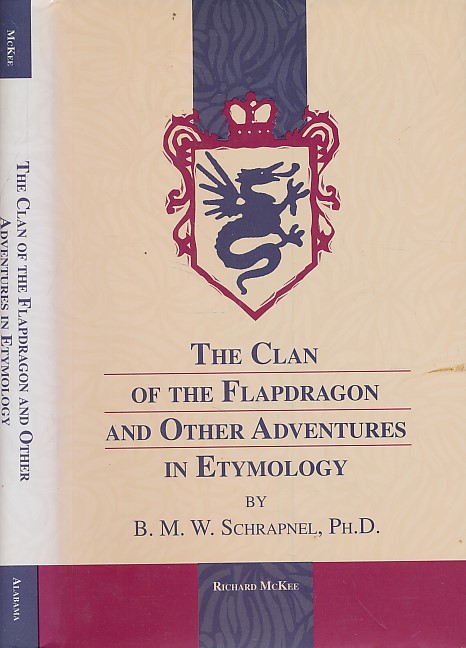
The Clan of the Flapdragon and Other Adventures in Etymology
This potpourri of satire on language use in Western culture will trigger chuckles and guffaws from an eclectic readership In The Clan of the Flapdragon and Other Adventures in Etymology by B. M. W. Schrapnel, Ph.D., the pseudonymous critic satirizes a variety of subjects in and out of academe. These adventurous essays include lampoons on writing, language, and literature, and the collection is a delightful spoof of much in contemporary culture—especially areas of intellectual pretension. Readers will be entertained by anachronistic allusions, improbable parodies, whimsical etymologies, tongue-in-cheek word play, and stunning purple prose—examples of just some of the liberties Schrapnel takes with the language. Dr. Schrapnel includes a wide array of audience reactions in the form of bogus letters from fictional readers, confirming that language and literature are everyone’s business. He also offers an annual list of words that writers and speakers should use more often—a lexicographer’s equivalent to the endangered species list—and coins terms such as prufrockery and grendelish .
The Philosophe
In the French drama of the eighteenth century.
Damien Mitton (1618-1690) Bourgeois honnete homme
Damien Mitton (1618-1690): Bourgeois honne^te homme, (Elliott monographs in the Romance languages and literatures) Unknown Binding – January 1, 1932 by Henry Alexander Grubbs (Author)
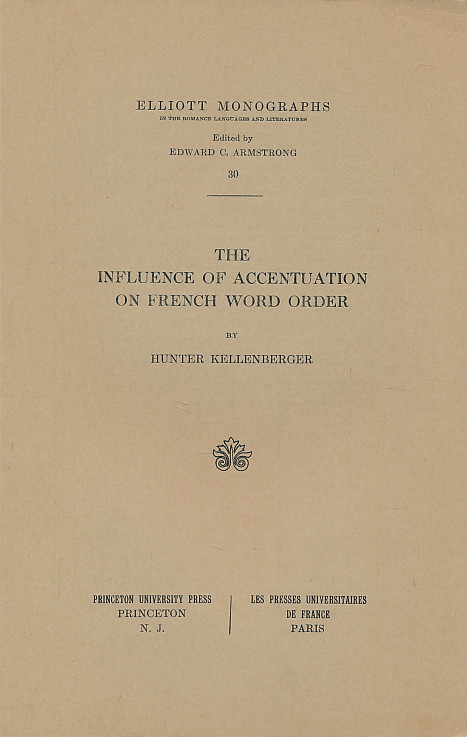
The Influence of Accentuation of French Word Order
Elliot Monofraphs (30)
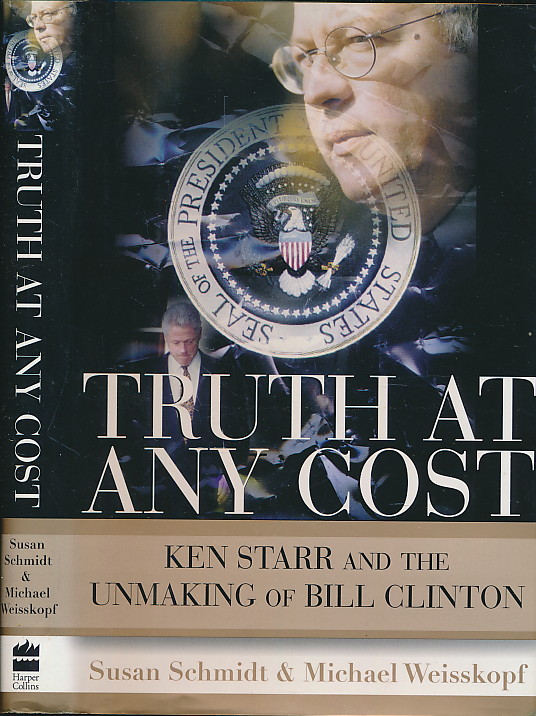
Truth at Any Cost: Ken Starr and the Unmaking of Bill Clinton
What drove the man who nearly toppled a presidency and forced the most serious constitutional crisis in twenty-five years? Conventional wisdom portrays Independent Counsel Kenneth Starr as a right-wing religious zealot out to destroy the president, and Bill Clinton as a victim whose only crime was a private indiscretion. In Truth at Any Cost, two of America’s preeminent investigative reporters, Susan Schmidt and Michael Weisskopf, reveal for the first time what really went on inside the Office of the Independent Counsel. The book details Ken Starr’s motivations, his inner struggles, and his anguish as he comes under attack by Clinton’s ferocious partisans. It goes behind the locked doors of Starr’s office as prosecutors make the fateful decision to pursue the case against Clinton for lying to conceal his embarrassing affair with an intern half his age. Schmidt and Weisskopf lay bare what happened on the night when FBI agents first confronted Monica Lewinsky, how the White House launched a political jihad to survive, and how Starr’s team agonized over Clinton’s fate. For four years, the bland, smiling man behind the investigation of President Clinton remained a mystery, both to many who supported him and to those who feared him. Until now. Truth at Any Cost shows Ken Starr in a new light: as an upright but politically naive prosecutor who withstood public vilification to pursue the truth–including what he and his deputies saw as the president’s attempts to use the power of his office to thwart a legitimate inquiry. Here is an unblinking look at the battle between Starr’s legal absolutism and Clinton’s chronic evasions. It examines Starr’s impassioned quest to bring the president to justice, and explains how Starr eventually became a casualty of his own mission, leaving the arena as bloodied as the man he had pursued.
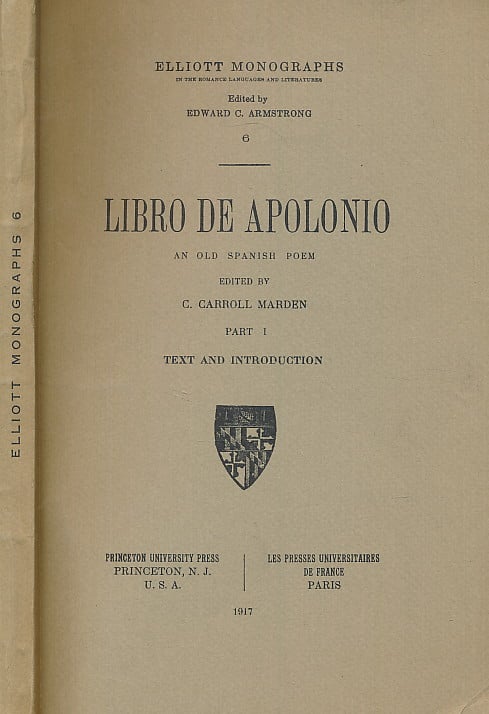
Libro de Apolonio, Vol. 1: An Old Spanish Poem
Libro de Apolonio, Vol. 1: An Old Spanish Poem; Text And Introduction (Classic Reprint) Hardcover – August 24, 2018 Spanish Edition by C. Carroll Marden (Author) LVII, 76 p.