Periods of European Literature. Edited by Professor Saintsbury.
Periods of European Literature. Edited by Professor Saintsbury.
With an introduction by G. Mercer Adam. With illustrations.
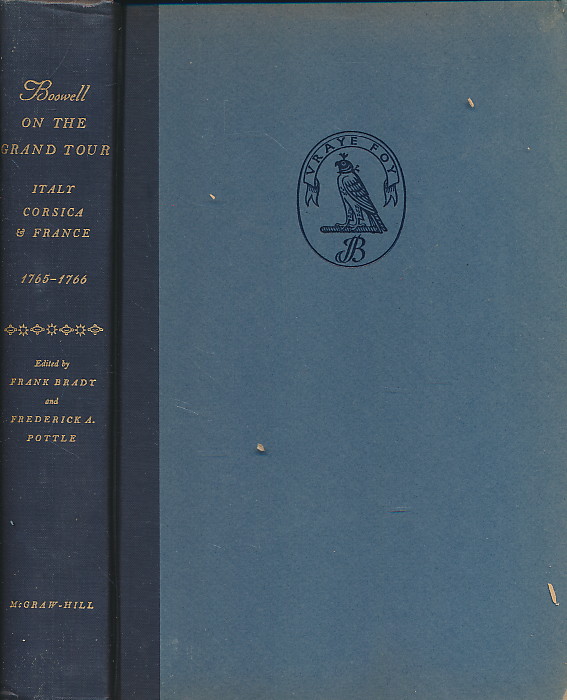
by James; Frank Brady & Frederick A. Pottle (editors) Boswell (Author), Illustrated (Illustrator)
GERARD DE NEVERS ,version du ROMAN de la VIOLETTE. ( XV e )
Elliott Monographs In the Romance Languages and Literatures No.21
La Prise de Defur and Le Voyage d’Alexandre au Paradis Terrestre (Elliott Monographs, No. 35)
Text of the arsenal and Venice versions. Elliott Monographs (36) Edited by Edward Armstrong
Version of Alexandre de Paris . Variants and notes to branch I Prepared by Alfred Foulet.
STORIA DEL TRENTINO. Copertina flessibile – 1 gennaio 1952 di Umberto. DAL RI, Luigi – TOMAZZONI (Autore)
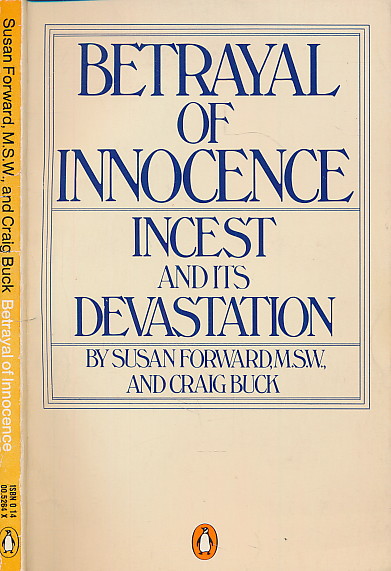
by Susan Forward (Author), Craig Buck (Author)
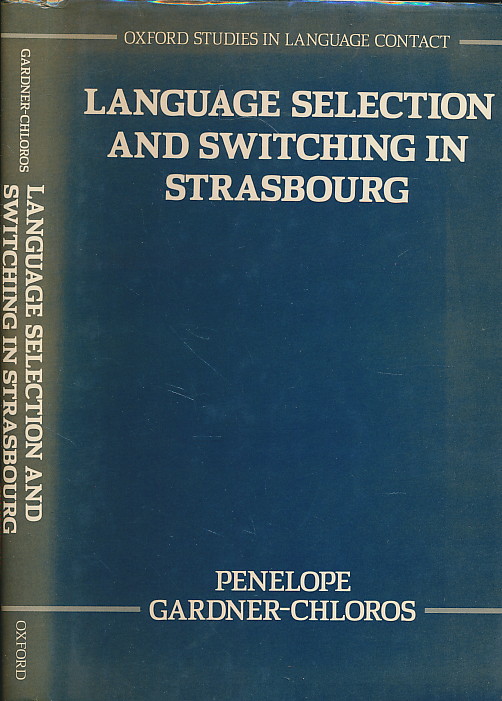
The term code-switching is used to describe the mixing of different language varieties which result from language contact. This is the first full-length study to examine code-switching in a European context. Throughout history, Alsace has been a meeting place of the Roman and Germanic worlds. Today most of the population speak a German dialect, alternating with French, which is the language of public life, education, and the media. Gardner-Chloros describes this exemplar of code-switching, investing the many layers of significance of this mode of speech in the Alsatian community.
LXXV, 342
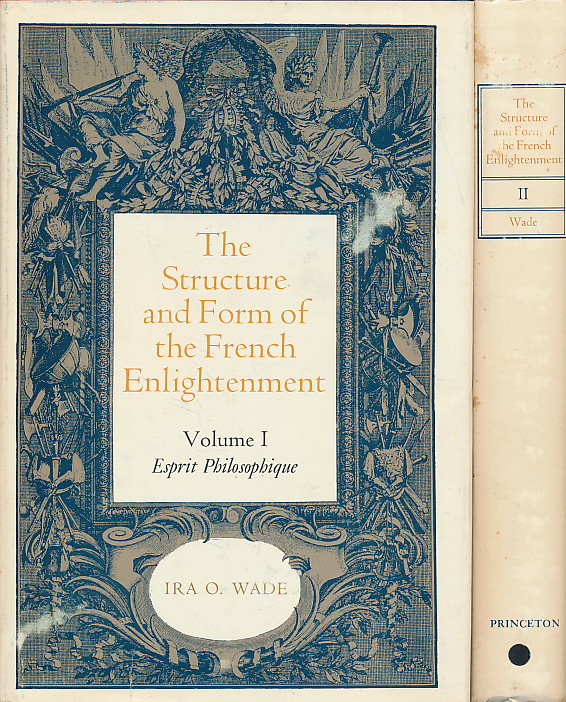
The Structure and Form of the French Enlightenment [2 Bd.e]. Vol.I: Esprit Philosophique / Vol. II: Esprit Révolutionnaire. XXIII, 690 / X, 456 S. How did the sixteenth and seventeenth centuries affect the form taken by the French Enlightenment? Ira Wade explores this question, suggests the inner unity of the Enlightenment s form, and defines its relationship to the ideas that motivated the French Revolution. In these volumes he thus continues the inquiry begun in his earlier works. — The author describes the influence on the Enlightenment of the intellectual currents that had been active in France, particularly the historical and humanistic esprit critique and the scientific esprit moderne. In the first volume he traces the transformation they brought about in religion, ethics, esthetics, science, politics, economics, and self-knowledge. His analysis of works by Voltaire, Diderot, and Rousseau including the Encyclopedic defines their organic unity and clarifies contradictions that appear to threaten the coherence, consistency, and logical continuity of the esprit philosophique. The second volume probes the writings of Morelly, Helvetius, Holbach, Mably, and Condorcet as they reveal the transformation of the esprit philosophique into the esprit revolutionnaire.

Miranda Bay by Susan Tarr is a captivating novel that follows the journey of Miranda, a daring young woman who invests her inheritance in the old Miranda Bay Sanatorium in New Zealand’s Bay of Islands. The story intricately weaves the lives of three women as they confront themes of love, loss, and buried secrets, all while showcasing Miranda’s strong-minded and lovable nature. With its blend of wit and humor, the narrative offers an engaging exploration of self-discovery amidst challenges. The book has garnered positive reviews, boasting a 4.3 out of 5 rating on Goodreads, making it a compelling choice for readers who enjoy character-driven stories with deeper emotional undertones.
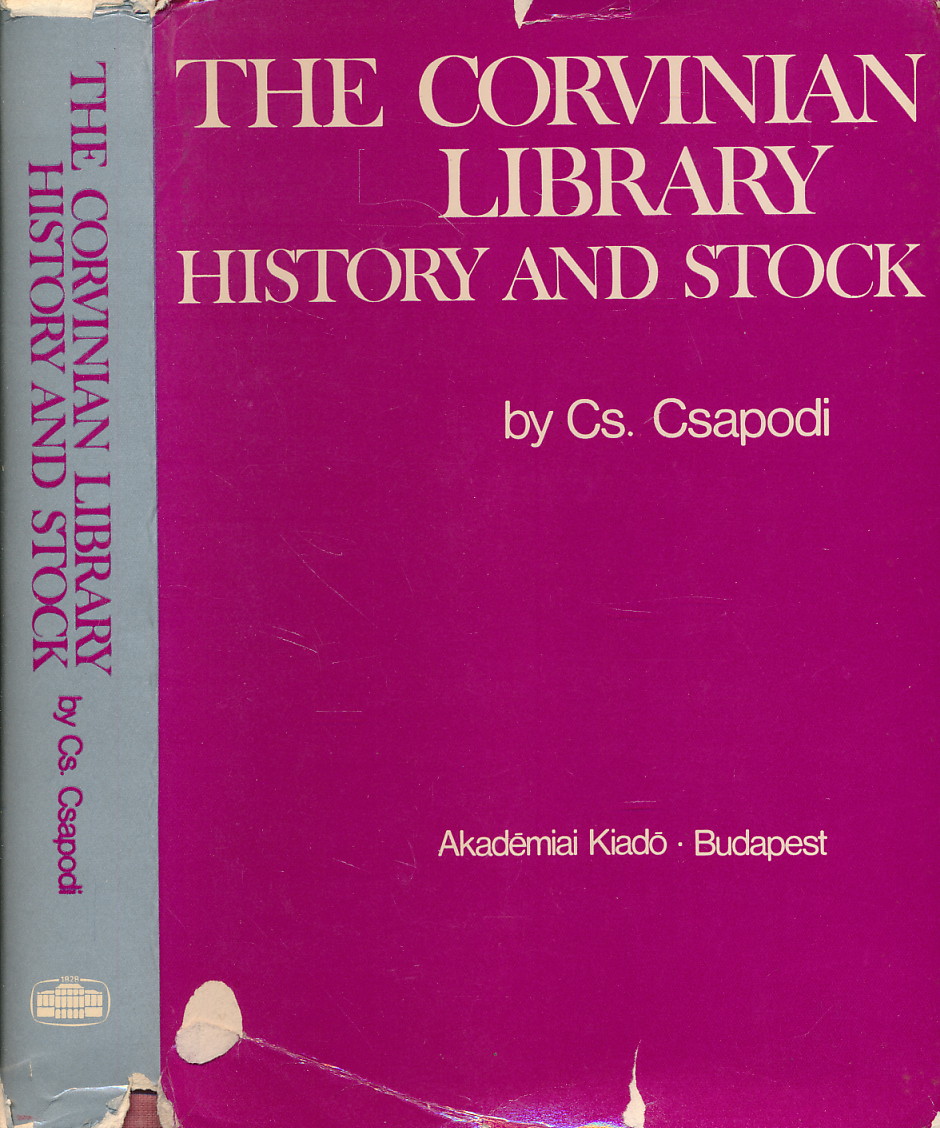
First English edition. Part of the Studia Humanitatis series. Translated by Imre Gombos. Revised translation by László András. The Bibliotheca Corviniana, founded by King Matthias Corvinus 1443 – 1490 in Buda, was reputed to contain one of the largest and most valuable collections in Europe. With the death of Matthias, its glory began to fade, and during the Turkish campaigns of 1526 most of its stock was plundered and dispersed. In this book, Csapodi provides, through strict source examinations, a full-scale representation of the Corviniana’s antecedents, stages of developments, size and composition of its stock, and dispersion. In so doing, he assesses its importance in European education. 516 pages. cloth, dust jacket. 8vo..
Rossi, Pietro Utopismo alle soglie del rinnovamento piemontese : Repubblica subalpina (1798/1799) / Piero Rossi Legnano : Landoni, 1977
ABOUT THIS BOOK: In this original and provocative book Russell Fraser has set himself no less a task than the description and interpretation of one of the signal “facts” of Western history—the breaking away of the present from the medieval past. He locates this break in England in the sixteenth century, and on the continent two hundred years earlier. Unafraid to synthesize, he weaves a rich fabric of quotations, allusions, and examples from art, music, philosophy, theology, and physical science to explain the cultural transition to the modern world. Although the author ranges from Plato to the present, his focus is concentrated on the major figures of the Middle Ages and the Renaissance, especially Shakespeare, “the last and greatest of medieval artists.” His intention is always to draw together and compare medieval. Renaissance, and contemporary attitudes so that the reader can see the past becoming the present, how and when this transformation occurred, and for what reasons.
Soho Bibliographies. Second edition, revised.
The Romantic Movement in Europe was both a revolt and a revival, a philosophy of life as well as of art. In the earliest expressions of romantic theory by Rousseau and Diderot, it is seen as a revolt against rationalism. In Great Britain and Italy it appears as a revolt against classicism, in Spain as a revival of the tradition of the Moorish courts, and in Germany, where it excited the greatest enthusiasm, as both a revolt against rationalism and a revival of the Gothic and Germanic. Despite the differences of aim and emphasis across Europe, Professor Cranston argues that romaticism was a European phenomenon, as universal as the Renaissance. He isolates its common features – liberty, introspection, and the importance of love; truth in the expression of feeling as much as of thought; nature seen as an object of devotion rather than scientific study; a tolerance of the grotesque coupled with an interest in the exotic, the primitive and the medieval; a concern for the value of intuition over ratiocination; and a preference for audacity over prudence. The Romantic Movement is part of the common European heritage, and its influence is by no means at an end. The book is the first to describe its philosophy, history, and cultural and artistic manifestations, and the ways these varied across the countries of Europe.