Using game theory and examples of actual games people play, Nobel laureate Manfred Eigen and Ruthild Winkler show how the elements of chance and rules underlie all that happens in the universe, from genetic behavior through economic growth to the composition of music. To illustrate their argument, the authors turn to classic games—backgammon, bridge, and chess—and relate them to physical, biological, and social applications of probability theory and number theory. Further, they have invented, and present here, more than a dozen playable games derived from scientific models for equilibrium, selection, growth, and even the composition of RNA. Manfred Eigen and Ruthild Winkler Translated by Robert Kimber Rita Kimber Collections: Princeton Science Library
Chronicles the true story of Aline Griffith, a beautiful young woman who was working as a model for Hattie Carnegie in New York when she was recruited for World War II espionage work in Spain. by Aline Griffith, Countess of Romanones (Author)
by John Swenehart (Author) Second printing.
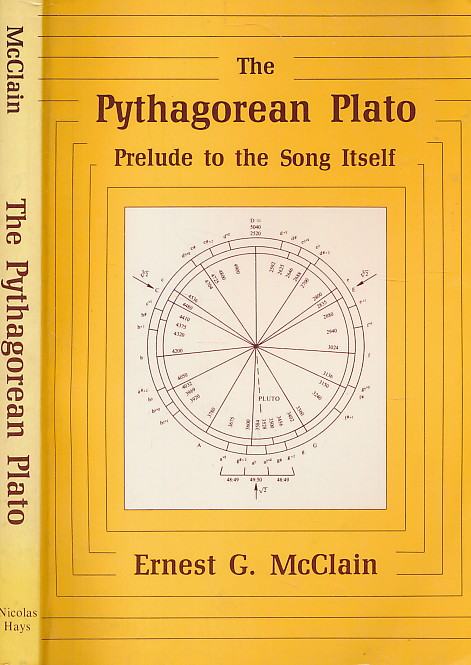
In essence, the book is pointing out that Plato borrowed a great deal from Pythagoras, more specifically his interest in harmony. The argument in the book is that Plato’s Dialogues are saturated in this cryptic harmony. The author caught on to occult symmetry in Plato’s writings, illustrating that the soul can be tuned to perfection just like an instrument and how the lives of societies even can be composed and performed like the perfect symphony.
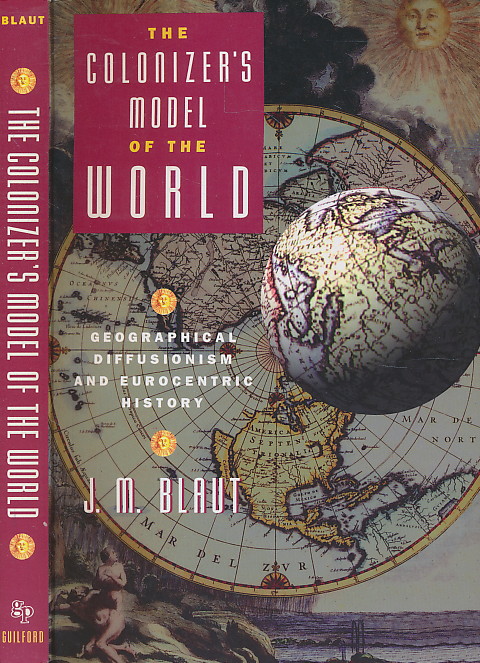
This influential book challenges one of the most pervasive and powerful beliefs of our time–that Europe rose to modernity and world dominance due to unique qualities of race, environment, culture, mind, or spirit, and that progress for the rest of the world resulted from the diffusion of European civilization. J. M. Blaut persuasively argues that this doctrine is not grounded in the facts of history and geography, but in the ideology of colonialism. Blaut traces the colonizer’s model of the world from its 16th-century origins to its present form in theories of economic development, modernization, and new world order.
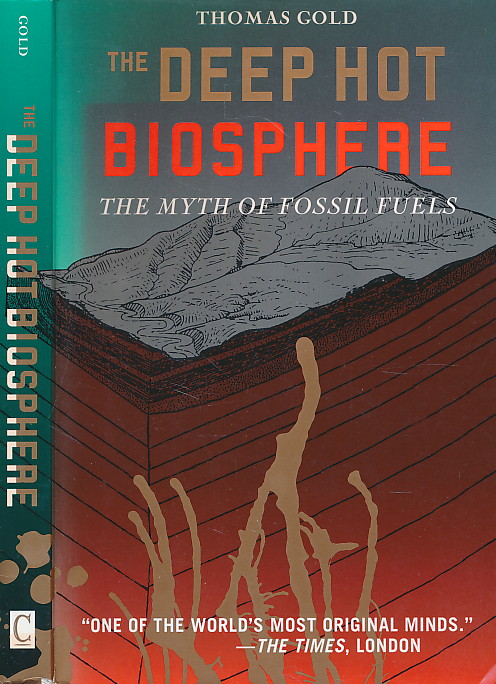
Suppose someone claimed that we are not running out of petroleum? Or that life on Earth began below the surface of our planet? Or that oil and gas are not fossil fuels? Or that if we find extraterrestrial life it is likely to be within, not on, other planets? You might expect to hear statements like these from an author of science fiction. But what if they came from a renowned physicist, an indisputably brilliant scientist who has been called one of the world’s most original minds? In the The Deep Hot Biosphere, Thomas Gold sets forth truly controversial and astonishing theories about where oil and gas come from, and how they acquire their organic signatures. The conclusions he reaches in this book might be at first difficult to believe, but they are supported by a growing body of evidence, and by the indisputabel stature and seriousness Gold brings to any scientific enterprise. In this book we see a brilliant and boldly orginal thinker, increasingly a rarity in modern science, as he developes a revolutionary new view about the fundamental workings of our planet. Thomas Gold is a member of the National Academy of Sciences, a Fellow of the Royal Society, and an Emertius Professor at Cornell University. Regarded as one of the most creative and wide-ranging scientists of his generation, he has taughtat Cambridge University and Harvard, and for 20 years was the Director of the Cornell Center for Radiophysics and Space Research.
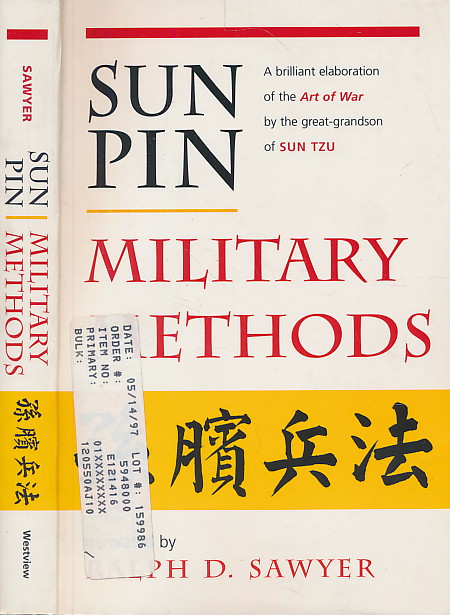
The enormous recent popularity in America of Sun-tzu’s Art of War has heightened awareness of the great Chinese tradition of writing on theory and practice of war. This tradition has always emphasized that warfare is as much the deployment of spiritual and mental forces as of combat forces, as much a matter of patience and attention as of brute strength. As a result, new generations of readers have found many of its precepts applicable to forms of struggle far from any actual battlefield.While it has brought this tradition greater exposure, the reception of Art of War threatens to overshadow and obscure the other significant texts that followed in its wake. Foremost among these is Military Methods of the Art of War, written in the fourth century B.C. by the purported great-grandson of Sun-tzu, the general Sun Pin. Military Methods is both an extension of the strategic philosophy of the earlier work and a development of a new strategic style–one that enabled Sun Pin to guide the armies of the province of Ch’i to decisive victories over their enemies in the battles of Kuei-ling and Ma-ling.Long believed lost, the text of Military Methods was recovered from a Han dynasty tomb in 1972. The salvaged original, fragmentary in nature, is divided into thirty-three sections covering such topics as unfavorable terrains, the origins of war, guest and host armies, male and female cities, and the ten strategic uses of cavalry. To bridge the gaps in the original, translator Ralph D. Sawyer, the leading authority on Chinese military history and its major texts, has provided extensive commentary and notes, as well as a detailed historical introduction.
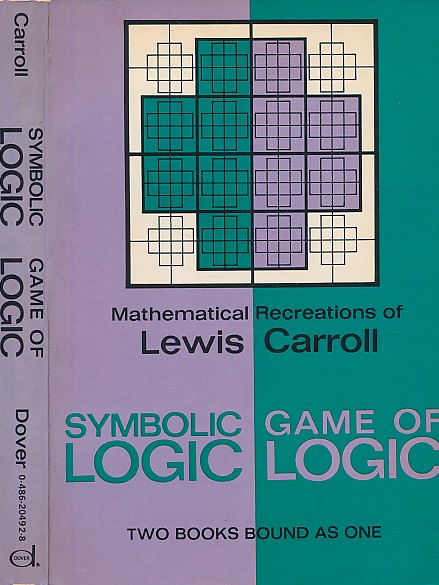
Yes, this is the Lewis Carroll who wrote Alice in Wonderland, and these two works show the same quirky humor. Here you see Carroll the mathematician at his playful best. Don’t let the title of the first work mislead you–this isn’t about modern symbolic logic but about ways of expressing classical logic with symbols. It’s loaded with amusing problems to delight any mathematical puzzler. In the second work he turns logic into a game played with diagrams and colored counters, giving you hundreds of challenging and witty syllogisms to solve. Great mind-stretching fun.
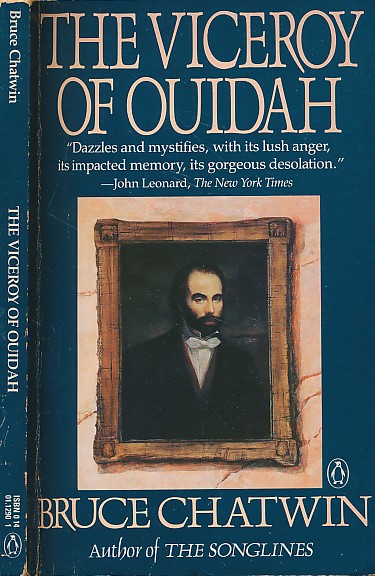
In 1812, Francisco Manoel da Silva, escaping a life of poverty in Brazil, sailed to the African kingdom of Dahomey, determined to make his fortune in the slave trade. Armed with nothing but an iron will, he became a man of substance in Ouidah and the founder of a remarkable dynasty. His one remaining ambition is to return to Brazil in triumph, but his friendship with the mad, mercurial king of Dahomey is fraught with danger and threatens his dream.
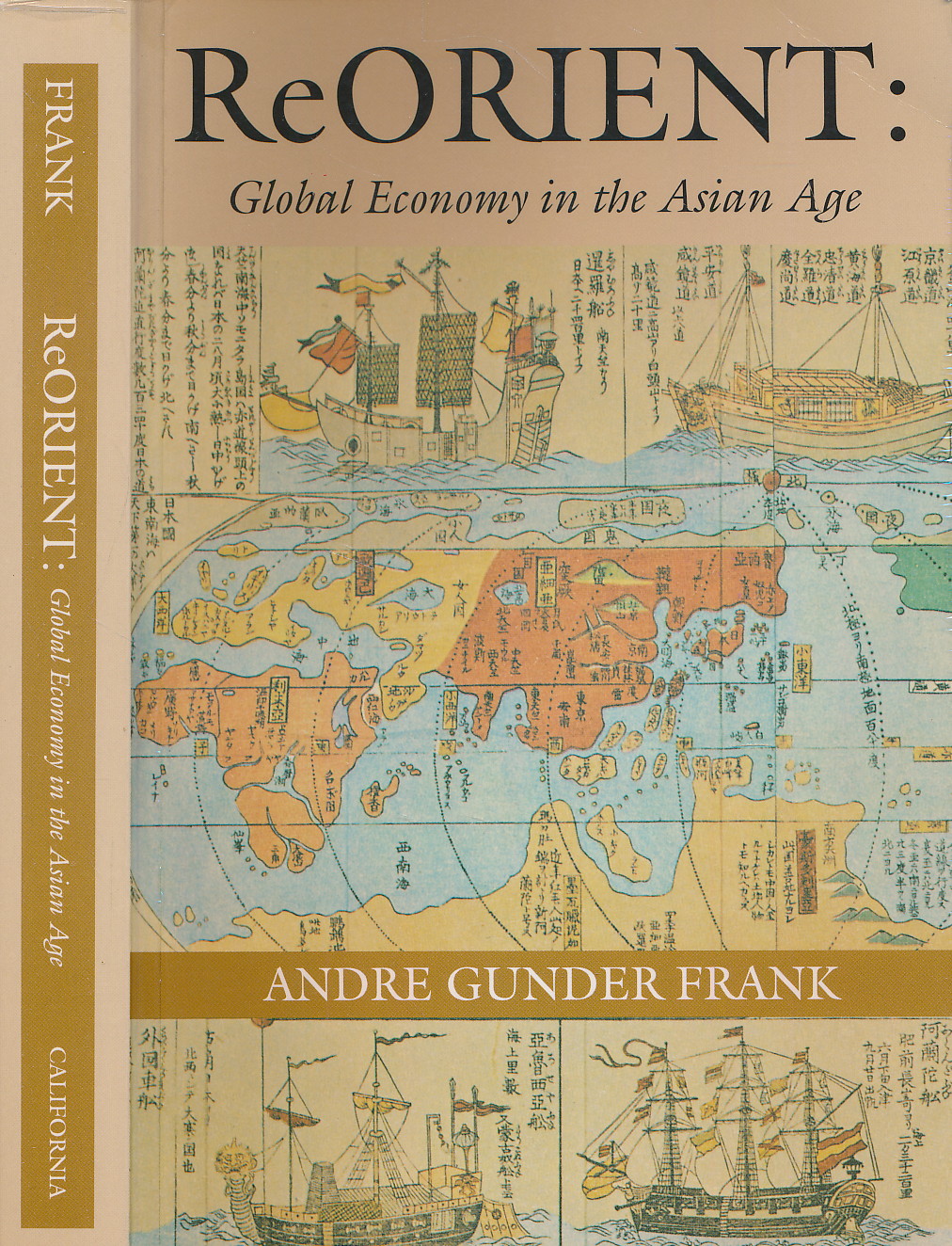
Andre Gunder Frank asks us to ReOrient our views away from Eurocentrism–to see the rise of the West as a mere blip in what was, and is again becoming, an Asia-centered world. In a bold challenge to received historiography and social theory he turns on its head the world according to Marx, Weber, and other theorists, including Polanyi, Rostow, Braudel, and Wallerstein. Frank explains the Rise of the West in world economic and demographic terms that relate it in a single historical sweep to the decline of the East around 1800. European states, he says, used the silver extracted from the American colonies to buy entry into an expanding Asian market that already flourished in the global economy. Resorting to import substitution and export promotion in the world market, they became Newly Industrializing Economies and tipped the global economic balance to the West. That is precisely what East Asia is doing today, Frank points out, to recover its traditional dominance. As a result, the center of the world economy is once again moving to the Middle Kingdom of China. Anyone interested in Asia, in world systems and world economic and social history, in international relations, and in comparative area studies, will have to take into account Frank’s exciting reassessment of our global economic past and future.
An engaging read, packed with cautionary tales … Heffernan shows why we close our eyes to facts that threaten our families, our livelihood, and our self-image – and, even better, she points the way out of the darkness. Daniel H. Pink, author of Drive and A Whole New Mind? Why, after every major accident and blunder, do we look back and ask, how could we have been so blind? Why do some people see what others don’t? And how can we change? Drawing on studies by psychologists and neuroscientists, and from interviews with business leaders, whistle blowers and white collar criminals, distinguished businesswoman and writer Margaret Heffernan examines the phenomenon of wilful blindness, exploring the reasons that individuals and groups are blind to impending personal tragedies, corporate collapses, engineering failures – even crimes against humanity. We turn a blind eye in order to feel safe, to avoid conflict, to reduce anxiety and to protect prestige. It makes us feel good at first, with consequences we don’t see. But greater understanding leads to solutions, and Heffernan shows how – by challenging our biases, encouraging debate, discouraging conformity, and not backing away from difficult or complicated problems – we can be more mindful of what’s going on around us and be proactive instead of reactive.
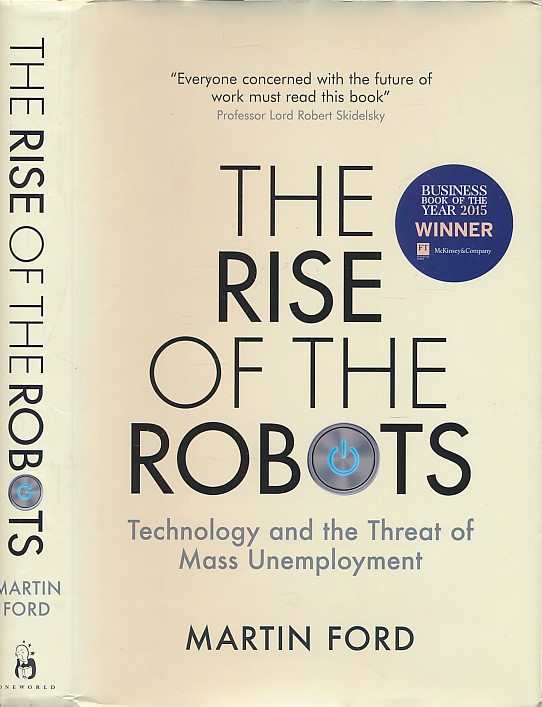
What are the jobs of the future? How many will there be? And who will have them? As technology continues to accelerate and machines begin taking care of themselves, fewer people will be necessary. Artificial intelligence is already well on its way to making good jobs obsolete: many paralegals, journalists, office workers, and even computer programmers are poised to be replaced by robots and smart software. As progress continues, blue and white collar jobs alike will evaporate, squeezing working — and middle-class families ever further. At the same time, households are under assault from exploding costs, especially from the two major industries-education and health care-that, so far, have not been transformed by information technology. The result could well be massive unemployment and inequality as well as the implosion of the consumer economy itself. The past solutions to technological disruption, especially more training and education, aren’t going to work. We must decide, now, whether the future will see broad-based prosperity or catastrophic levels of inequality and economic insecurity. Rise of the Robots is essential reading to understand what accelerating technology means for our economic prospects-not to mention those of our children-as well as for society as a whole.
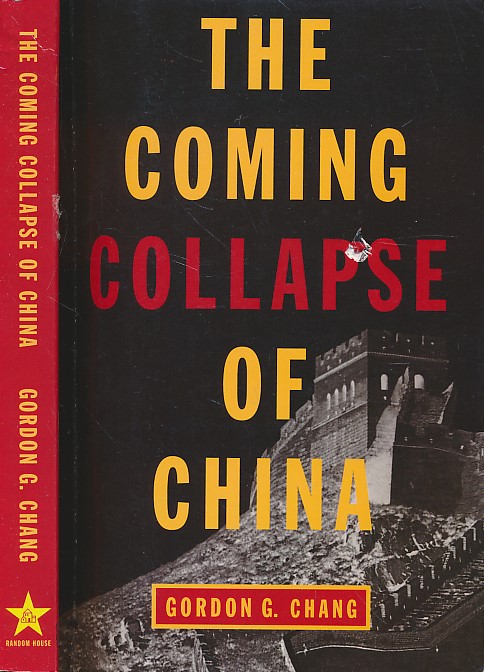
China is hot. The world sees a glorious future for this sleeping giant, three times larger than the United States, predicting it will blossom into the world’s biggest economy by 2010. According to Chang, however, a Chinese-American lawyer and China specialist, the People’s Republic is a paper dragon. Peer beneath the veneer of modernization since Mao’s death, and the symptoms of decay are Deflation grips the economy, state-owned enterprises are failing, banks are hopelessly insolvent, foreign investment continues to decline, and Communist party corruption eats away at the fabric of society. Beijing’s cautious reforms have left the country stuck midway between communism and capitalism, Chang writes. With its impending World Trade Organization membership, for the first time China will be forced to open itself to foreign competition, which will shake the country to its foundations. Economic failure will be followed by government collapse. Covering subjects from party politics to the Falun Gong to the government’s insupportable position on Taiwan, Chang presents a thorough and very chilling overview of China’s present and not-so-distant future.
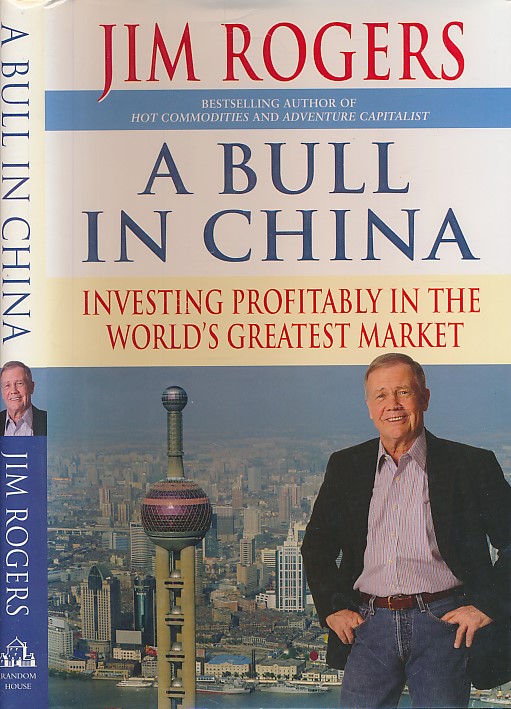
If the twentieth century was the American century, then the twenty-first century belongs to China. Now the one and only Jim Rogers shows how any investor can get in on the ground floor of the greatest economic boom since England’s Industrial Revolution. In this indispensable new book, one of the world’s most successful investors, Jim Rogers, brings his unerring investment acumen to bear on this huge and unruly land now being opened to the world and exploding in potential. Rogers didn’t just wake up a Sinophile yesterday. He’s been tracking the Chinese economy since he first went to China in 1984 in preparation for his round-the-world motorcycle trip and then again, later, when he saw Shanghai’s newly reopened stock exchange (which looked like an OTB office). In the decades that followed–especially in recent years, with the easing of Communist party financial dictates–the facts speak for The Chinese economy’s growth rate has averaged 9 percent since the start of the 1980s. China’s savings rate is over 35 percent (in America, it’s 2 percent). 40 percent of China’s output goes to exports (so there’s no crippling foreign debt). $60 billion a year in direct foreign investment, combined with a trade surplus, has brought Beijing’s foreign currency reserves to over $1 trillion. China’s fixed assets–ports, bridges, and roads–double every two and a half years. In short, if projections hold, China will surpass the United States as the world’s largest economy in as little as twenty years. But the time to act is now. In A Bull in China , you’ll learn what industries offer the newest and best opportunities, from power, energy, and agriculture to tourism, water, and infrastructure. In his trademark down-to-earth style, Rogers demystifies the state policies that are driving earnings and innovation, takes the intimidation factor out of the A-shares, B-shares, and ADRs of Chinese offerings, and encourages any reader to trust his or her own expertise (if you’re a car mechanic, check out their auto industry). A Bull in China also features fascinating profiles of Red Chip companies, such as Yantu Changyu, China’s largest winemaker, which sells a Healthy Liquor line mixed with herbal medicines. Plus, if you want to export something to China yourself–or even buy land there–Rogers tells you the steps you need to take. No other book–and no other author–can better help you benefit from the new Chinese revolution. Jim Rogers shows you how to make the amazing energy, potential, and entrepreneurial spirit of a billion people work for you.
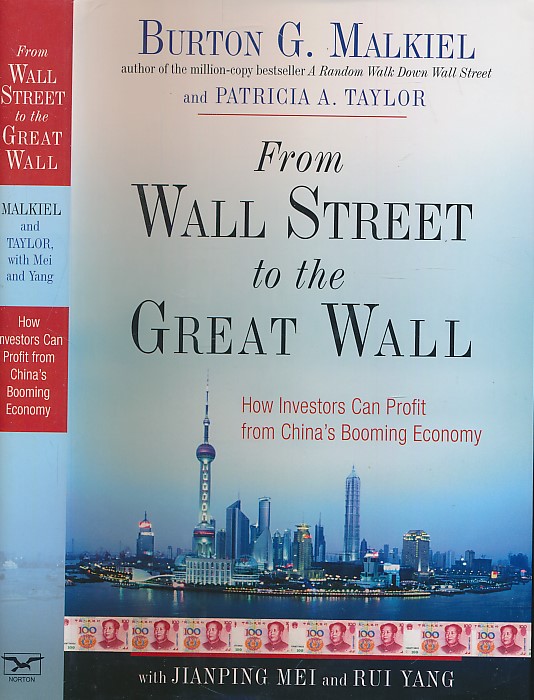
From the million-copy-selling author of A Random Walk Down Wall Street , the perfect guide to investing in the next economic giant. It is no secret that China has the world’s fastest-growing economy. The trick is how average investors can tap into the opportunities it affords. Burton G. Malkiel, longtime friend and adviser to ordinary investors through his great book A Random Walk Down Wall Street , now gives them China. In From Wall Street to the Great Wal l he explains why and how the Chinese economy is poised for significant gains in the near future. It highlights not only Chinese firms and industries but also multinationals in the United States and elsewhere that are likely to benefit from China’s explosive growth. Following this tour and analysis of investment opportunities in China, including the stock, commodities, real estate, and even art and collectibles markets, the book reviews these options and sets forth a grand strategy, including sample portfolios, for investing in China.
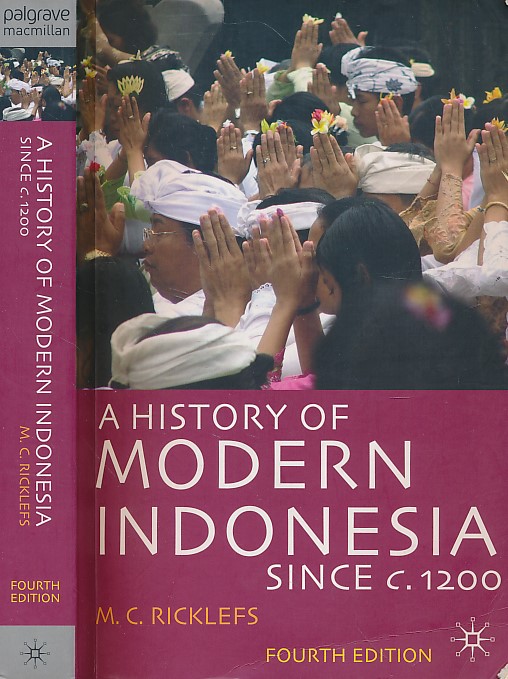
Recognized as the most authoritative general account of Indonesia, this revised and expanded fourth edition has been updated in light of new scholarship. New chapters at the end of the book bring the story up to the present day, including discussion of recent events such as the 2002 Bali terrorist bombings and the 2004 tsunami.
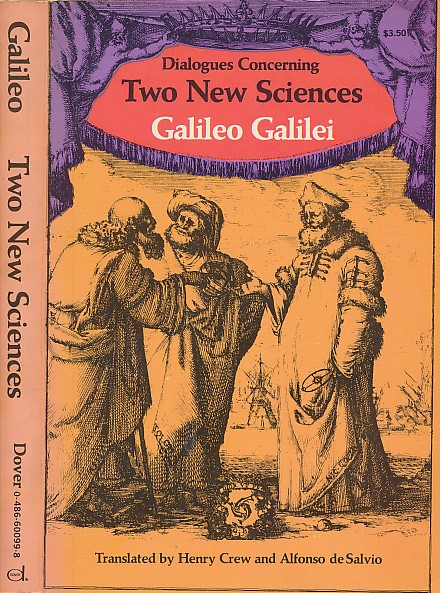
A treatise on physics in the form of a dialogue. It deals with how solid bodies resist fracturing, the behavior of bodies in motion, the nature of acceleration, and projectile motion.
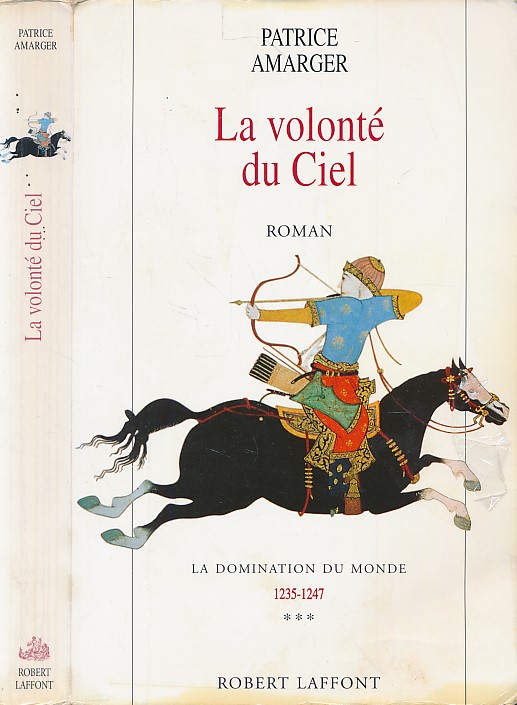
La domination du monde Troisieme epoque
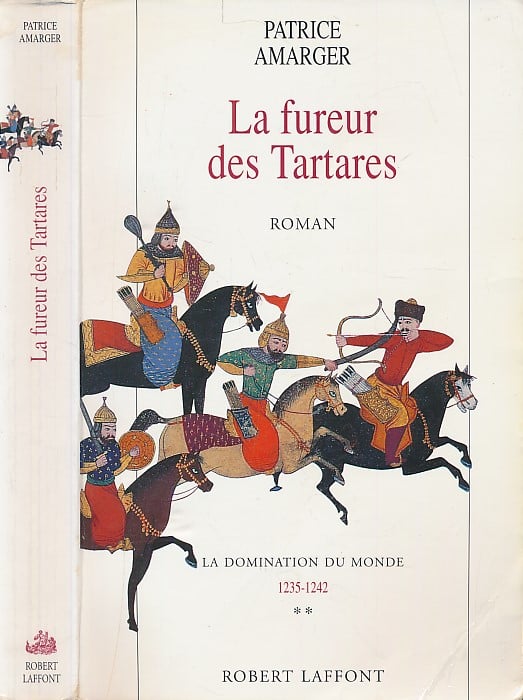
La domination du monde 1235 – 1242 Deuxieme epoque
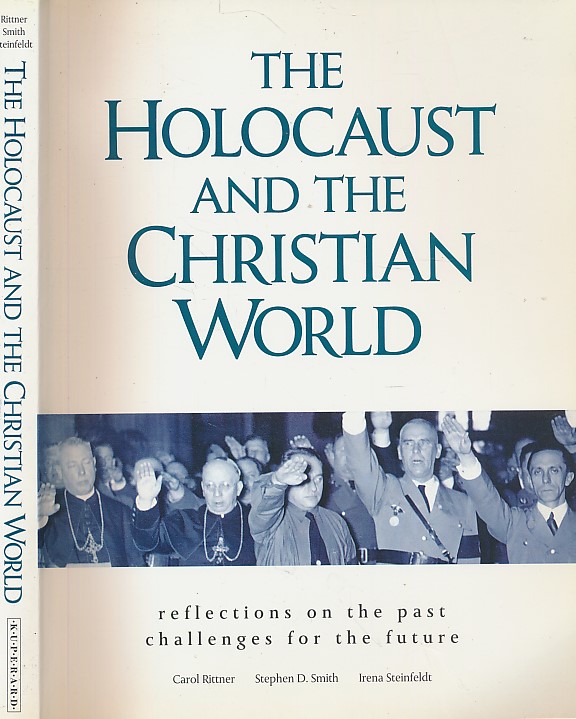
In the wake of Mel Gibson?s blockbuster movie The Passion of Christ, Christians have taken a hard look at their faith and the anti-Semitic interpretations of past generations. Guided by Christ?s selfless love, Christians from Catholics to Pentecostals often express the desire to understand the roots of their faith and, by extension, the Jewish experience. Particularly troubling for many is the Christian role in the Holocaust, the attempt by the Nazis to exterminate European Jewry from 1933?45. In this gripping book, Christian and Jewish scholars present essays that detail the world?s descent into the madness of anti-Semitism. Exploring the harmful effects of scholarly treatments of Scripture (minimizing or mythologizing the Jewish character of the Old Testament), Darwinian views of the races, and Hitler?s ghastly plans for the Final Solution (with widespread Christian silence), these essays give a brilliant overview while adding thoughtful detail. Includes timelines, resource lists, and Church statements regarding the Holocaust, the book is also packed with many archival photographs. Published in partnership with Yad Vashem, Israel?s Holocaust Museum, Jerusalem.
Already hailed as a masterpiece, Foundations of Language offers a brilliant overhaul of the last thirty-five years of research in generative linguistics and related fields. Few books really deserve the cliché ‘this should be read by every researcher in the field,’ writes Steven Pinker, author of The Language Instinct, But Ray Jackendoff’s Foundations of Language does. Foundations of Language offers a radically new understanding of how language, the brain, and perception intermesh. The book renews the promise of early generative linguistics: that language can be a valuable entree into understanding the human mind and brain. The approach is remarkably interdisciplinary. Behind its innovations is Jackendoff’s fundamental proposal that the creativity of language derives from multiple parallel generative systems linked by interface components. This shift in basic architecture makes possible a radical reconception of mental grammar and how it is learned. As a consequence, Jackendoff is able to reintegrate linguistics with philosophy of mind, cognitive and developmental psychology, evolutionary biology, neuroscience, and computational linguistics. Among the major topics treated are language processing, the relation of language to perception, the innateness of language, and the evolution of the language capacity, as well as more standard issues in linguistic theory such as the roles of syntax and the lexicon. In addition, Jackendoff offers a sophisticated theory of semantics that incorporates insights from philosophy of language, logic and formal semantics, lexical semantics of various stripes, cognitive grammar, psycholinguistic and neurolinguistic approaches, and the author’s own conceptual semantics. Here then is the most fundamental contribution to linguistic theory in over three decades.
Edited by Hanry Davidoff.
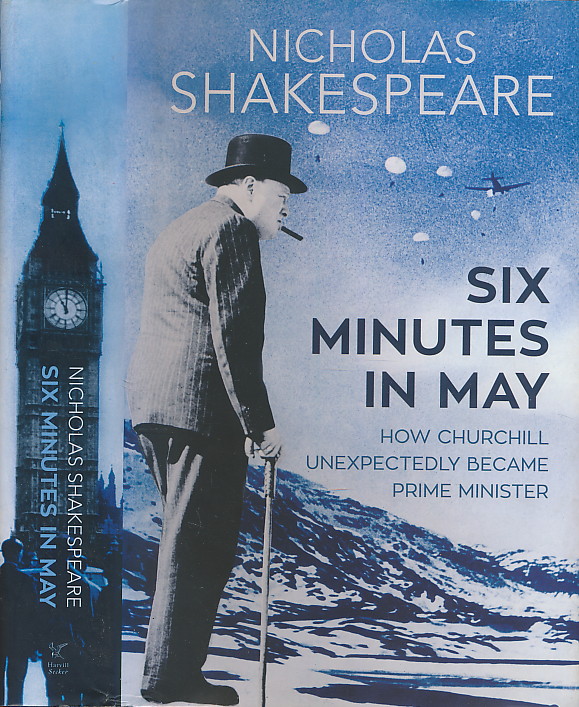
London, early May 1940: Britain is under threat of invasion and Neville Chamberlain’s government is about to fall. It is hard for us to imagine the Second World War without Winston Churchill taking over at the helm, but in SIX MINUTES IN MAY Nicholas Shakespeare shows how easily events could have gone in a different direction. Britain’s first land battle of the war was fought in the far north, in Norway. It went disastrously for the Allies and many blamed Churchill. Yet weeks later he would rise to the most powerful post in the country, overtaking Chamberlain and the favourite to succeed him, Lord Halifax. It took just six minutes for MPs to cast the votes that brought down Chamberlain. Shakespeare shows us both the dramatic action on the battlefield in Norway and the machinations and personal relationships in Westminster that led up to this crucial point. Uncovering fascinating new research and delving deep into the backgrounds of the key players, he has given us a new perspective on this critical moment in our history.