Uvijek iznova raste pjenušavo stablo bijelog vodoskoka Dubravka Ivančana je zbirka pjesama objavljena 1968. godine koja kroz poetske slike i simbole iz prirode, posebice stabala i bijelog vodoskoka, dočarava cikličnost života, trajnost i neprestanu obnovu. Ivančan u svom lirskom izrazu povezuje promatranje prirodnih fenomena s dubljim filozofskim pitanjima o životu, stvarajući tako djelo bogato detaljima i estetskom vrijednošću koje pronalazi ljepotu u stalnom rastu i preobražaju prirode. Ovom poezijom uspješno prenosi osjećaj stalnog obnavljanja i trajanja kao što to i sam naslov metaforički simbolizira.
Knjiga Vježbanje Yoge: Yama i Niyama autora Varme obrađuje temeljne etičke principe i moralne uvjete yoge iz indijske tradicije, posebno iz Patanjalijevih Joga Sutri. Yama se odnosi na pet pravila suzdržavanja (ne-povređivanje, ne-laganje, ne-krađa, seksualno suzdržavanje i nevezanost), dok Niyama predstavlja pet pravila pridržavanja (čistoća, zadovoljstvo, askeza, proučavanje svetih tekstova i predanost božanskom). Kroz ovu knjigu čitatelj se vodi u razumijevanju i praktičnom usvajanju ovih moralnih smjernica kao temelja za duhovni razvoj i integraciju principa yoge u svakodnevni život. Fokus je na samodisciplini i unutarnjoj vježbi koja vodi ka smirenju uma i sjedinjavanju s višom sviješću.
Ostali autori: Nada Eterović Opis: NAPOMENA: Svi rabljeni srednjoškolski udžbenici u ponudi na knjiga.hr webshopu su u vrlo dobrom stanju, a radne bilježnice nisu popunjavane. Za narudžbu srednjoškolskih udžbenika nije moguće ostvariti besplatnu poštarinu. Za najbržu i najsigurniju dostavu preporučamo kurirsku službu GLS, a važno je naručiti na adresu gdje će netko tijekom dana biti prisutan radi preuzimanja paketa. Srednjoškolski udžbenici dostupni na webshopu odražavaju pravo stanje zaliha u našem antikvarijatu, te ne vršimo rezervacije (sakupljanje udžbenika unaprijed). Rabljeni srednjoškolski udžbenici dolaze nam iz sata u sat, a otkupljujemo ih od sredine lipnja do kraja rujna. Ukoliko se ne nalazite u Rijeci možete nam ih poslati ili mi možemo na Vašu adresu poslati dostavnu službu GLS. Za sve upite obratite nam se emailom na info (at) knjiga.hr
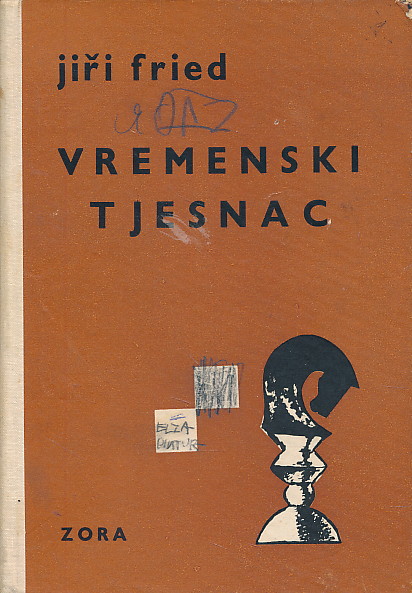
Opremila danica Rusjan. Četvrto izdanje.
“I have tried to treat the story of Yugoslavia, which lived for seventy-three years, as a human one,” Cohen writes in this masterly book, which, like Thomas L. Friedman’s From Beirut to Jerusalem and David Remnick’s Lenin’s Tomb, makes us eyewitnesses at the center of historic events. In the aftermath of the Cold War, the Bosnian conflict shattered the West’s confidence, reviving Europe’s darkest ghosts and exposing an America reluctant to confront or acknowledge an act of genocide on European soil. Through Cohen’s compelling reconstruction of the twentieth-century history that led up to the war, and his account of the war’s effect on everyday lives, we at last find the key to understanding Europe’s most explosive region and its peoples. “This was a war of intimate betrayals,” Cohen goes on to say, and in Hearts Grown Brutal, the betrayals begin in the family of a man named Sead. Through his search for his lost father, we relive the history of Yugoslavia, founded at the end of World War I with the encouragement of President Woodrow Wilson. Sead’s desperate quest is punctuated by the lies, half truths, and pain that mark other sagas of Yugoslavia. Through three more families—one Muslim-Serb, one Muslim, and one Serb-Croat—we experience the war in Bosnia as it breaks up marriages and sets relative against relative. The reality of the Balkans is illuminated, even as the hypocrisy of the international response to the war is exposed. Hearts Grown Brutal is a remarkable book, a testament to the loss of a multi-ethnic European state and a warning that the violence could return. It is a magnificent achievement that blends history and journalism into a profoundly moving human story.
Mostly religious in function, but preserving the classicism of Greco-Roman art, Byzantine buildings and art objects communicate the purity and certainties of the public face of early Christian art. Focusing on the art of Constantinople between 330 and 1453, this book probes the underlying motives and attitudes of the society which produced such rich and delicate art forms. It examines the stages this art went through as the city progressed from being the Christian center of the Eastern Roman Empire, to its crisis during attack from the new religion of Islam, to its revived medieval splendor and then, after the Latin capture of 1204 and the Byzantine reoccupation after 1261, to its arrival at a period of cultural reconciliation with East and West.
David Owen’s personal account, as European Community mediator, of how the international community failed to keep the peace in the breakdown of the former Yugoslavia. He incorporates his own experiences with details of formal attempts to bring about peace, including the Vance-Owen Plan.
y Bruce Gilley (Author), Andrew Nathan (Author) At the Chinese Communist Party’s 16th Congress in November 2002, a group of new leaders took over the world’s most populous country. Their accession as the Fourth Generation of rulers of the People’s Republic—following the generations of Mao Zedong, Deng Xiaoping, and Jiang Zemin—signaled the end of a long, complex struggle for power. Yet little has been known outside high Party circles about either that struggle or the men who emerged victorious from it. China’s New Rulers, based on confidential Party files leaked to a Chinese writer abroad, offers an unprecedented glimpse into the most orderly succession in the turbulent history of the People’s Republic. At its center are detailed descriptions of the nine men who will rule China for the next five years—their backgrounds, their characters, and their visions for the future. Among the challenges they will face are economic reform and China’s integration into a global economy, pressures for political liberalization and human rights, ethnic unrest in Tibet and Xinjiang, the status of Taiwan, and relations with the US.
by Donald J. Trump (Author), Meredith McIver (Author) Real estate titan, bestselling author, and TV impresario Donald J. Trump reveals the secrets of his success in this candid and unprecedented book of business wisdom and advice. Over the years, everyone has urged Trump to write on this subject, but it wasn’t until NBC and executive producer Mark Burnett asked him to star in The Apprentice that he realized just how hungry people are to learn how great personal wealth is created and first-class businesses are run. Thousands applied to be Trump’s apprentice, and millions have been watching the program, making it the highest rated debut of the season. In Trump: How To Get Rich, Trump tells all–about the lessons learned from The Apprentice, his real estate empire, his position as head of the 20,000-member Trump Organization, and his most important role, as a father who has successfully taught his children the value of money and hard work. With his characteristic brass and smarts, Trump offers insights on how to • invest wisely • impress the boss and get a raise • manage a business efficiently • hire, motivate, and fire employees • negotiate anything • maintain the quality of your brand • think big and live large Plus, The Donald tells all on the art of the hair! With his luxury buildings, award-winning golf courses, high-stakes casinos, and glamorous beauty pageants, Donald J. Trump is one of a kind in American business. Every day, he lives the American dream. Now he shows you how it’s done, in this rollicking, inspirational, and illuminating behind-the-scenes story of invaluable lessons and rich rewards.
Both a heart-racing adventure and an uplifting quest, Walking the Bible presents one man’s epic journey- by foot, jeep, rowboat, and camel- through the greatest stories ever told. From crossing the Red Sea to climbing Mount Sinai to touching the burning bush, Bruce Feiler’s inspiring odyssey will forever change your view of history’s most legendary events. The stories in the first five books of the Bible, also known as the Torah, come alive as Feiler searches across three continents for the stories and heroes shared by Christians and Jews. You’ll visit the slopes of Mount Ararat, where Noah’s ark landed, trek to the desert outpost where Abraham first heard the words of God, and scale the summit where Moses received the Ten Commandments. Using the latest archeological research, Feiler explores how physical location affects the larger narrative of the Bible and ultimately realizes how much these places, as well as his experience, have affected his faith. A once-in-a-lifetime journey, Walking the Bible offers new insights into the roots of our common faith and uncovers fresh answers to the most profound questions of the human spirit.
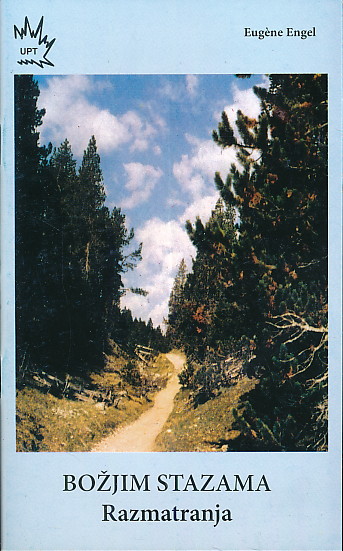
Naš životni put nije širok niti u jednom pravcu! Nije poput autoputa rasvjetljen danju i noću neonskim svjetlima. Naš put je staza, obično bez znakova, kamenita staza, koja ide sad ravno, sad krivudavo, s izrovanim okukama, katkad glibava ili prašinava staza, ponekad u sjeni drveća, ponekad sunčana i mučna. Ali vodi, unatoč svega, unatoč pljuska i oluje, sijevanja i grmljavina, svome kraju, vodi kući, vodi k smirenju i odmoru. Bože, takave su Tvoje staze, po kojima me vodiš k Sebi.
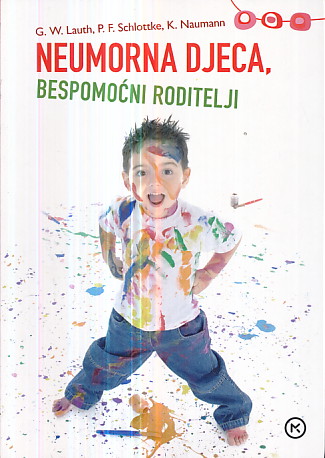
Lauth, Schlottke i Naumann
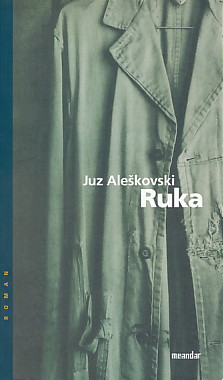
Juz Aleškovski (pravo ime Josif Efimovič, rođen u Krasnojarsku 1929. godine) je jedan od najznačajnijih ruskih književnika 20. stoljeća koje se u sovjetskoj stvarnosti povezivalo isključivo s disidentstvom. Njegovim ponajboljim ostvarenjem kritika drži roman Ruka (1980), koji kroz osobu bivšeg boljševičkog krvnika realizira metaforu o komunizmu kao očitovanju posvemašnjeg sotonizma.