Gloria Vanderbilt has written a memoir like no other — as engaging and unlikely as if a storybook figure were suddenly to speak, revealing at long last events of which we have only dreamed. The metaphor is appropriate, for Vanderbilt had indeed been a storybook figure, the object of intense curiosity and speculation since her birth. From Newport to Paris, Monte Carlo, Biarritz, London and New York, young Gloria traveled with her mother. It would seem to be the life of a fairytale princess. Then scandal and a bitter suit for her custody shattered the dream world in which she lived.
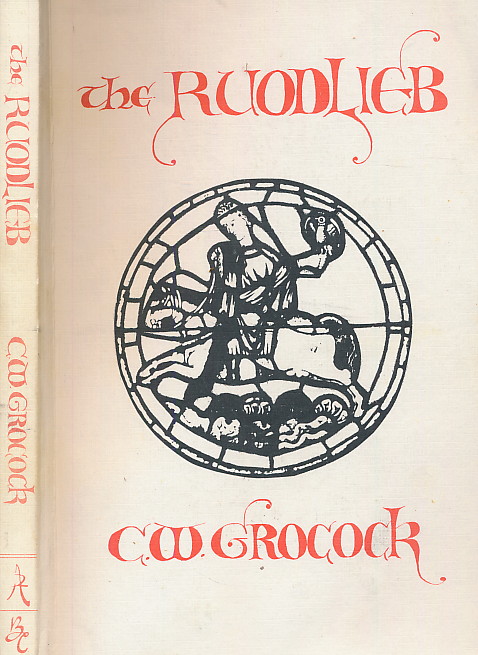
The Ruodlieb, an anonymous narrative poem dating from the 11th century, is widely acknowledged to be one of the most interesting pieces of Latin literature to have survived from the Middle Ages, albeit in a fragmentary state. The poem describes the fortunes of a young knight in a foreign country and on his return home, embodies many features both of medieval Latin epic and of vernacular works such as the Nibelungenlied, looking forward in many aspects to the courtly romances of Chretien de Troyes. It thus stands in both Latin and vernacular traditions, and is consequently of great interest not only to the medieval Latin specialist but also to the student of medieval literature and culture in general. The text is based on a fresh examination of the existing manuscript fragments, and takes into account all previous editions: an apparatus criticus is appended. The introduction tackles questions of date and provenance, grammar, metre and literary background, whilst the commentary deals with points of philological, literary and cultural interest. Latin text with facing-page English translation, introduction and notes.
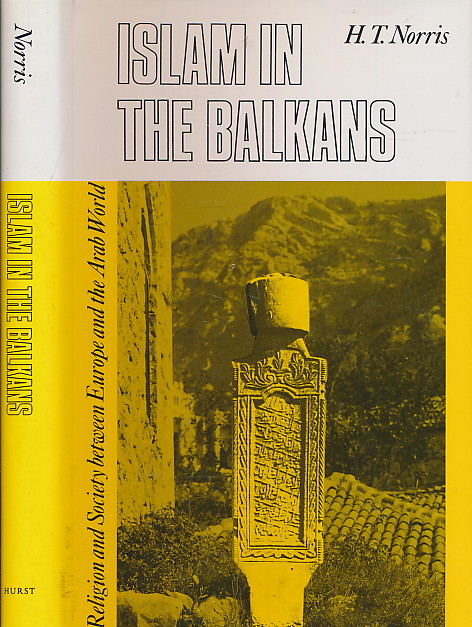
The tragic events that began to unfold in the former Yugoslavia at the beginning of the 1990s have drawn the world’s attention to the history and rich culture of the Muslim communities of Bosnia especially, but also of Albania, Kosovo and Macedonia – the historic heartland of Muslim Europe. Here H. T. Norris breaks new ground by focusing on their religious and intellectual links with the Arab world, Persia and Central Asia, whereas the few previous publications on the subject have been mostly concerned with the more obvious links between the Balkan Muslims and the Turks. Norris illustrates from a wide range of sources the many channels through which the Arabs and Persians were linked with Balkan peoples, especially after the Ottoman conquest, in their art, architecture, literature and religion – direct contacts were also forged through Sufism. From the earliest times, also, many Balkan Muslim soldiers and bureaucrats, as well as scholars and poets, made an impact on the wider Islamic world, the most prominent being Mohammed Ali, the founder of modern Egypt. The resurgence of Muslim identity in Bosnia-Hercegovina and Kosovo has of course much to do with the aggressive nature of Serbian nationalism. But it is also a legacy of the region’s relations over many centuries with the Arab countries and Persia, now given a new meaning in the wake of Serbian attempts to ‘cleanse’ Sarajevo and other cities of their Muslim inhabitants. As the wider world has become aware, for the first time in several generations, of the phenomenon of Muslim Europe, many people of all persuasions now want to know and understand more about it, and the forces which have been tearing ancient communities apart and threatening a wider conflagration. Up till now, the sources available to them have been largely concerned with power politics, economics and demography. H. T. Norris’s cultural investigation, the fruit of many years’ research, corrects this imbalance.
An unauthorised biography based on first hand information, with a postscript by Mr. Shaw. Pp. xxvi+430, frontispiece portrait plus 9 plates.
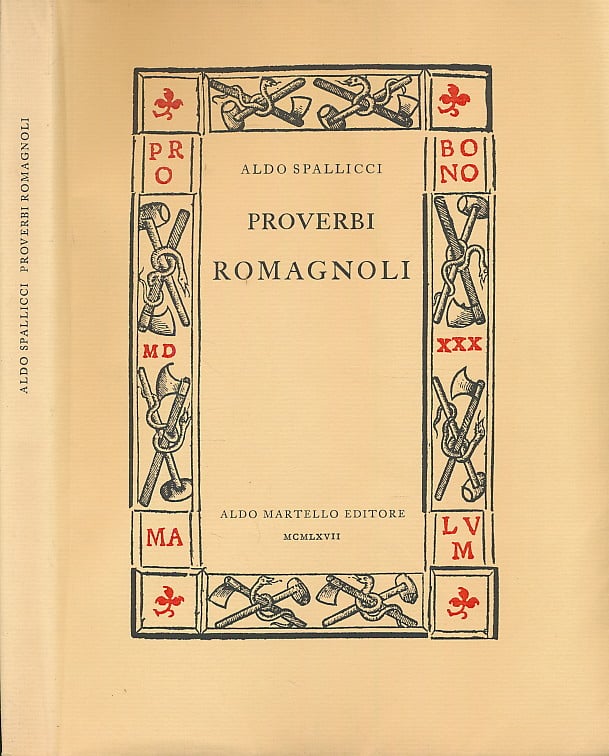
Il dialetto romagnolo e ruvido, si tratta di una lingua particolare, da parlare in casa, refrattaria, nel suo scontroso pudore, ad essere usata con estranei, come invece avviene per altre parlate regionali. In questa raccolta di proverbi romagnoli, emerge l’indole di una popolazione che vuole godersi in pieno la vita… Rémin da navaghe, Cesena da cante, Furle da balle, Ravena da magne, Fenza da lavure, Luugh da imbruje, Jemula… da fe l’amor. (Rimini da navigare, Cesena da cantare, Forli da ballare, Ravenna da mangiare, Faenza da lavorare, Lugo da imbrogliare, Imola… per fare all’amore). Un’autorevole introduzione precede la raccolta dei proverbi romagnoli, suddivisi per temi (”amore”, ”donna”, ”matrimonio” e cosi via) e arricchiti da splendide incisioni antiche e da alcune tavole a colori fuori testo.
En 1420, maître Chiquart écrit pour le duc de Savoie un traité intitulé Du fait de cuisine. C’est la seule version connue a ce jour de l’organisation d’un banquet au Moyen Age. En l’honneur d’Amédée VIII, le maître queux réalisera en trois jours de réjouissances pres de quatre-vingts recettes. Nous avons traduit, commenté et adapté pour les gourmets d’aujourd’hui ce concentré de science et d’art qui sommeillait dans les archives d’une bibliotheque. On y découvre un art de vivre ou les recettes festives côtoient un poeme contre la maladie, ou la tradition, telle la rose du roman, laisse éclore ses inventions. Si des recettes a base de pierres précieuses font appel a l’imaginaire médiéval, la plupart de ces délices courtois aux accents méditerranéens sont réalisables par tous. A l’aube de la Renaissance culinaire, la cuisine du château de Ripaille fleure bon le vin clairet, les herbes du jardin et les épices d’Orient.
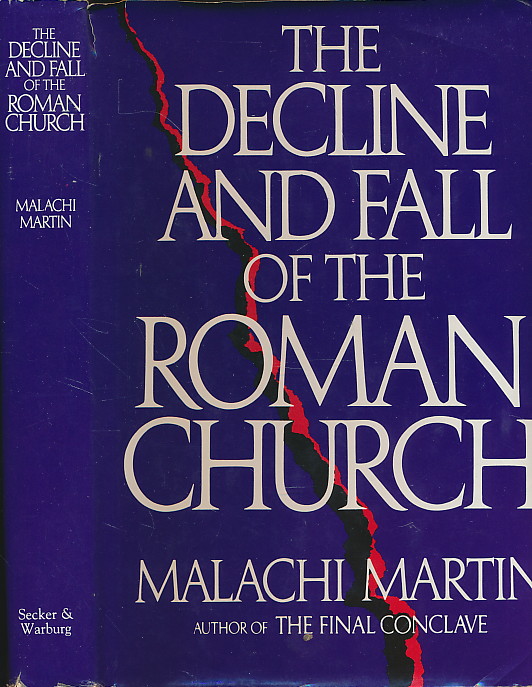
A provocative examination of the Roman Catholic Church’s historical dilemma involving the conflicting claims of spirit and secular power builds to an exploration of the church’s current dangers and weaknesses.
Römische Geschichte. 1. Band: Bis zur Schlacht von Pydna. Mit einer Militärkarte von Italien. I Erste Band 942 p. 1881. II Zweiter Band und Dritter Band 463+708 p. 1881, 1882. Siebente auflage.
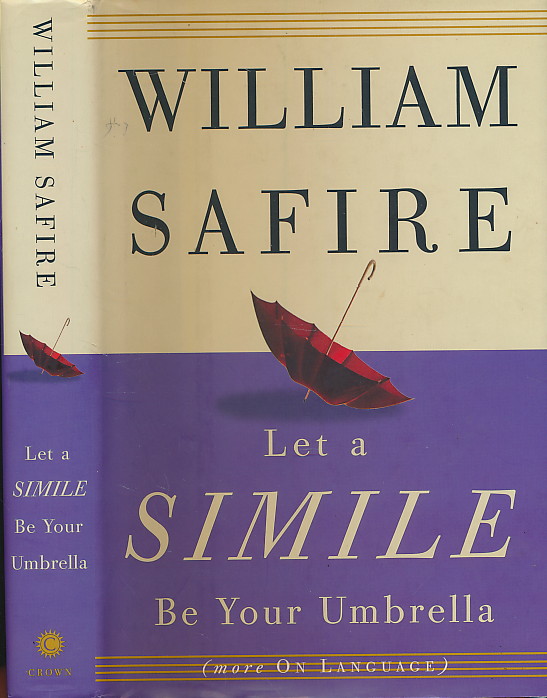
William Safire, America’s favorite writer on language, offers a new collection of pieces drawn from his nationally syndicated “On Language” column. Laced with liberal (a loaded word, but apt) doses of Safire’s wit, these pieces search culture (high and low), politics, entertainment, and the word on the street to explore what the old but livelier-than-ever English language has been up to lately. With a keen wit and a sure grasp of usage, Safire dissects trends and traces the origins of colloquialisms that have become second nature to most Americans. He examines everything from whether one delivers “a punch on or in the nose” when offended to whether a disgraced politician should “step down,” “step aside,” or “stand down.” Safire gives us the answers to these and many more quandaries, questions, and complexities of our contemporary lexicon. As always, Safire is aided by the Gotcha! Gang and the Nitpickers League–readers who claim to have found the language maven making flubs of his own. His comments and observations create a spirited, curious, and scholarly discussion showing that William Safire and his readership are wise in the way of words.
The small nation of Serbia is plunged into the violent turmoil of World War I and valiantly fights for survival.
Dominoes English Learning. Level One
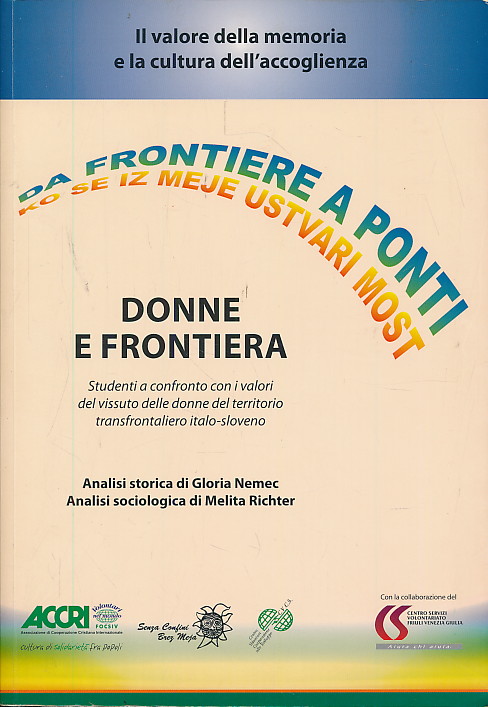
Studenti a confronto con i valori del vissuto delle donne del territorio transfrontaliero italo-sloveno. Dijakinje in dijaki se soočajo z vrednotami življenja žensk na italijansko-slovenskom čezmejnem območju.
Hary’s Wallace is a late fifteenth-century poem in twelve books, recounting the deeds of William Wallace, a leader of the Scots in the First War of Independence. It is an extraordinary and sophisticated piece of work which creates scenes of immense sensual and symbolic intensity to underpin a narrative of Wallace’s heroism in the face of struggle, disloyalty and betrayal. Hary draws on other Scottish material, particularly John Barbour’s Bruce and Walter Bower’s Scotichronicon, to structure his hero’s activities, and he uses Chaucerian forms, including the five-stress couplet, to enrich his account and appeal to his contemporary audience. While the poem is best known as the ultimate source for the 1995 film Braveheart, it offers a richer and more complex version of Wallace’s career and his contribution to the First War of Independence. By Matthew P. McDiarmid (Editor), James A. C. Stevenson (Editor
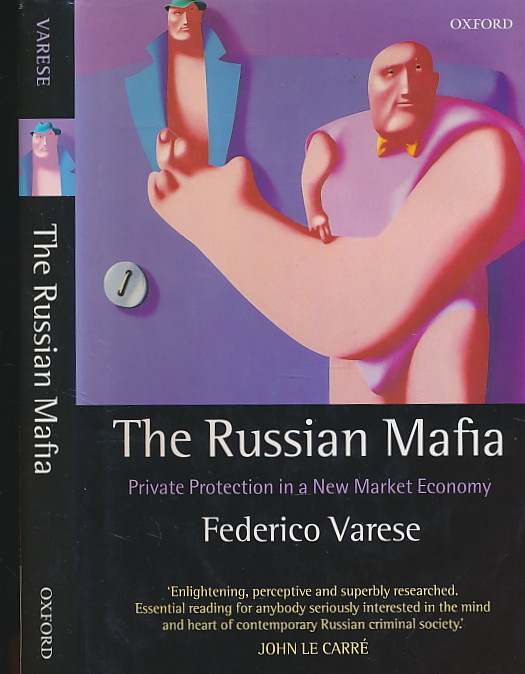
Challenging widely held views, this book presents a thorough account of the Russian Mafia. It charts the emergence of the group in the context of the transition to the market, the privatization of protection, and pervasive corruption. It includes reports of undercover police operations, in-depth interviews conducted over several years with the victims of the Mafia, criminals and officials, and documents from the Gulag archives. It also provides a comparative study, making references to other Mafia, such as the Japanese Yakuza, the Sicilian Cosa Nostra, and the American-Italian Mafia.
2 Bände in einem Buch: Georg Kennan: (erster und zweiter Teil) UND Kraszewski: Hetmanssünden. Ein Zeitbild aus dem Ende des achtzehnten Jahrhunderts. Kennan, Georg ( George ) / Jósef Ignacy Kraszewski – D. Haek, Philipp Löwenstein (Übers.): Verlag: Philipp Reclam jun., Leipzig o.J [um 1886]. ++ George Kennan (* 16. Februar 1845 in Norwalk, Ohio; † 10. Mai 1924 in Medina, New York) war ein US-amerikanischer Forschungsreisender und Ethnologe.

In a stunning indictment, best-selling author Naomi Wolf lays out her case for saving American democracy. In authoritative research and documentation Wolf explains how events parallel steps taken in the early years of the 20th century’s worst dictatorships such as Germany, Russia, China, and Chile. The book cuts across political parties and ideologies and speaks directly to those among us who are concerned about the ever-tightening noose being placed around our liberties. In this timely call to arms, Naomi Wolf compels us to face the way our free America is under assault. She warns us–with the straight-to-fellow-citizens urgency of one of Thomas Paine’s revolutionary pamphlets–that we have little time to lose if our children are to live in real freedom. Recent history has profound lessons for us in the U.S. today about how fascist, totalitarian, and other repressive leaders seize and maintain power, especially in what were once democracies. The secret is that these leaders all tend to take very similar, parallel steps. The Founders of this nation were so deeply familiar with tyranny and the habits and practices of tyrants that they set up our checks and balances precisely out of fear of what is unfolding today. We are seeing these same kinds of tactics now closing down freedoms in America, turning our nation into something that in the near future could be quite other than the open society in which we grew up and learned to love liberty, states Wolf. Wolf is taking her message directly to the American people in the most accessible form and as part of a large national campaign to reach out to ordinary Americans about the dangers we face today. This includes a lecture and speaking tour, and being part of the nascent American Freedom Campaign, a grassroots effort to ensure that presidential candidates pledge to uphold the constitution and protect our liberties from further erosion. The End of America will shock, enrage, and motivate–spurring us to act, as the Founders would have counted on us to do in a time such as this, as rebels and patriots–to save our liberty and defend our nation.
Ex libris : Sir Charles Bruce Locker Tennyson CMG (8 November 1879 – 22 June 1977) was a grandson of the poet Alfred, Lord Tennyson, a civil servant, an industrialist, and an academic of his grandfather.
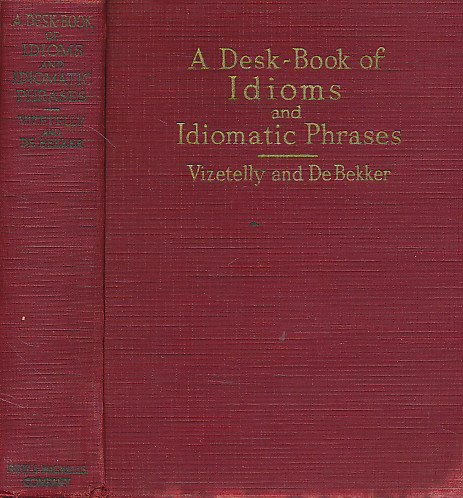
A Desk-book of Idioms and Idiomatic Phrases in English Speech and Literature by Frank H. Vizetelly . And Leander J. De Bekker Francis Horace Vizetelly Published by Funk & Wagnalls company, 1923
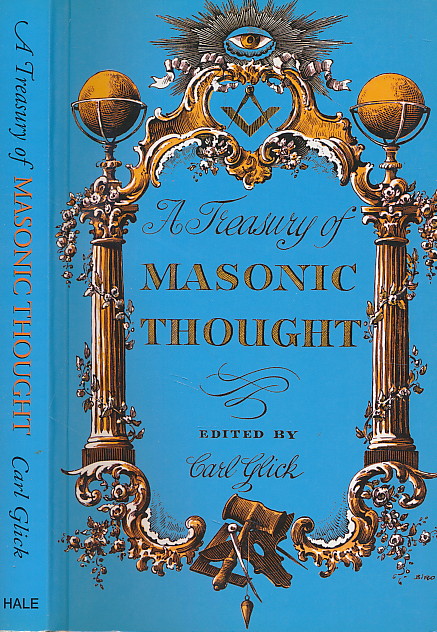
First published over 40 years ago, this complete collection of prose and poetry embodying the fundamental truths of Freemasonry is now reissued by popular demand. Designed for every man who belongs to a Masonic lodge, it gives in essence the universal teachings and philosophy of the Masonic Order. Topics include wisdom, strength, beauty, the brotherhood of man, and the builders, to name but a few.