Oznaka:
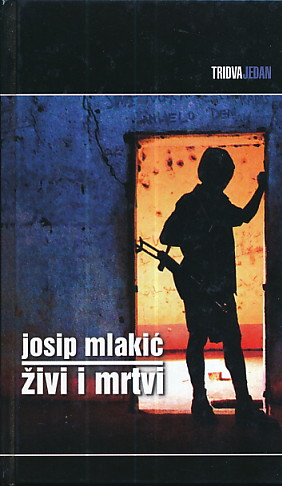
Živi i mrtvi
Gospođica
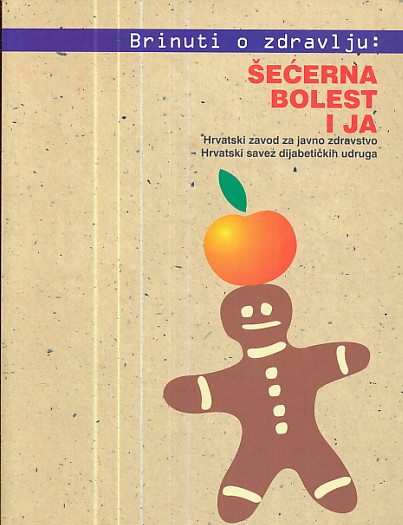
Šećerna bolest i ja
Bijeg iz harema
U sjenci smrti
U drugom braku
Očima ljubavi

Soneti
Prepjevao Luko Paljetak.
Posljednja godina rata
Elise Sontag tipična je četrnaestogodišnjakinja iz Iowe 1943. godine koja nije previše svjesna rata koji odjekuje s druge strane oceana. Međutim, kad vlasti uhite njezina oca pod sumnjom da je simpatizer nacista, iako već gotovo dva desetljeća živi u Americi, cijela Elisina obitelj je poslana u internacijski logor u Teksasu gdje se, iza bodljikave žice i naoružanih stražara, Elise osjeća kao da joj oduzeto sve što je voljela i imala, uključujući i vlastiti identitet. Jedino što joj logor čini podnošljivim je upoznavanje logorašice Mariko Inoue, japansko-američke tinejdžerice iz Los Angelesa, čije prijateljstvo omogućuje Elise da povjeruje da će jednom opet živjeti životom kakav je poznavala prije rata. Elise i Mariko se u divljini pustinje zajedno čvrsto drže za američki san o mladim djevojkama koje same stvaraju svoju budućnost. Nakon godine dana, obitelj Sontag je jedna od tisuću obitelji koja je poslana natrag u Njemačku, kako bi bih razmijenili za Amerikance zarobljene iza neprijateljskih linija. U toj razornoj ratnoj blizini u kojoj se odjednom zatekne, Elise mora otkriti ima li volje uzdići se iznad predrasuda i mržnje te ponovno uzeti sudbinu u svoje ruke…
Američki trbušni ples
Nekoliko sati nakon što se razvela od tupoglavog i ograničenog muža, Dorissa Femunelli leži na vrućem asfaltu njujorške Zapadne 15. ulice i čeka da je pregazi ogromni teretnjak. Život za nju više nema smisla – ali u tom presudnom trenutku ona ugleda neonsku reklamu koja poziva na učenje trbušnog plesa…
Tjelesno vježbanje za bolesnike od šećerne bolesti
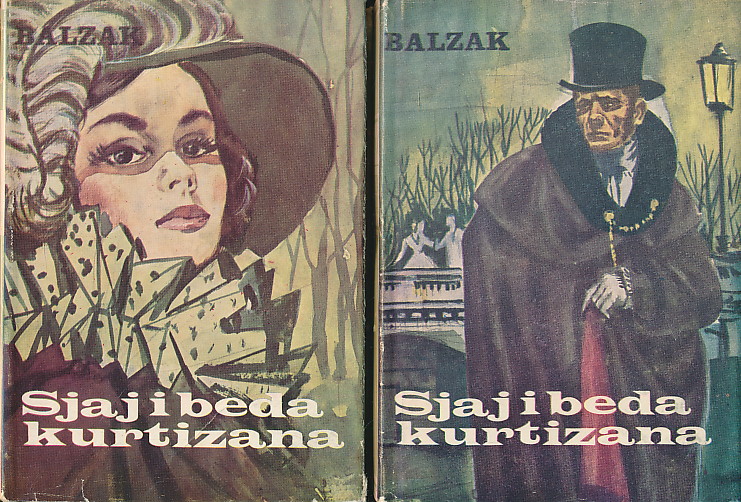
Sjaj i beda kurtizana 1-2
Raspukline
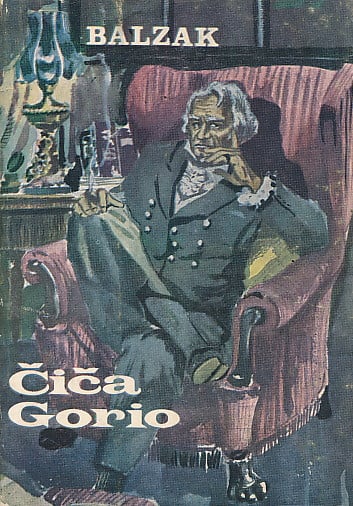
Čiča Gorio
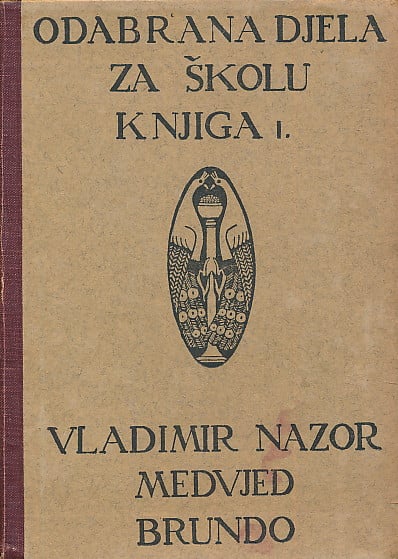
Medvjed Brundo
Odabrana djela za školu : knjiga I. Životinjski ep u 5 pjevanja. II. (dotjerano) izdanje. Tiskom Boranića i Rožmanića.
Organ Works of Bach
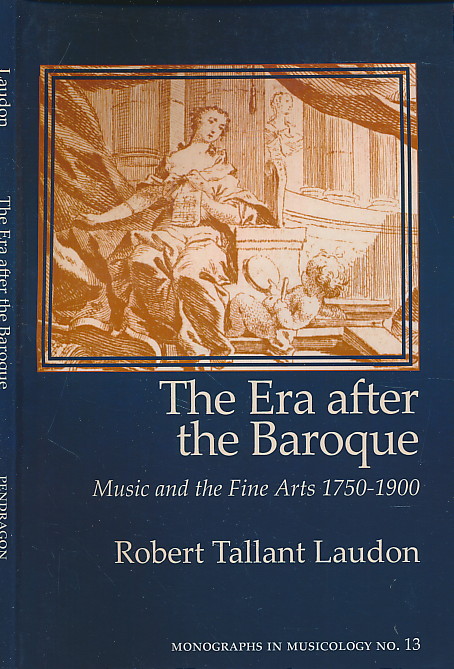
The Era After the Baroque: Music and Fine Arts, 1750-1900
(Monographs in Musicology) Paperback – April 8, 2008 by Robert Tallant Laudon (Author) What shall we call the era in Western music history from 1750 to 1900? Listeners and scholars alike treasure the works of its great composers: Mozart, Beethoven, Chopin, Wagner, Tchaikovsky. A powerfully symbolic name, though analogous to baroque for the previous era still eludes us. We refer constantly to two trends, classical and romantic, which have substantive meaning for various composers’ orientations and for ways of performing the music. But these two terms whether understood as indicating consecutive or overlapping trends do not plainly suggest the two main events of the age: the Industrial Revolution, and the democratic political upheavals of 1776, 1789, and 1848. Also, they do not acknowledge an emerging sense of humanity or the excitement of a passionate audience seeking recognition and expression. Laudon’s Era after the Baroque proposes a powerful symbol for the new era while at the same time keeping traditional terminology intact. It looks at the age in a primarily positive manner while still acknowledging its darker aspects. In particular, it evokes the sphere of the newly recognized system of fine arts and therefore has resonances for the visual and literary arts in addition to its primary focus on music. The Era After the Baroque advances an expressive ideal that is traced in both vocal and instrumental music during that century and a half. It stresses that music was not an art unique and set apart but rather participated in the great dissemination of education and artistic opportunity that was then emerging in the context of an increasingly human-centered concept of freedom.
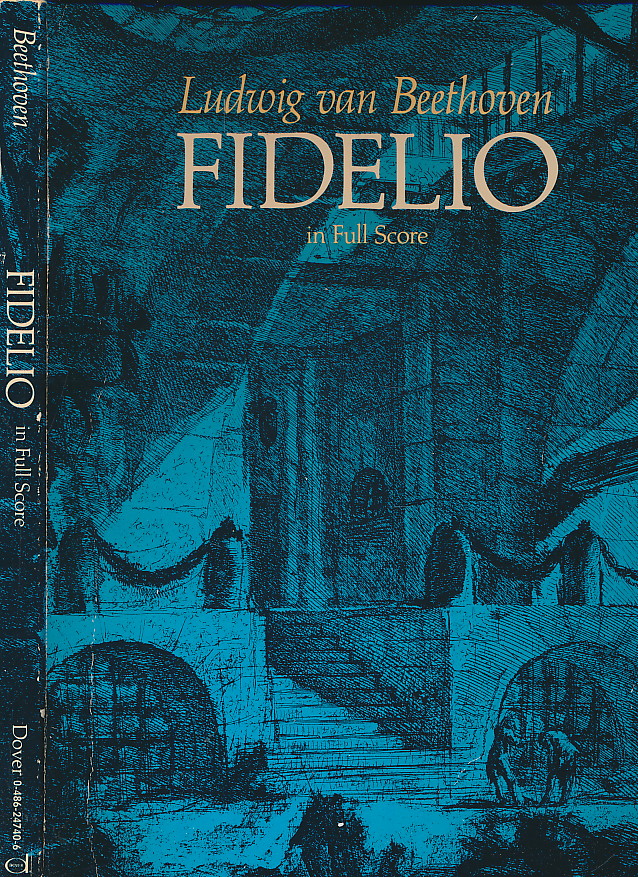
Fidelio in Full Score
(Dover Opera Scores) Paperback – November 1, 1984 by Ludwig van Beethoven (Author) Beethoven’s only opera, Fidelio is a unique, enduring masterpiece of loyalty, unselfish love, and the human spirit — the story of the faithful Leonora who risks everything to free her husband, Florestan, from unjust imprisonment. Though the plot line and the form of the libretto are far from unique, Beethoven — after a decade of unceasing revision — was able to rise above the limitations of the material and infuse it with transcendent nobility. Of all my children, the composer said, this is the one that cost me with worst birth pangs . . . and for that reason it is the one most dear to me. Audiences and musicians have long shared Beethoven’s sentiments, making Fidelio one of the most performed, most studied, most recorded operas of all time. This reliable edition from Dover reproduces the full orchestral and vocal score, with ample space in the margins for analytical notation. In one sturdily bound, inexpensive volume, here is Beethoven’s genius for orchestration combined with the drama of the human voice in choruses, duets, emotion-filled arias, and an intense finale. More than anything else, the idealistic themes of the opera — justice, freedom, heroism, love — inspired Beethoven to transcend the libretto and forge a musical structure that far surpasses the literary foundation on which it is built. Whether in a humorous aria, such as Hat man auch nicht Geld beineben, or a glorious four-part canon, such as Mir ist so wunderbar, the music carries the words to a plane far beyond themselves. Reprinted in its entirety from the authoritative C. F. Peters edition, this faithful edition of the well-loved Fidelio will delight music lovers, opera enthusiasts, Beethoven devotees, teachers, and students — not least of all for its remarkably affordable price.
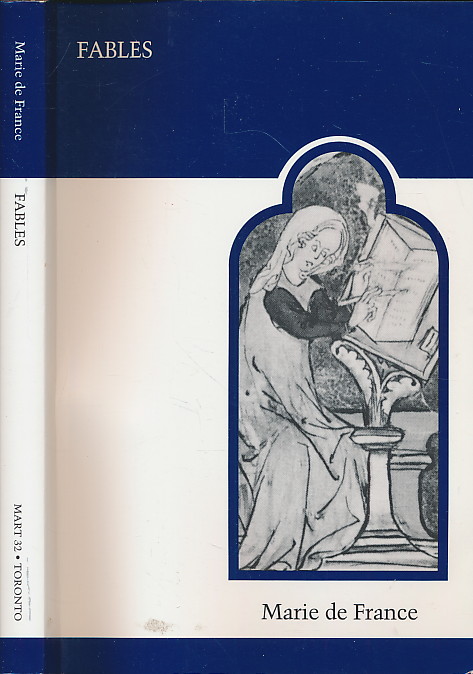
Fables
Fables in Old French with English translations on opposite pages. Marie de France (fl. 1160–1215) was a poet, likely born in France, who lived in England during the late 12th century. She lived and wrote at an unknown court, but she and her work were almost certainly known at the royal court of King Henry II of England. Virtually nothing is known of her life; both her given name and its geographical specification come from manuscripts containing her works. However, one written description of her work and popularity from her own era still exists. She is considered by scholars to be the first woman known to write francophone verse. Medieval Academy Reprints for Teaching 32. Soft cover. viii, 282 pp. B&W illustrations in text.
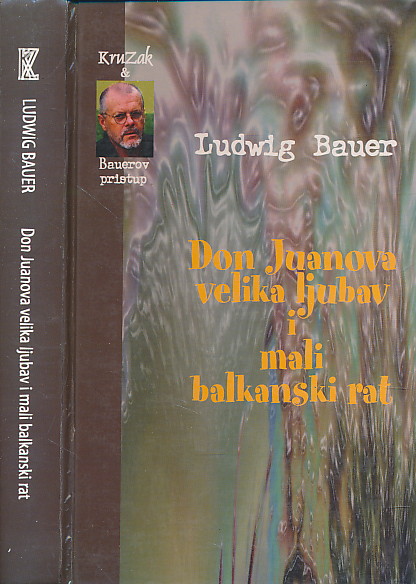
Don Juanova velika ljubav i mali balkanski rat
Pripovijetke
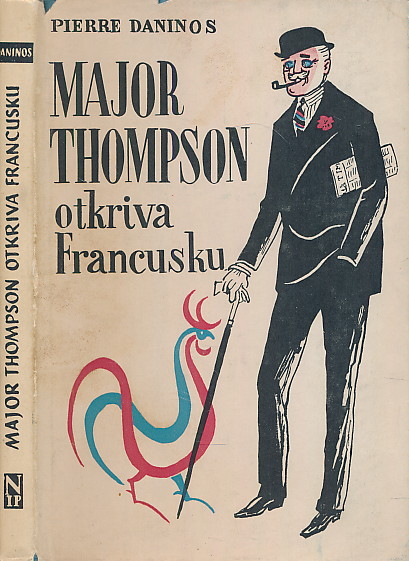
Major Thompson otkriva Francusku
S francuskog preveli Ladislav Grakalić i Vjekoslav Zrnc. Likovna oprema Ivo Švertasek. Ilistrirano.