Opremio Ivo Kalina.
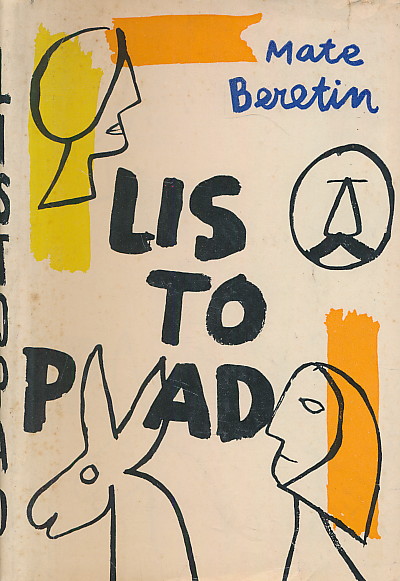
Opremio Ivo Kalina.
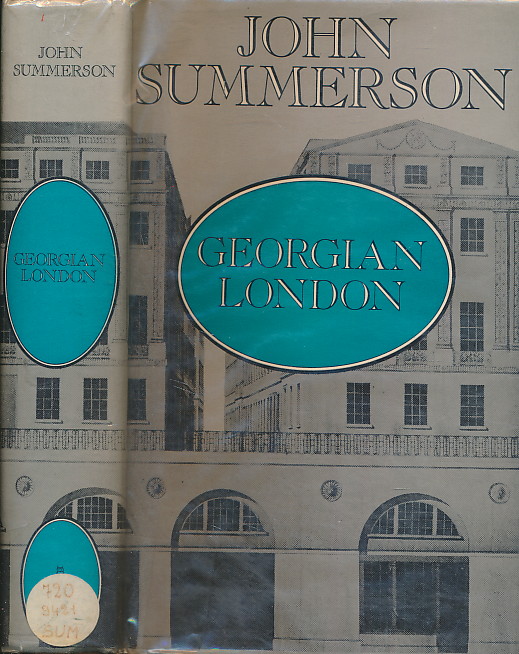
In this classic of English architectural history, John Summerson provides an account of a major building period in the history of London. Encompassing the architecture of the capital from the Great Fire of 1666 through the city’s early-19th-century expansion, it explores the genesis and development of Georgian London. Summerson examines the way in which building was conditioned by social, economic and financial circumstances and discusses some of Britain’s most important buildings and their architects. Between 1714 and 1830, great squares, elegant stucco and brick terraces, fine churches, grand parks and new thoroughfares transformed the appearance of London. Sir John Summerson paints a picture of the architect’s aims, the technical innovations and the social and political background which determined the character of these changes. Ranging from the work of Adam and Nash to that of cavalier speculators, embracing political crises, legislation and hopes of social reform, this book combines analysis of great and famous buildings – Westminster Bridge, the Bank of England and the Horseguards – with a detailed description of the historical circumstances out of which they rose.
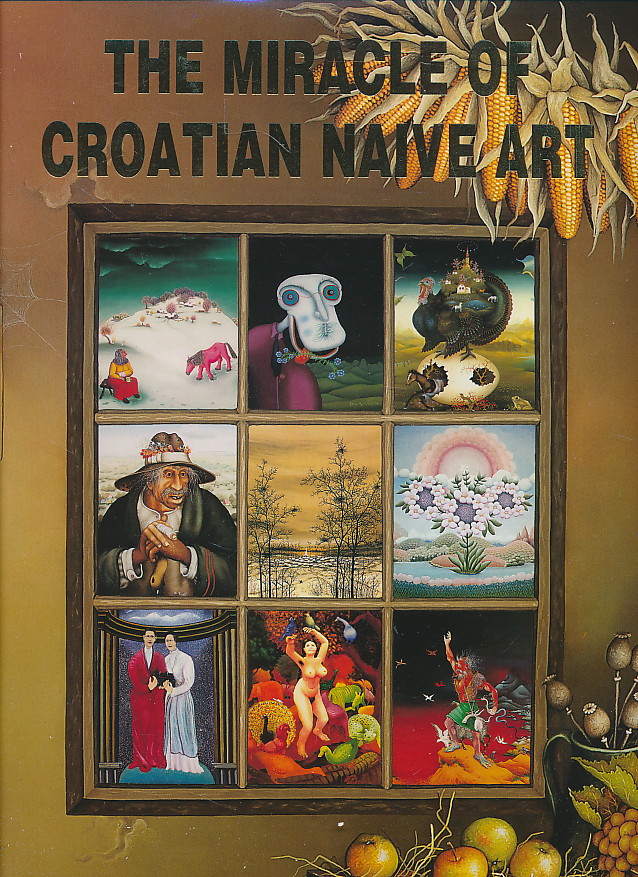
Croatian naive art is finally regaining its former glory under its true name, and we have before us the first monograph in free Croatia. Since 1931, when Generalić and Mraz exhibited their paintings at the exhibition of the “Zemlja” group, the Hlebin School and other branches of naive art have dominated the world’s galleries like a true wonder. The three authors of this monograph have already singled out the classics of naive art, and pointed out the determinants in the further development of naive art by many names that followed them. The richly and well-illustrated monograph also includes a detailed history of naive art with all the illuminated places from the time of disagreements, when naive art resisted socialist realism in one of its phases, and eventually managed to legitimize itself in a fan of much-desired stylistic and thematic diversity. Autor : Ratko Vince, Ivan Rogić Nehajev, Josip Depolo
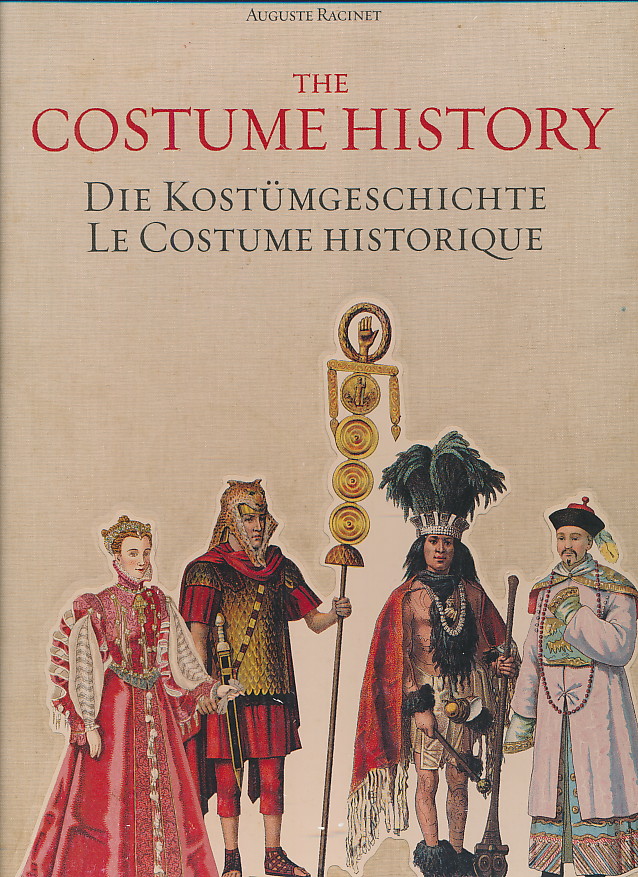
Originally published in France between 1876 and 1888, Auguste Racinet’s Le Costume historique was in its day the most wide-ranging and incisive study of clothing ever attempted. Covering the world history of costume, dress, and style from antiquity through to the end of the 19th century, the six volume work remains completely unique in its scope and detail. This TASCHEN reprint presents Racinet’s exquisitely precise color illustrations, as well as his delightful descriptions and often witty commentary. Spanning everything from ancient Etruscan attire to French women’s couture, material is arranged according to Racinet’s original plan by culture and subject. As expansive in its reach as it is passionate in its research and attention to detail, Racinet’s Costume History is an invaluable reference for students, designers, artists, illustrators, and historians; and a rich source of inspiration for anyone with an interest in clothing and style.
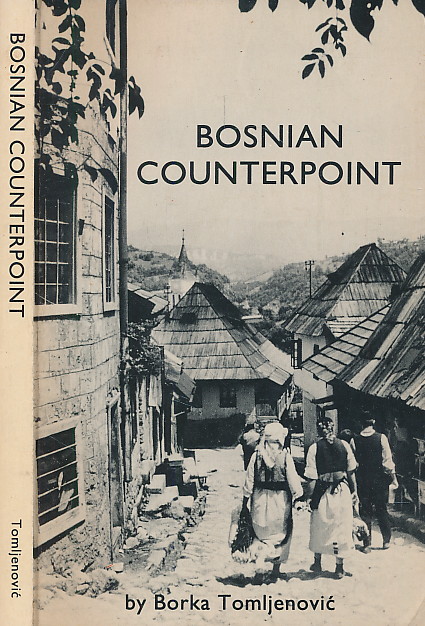
Bosnian Counterpoint evokes childhood memories of a Bosnia in which diverse ethnic and religious groups lived in mutual respect and tolerance. Bosnian Counterpoint was translated into Swedish and published in Lund as Bosnisk Corsvaeg in 1996. Subsequently, it was published in Serbo-Croatian in Tuzla, Bosnia, as Bosanski Kontrapunkt in 1999. S posvetom autorice.
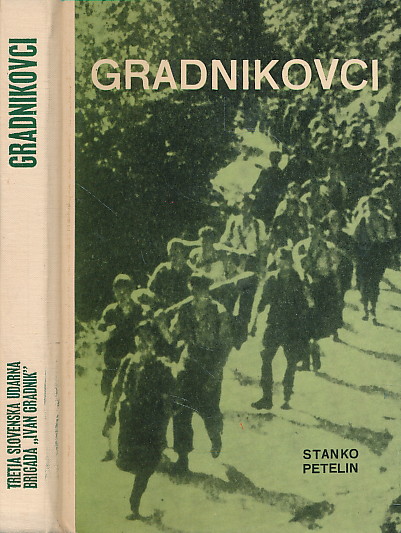
Gradnikovci: tretja slovenska narodnoosvobodilna udarna brigada “Ivan Gradnik”
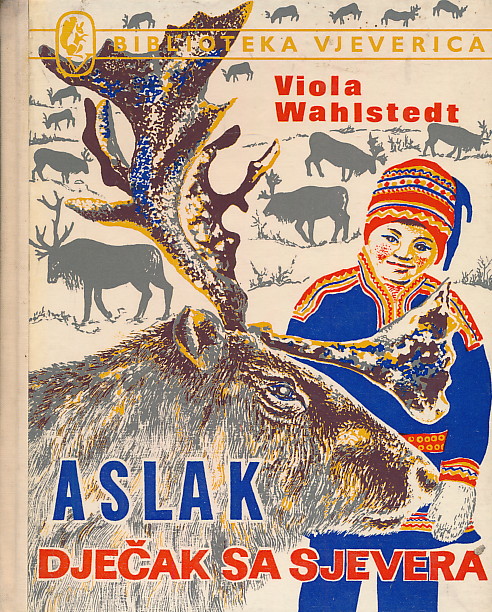
Preveo sa švedskoga Mirko Rumac. Ilustrirala Zdenka Pozaić.
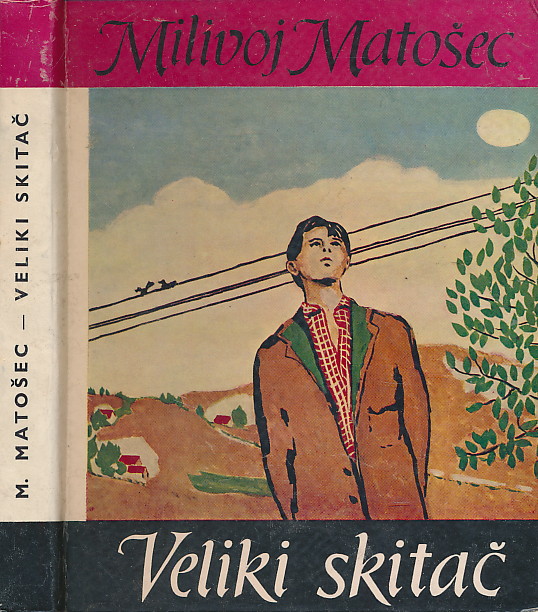
Milivoj Matošec je hrvatski dječji književnik rođen u Zagrebu 1929. godine. U Zagrebu je završio osnovnu školu, gimnaziju i pravni fakultet. Bavio se novinarstvom, a radio je i na televiziji. Napisao je mnogo priča, romana i radio igara te scenarija za televizijske emisije, serije i crtane filmove. Najpoznatija djela su mu: Tragom brodskog dnevnika, Kapetan Tornado, Admiralov otok, Veliki skitač, Strah u Ulici lipa i dr. Romani su mu prevedeni na mnoge jezike. Roman Strah u Ulici lipa nagrađen je 1968. godine nagradama Grigor Vitez i Mlado pokolenje. Umro je u Zagrebu 1982. g.
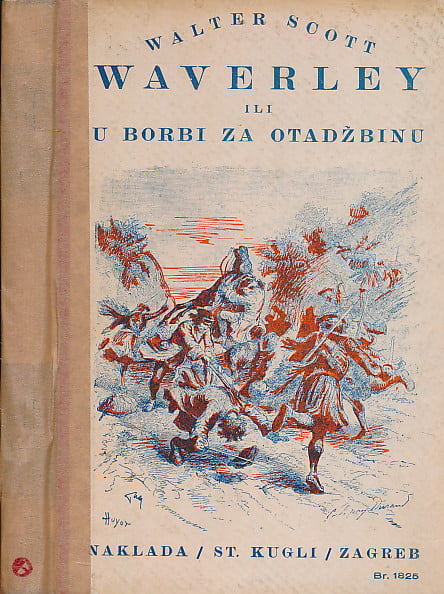
Historički roman iz osamnaestog stoljeća. Ilustrovano sa 16 slika.




Ilustrirala Diana Kosec-Bourek.
Nacrt za korice i ovitak Aleksandar Srnec.
Prevela sa slovenskoga Mirjana Hećimović. “Pokojni Predsjednik u svojim je govorima rado upotrebljavao frazu »mi gore — vi dolje«. To je značilo da su se oni gore sa svom odgovornošću nešto dogovorili, a mi ćemo dolje sa svom odgovornošću to izvršiti. Bio sam urednik studentskih novina i takvo mi se obraćanje narodu činilo nečim nečuvenim. Objavili smo karikaturu na kojoj su bila dva granitna bloka, na gornjem je pisalo mi gore, na donjem vi dolje. Gornji je pucao, raspadao se. Zbog te karikature imali smo, dakako, s komunističkim fanaticima neprilika. Ali, nije rijč o tome. Riječ je o tome da su to ljudi prihvaćali kao nešto što je razumljivo samo po sebi. Danas, kada i spisateljski kolege govore o većoj i manjoj kulturi naroda, o starim i mladim narodima u Jugoslaviji, o državotvornima i sluganskima, čak o nižoj rasi (Albancima), shvaćam zašto je ova sintagma bila prostodušno prihvaćena. Na Balkanu je uvijek netko gore i netko dolje. Kao u Bizantu. Ili kao u turskom imperiju. Vladari gore, raja dolje. Jedan narod gore, drugi dolje. Birokratska partijska kasta gore, kulaci i reakcionari dolje. Jedni nasilni, drugi prestrašeni. Oni gore, kada su na vlasti, moraju se tom vlašću okoristiti, inače ništa ne vrijede. Ako slučajno stanovito vrijeme radi parlament u kojemu žele biti svi jednaki, u njemu se puca na hrvatske poslanike. Gdjekad se čini kao da su se traume bliže i dalje prošlosti ovdašnjim ljudima jednostavno uvukle pod kožu i naselile se tako reći u njihovu gensku strukturu. Ne mogu drukčije objasniti stanje u kojemu pisci svoj um i pero posuđuju za dokazivanje nacionalnih kulturnih i političkih više vrijednosti.”
S njemačkog preveo Vlatko Šarić. Opremio Zlatko Prica.
S posvetom autora.
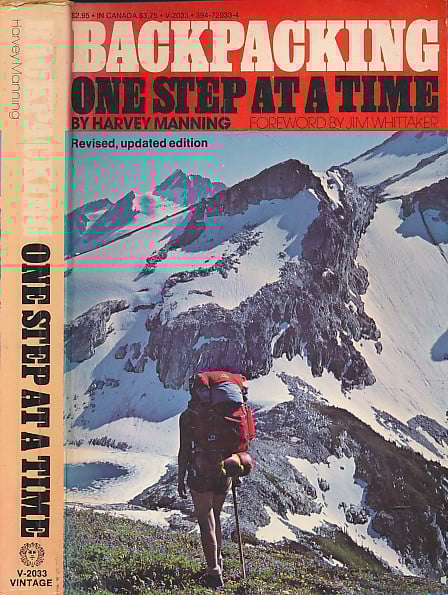
Near Fine Hardcover Stated First Printing of June, 1972. Text/BRAND NEW. Green linen boards/Fine. DJ/Fine. Trace soiling to fEP & lower text edge. Reference/resource and manual/guide to the art of backpacking illustrated with photos and lively cartoons. A book, rich with information, dedicated to footpower and to swelling the ranks of hikers who tred lightly with respect for nature and leaving as slight an imprint as possible. 18 chapters in three parts: I, Off & Away Onto the Trail; II, Equipment: Everything You Always Wanted to Know & Then Some; and, III, Elaborating the Art. The last chapter is The New Ethic … the green way of bakpacking.