A book entailing the study of wine taking you from the tasting process to the winemaking process to the details of the major varietals and where they are grown.
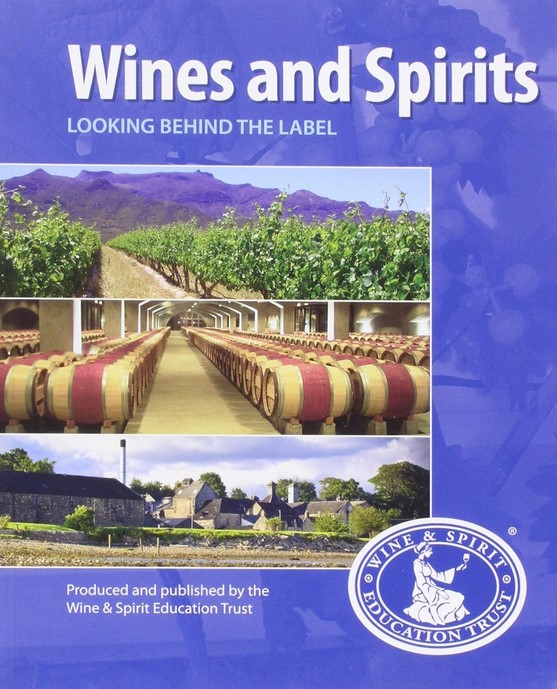
A book entailing the study of wine taking you from the tasting process to the winemaking process to the details of the major varietals and where they are grown.
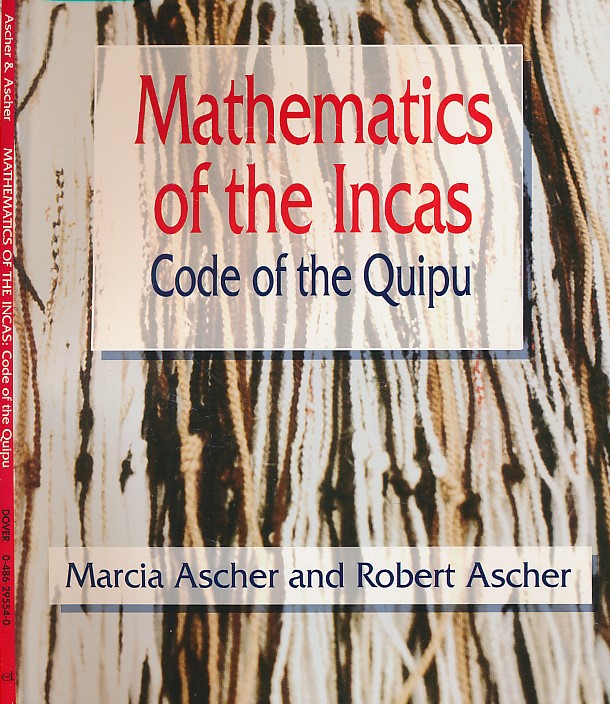
The Incas of ancient Peru possessed no writing. Instead, they developed a unique system expressed on spatial arrays of colored knotted cords called quipus to record and transmit information throughout their vast empire. The present book is based on a firsthand study of actual quipus that survived the destruction of the Inca civilization. Written by a mathematician and an anthropologist, this book acquaints the reader with the cultural context of the quipus, the problem of interpreting artifacts from another culture, and the place of the quipu-maker in Inca culture. Although no previous mathematical knowledge is assumed, the reader is introduced to the mathematical ideas embedded in the quipus and learns how to make a quipu. Enhanced with over 125 illustrations, this unusual and thought-provoking study will interest mathematicians, historians, anthropologists, archeologists, and students of folk art with its unique perspective on the way in which pieces of colored string serve to embody a rich, logical, numerical tradition and are, ultimately, a metaphor for the civilization that created them. Preface. Exercises and answers within chapters.
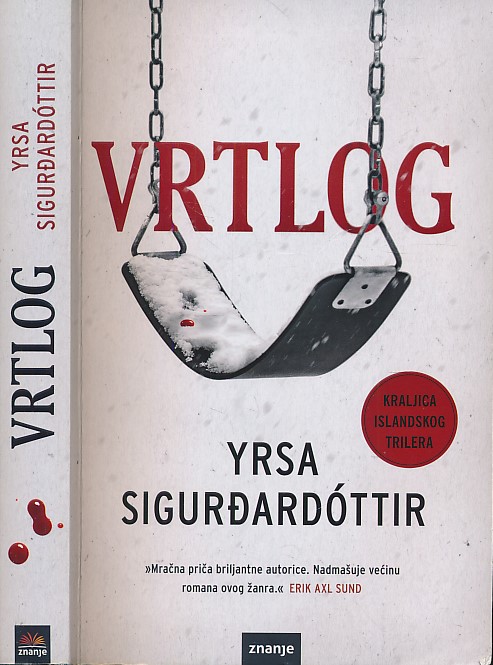
Zastrašujuća poruka u kojoj se najavljuje smrt šestero ljudi pronađena je u školskoj vremenskoj kapsuli, deset godina nakon što je zakopana. Je li posrijedi dječja šala ili nešto puno zlokobnije? Detektiv Huldar dobiva zadatak istražiti ovaj neobičan slučaj. S obzirom na fijasko s prethodnom istragom, sumnja da je u ovu uključen samo kako bi ga držali podalje od ozbiljnog policijskog posla. Psihologinja Freyja jedina je osoba koja mu može pomoći shvatiti prave motive djeteta koje je napisalo zloslutnu poruku. Ubrzo nakon otvaranja vremenske kapsule, slijedi niz jezivih događaja: najprije su u dvorištu kuće u centru grada pronađene dvije odrezane šake, a onda se dogode i dva okrutna ubojstva. Huldar i Freyja naći će se u središtu još jednog šokantnog slučaja i u trci s vremenom kako bi pronašli ubojicu prije nego što provede u djelo svoj stravični plan.
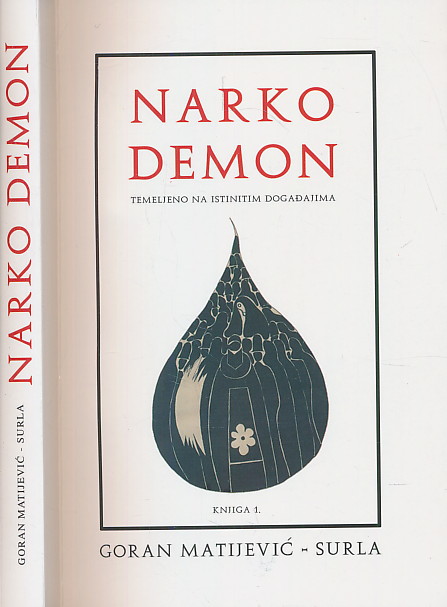
Rođen u Splitu. Djetinjstvo proveo u Zagrebu, a maturirao na Klasičnoj gimnaziji Natko Nodilo u Splitu. Kao osamnaestogodišnjak počinje boksati za BK Split, a četiri godine kasnije napušta Pravni fakultet kao apsolvent i otvara prvi disko-klub VAL45 u Brčkom. Vodio je najpoznatije disko-klubove i caffe barove u Splitu (CC, Shakespeare, Hollywood, Song, Metropolis i Aria). Više puta je napadan zbog odlučnosti da ne dozvoli distribuciju droge u lokalima koje je vodio, a napadi su kulminirali miniranjem vrlo uspješnog disko-kluba Hollywood. Preživio je i dva pokušaja ubojstva u kojima je pogođen sa šest metaka. Narko demon njegov je prvijenac.
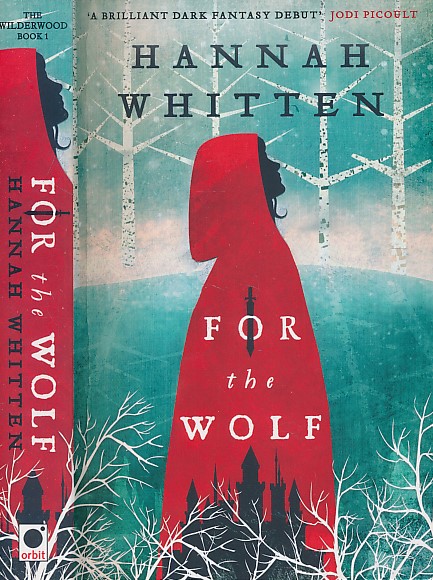
Wilderwood 1 The first daughter is for the Throne. The second daughter is for the Wolf. As the only Second Daughter born in centuries, Red has one purpose—to be sacrificed to the Wolf in the Wood in the hope he’ll return the world’s captured gods. Red is almost relieved to go. Plagued by a dangerous power she can’t control, at least she knows that in the Wilderwood, she can’t hurt those she loves. Again. But the legends lie. The Wolf is a man, not a monster. Her magic is a calling, not a curse. And if she doesn’t learn how to use it, the monsters the gods have become will swallow the Wilderwood—and her world—whole.
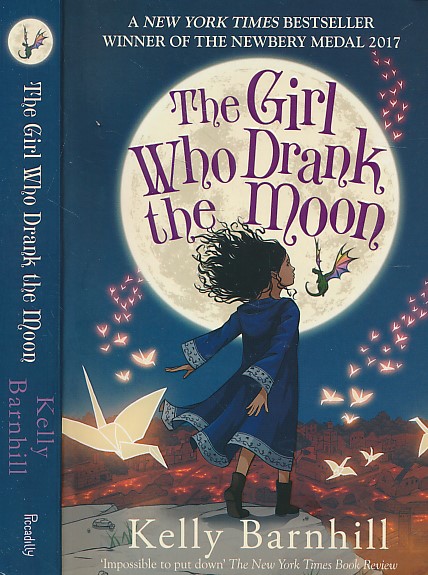
Every year, the people of the Protectorate leave a baby as an offering to the witch who lives in the forest. They hope this sacrifice will keep her from terrorizing their town. But the witch in the forest, Xan, is kind and gentle. She shares her home with a wise Swamp Monster named Glerk and a Perfectly Tiny Dragon, Fyrian. Xan rescues the abandoned children and deliver them to welcoming families on the other side of the forest, nourishing the babies with starlight on the journey. One year, Xan accidentally feeds a baby moonlight instead of starlight, filling the ordinary child with extraordinary magic. Xan decides she must raise this enmagicked girl, whom she calls Luna, as her own. To keep young Luna safe from her own unwieldy power, Xan locks her magic deep inside her. When Luna approaches her thirteenth birthday, her magic begins to emerge on schedule–but Xan is far away. Meanwhile, a young man from the Protectorate is determined to free his people by killing the witch. Soon, it is up to Luna to protect those who have protected her–even if it means the end of the loving, safe world she’s always known.
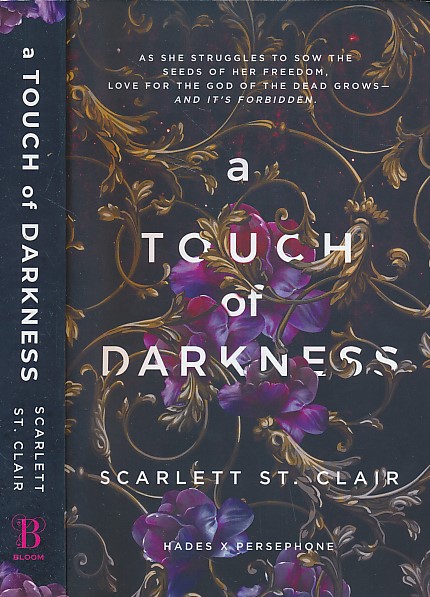
Persephone is the Goddess of Spring by title only. The truth is, since she was a little girl, flowers have shriveled at her touch. After moving to New Athens, she hopes to lead an unassuming life disguised as a mortal journalist. Hades, God of the Dead, has built a gambling empire in the mortal world and his favorite bets are rumored to be impossible. After a chance encounter with Hades, Persephone finds herself in a contract with the God of the Dead and the terms are impossible: Persephone must create life in the Underworld or lose her freedom forever. The bet does more than expose Persephone’s failure as a Goddess, however. As she struggles to sow the seeds of her freedom, love for the God of the Dead grows—and it’s forbidden.
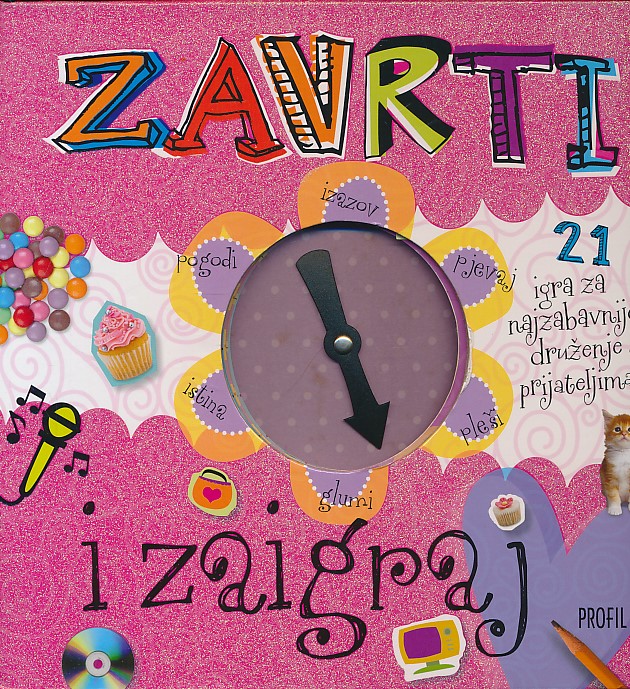
21 igra za najzabavnije druženje s prijateljima.
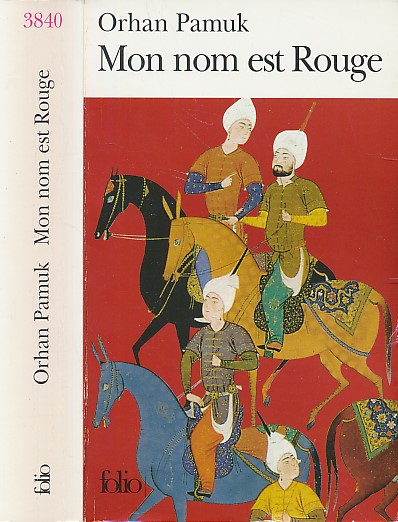
Istanbul, en cet hiver 1591, est sous la neige. Mais un cadavre, le crâne fracassé, nous parle depuis le puits ou il a été jeté. Il connaît son assassin, de meme que les raisons du meurtre dont il a été la victime : un complot contre l’Empire ottoman, sa culture, ses traditions et sa peinture. Car les miniaturistes de l’atelier du Sultan, dont il faisait partie, sont chargés d’illustrer un livre a la maniere italienne… Mon nom est Rouge, roman polyphonique et foisonnant, nous plonge dans l’univers fascinant de l’Empire ottoman de la fin du XIVe siecle, et nous tient en haleine jusqu’a la derniere page par un extraordinaire suspense. Une subtile réflexion sur la confrontation entre Occident et Orient sous-tend cette trame policiere, elle-meme doublée d’une intrigue amoureuse, dans un récit parfaitement maîtrisé. Un roman d’une force et d’une qualité rares.
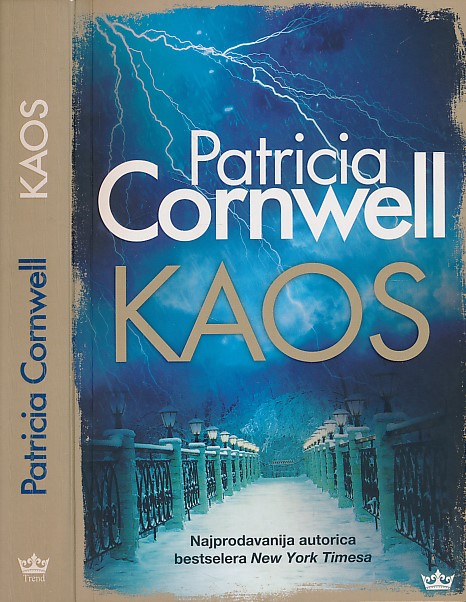
Kasne ljetne večeri u Cambridgeu, Massachusetts, dr. Kay Scarpetta i Pete Marino, policijski istražitelj i njezin kolega, pozvani su obaviti očevid na mjestu događaja u blizini Kennedy School of Government, gdje je preminula biciklistica. Čini se da je mlada žena napadnuta nekom nadljudskom silom.
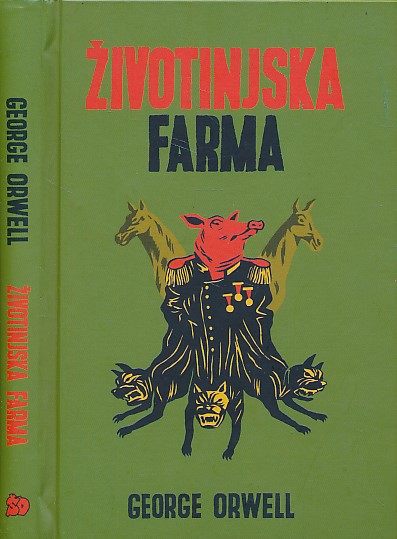
Životinjska farma je satirična alegorijska novela, u obliku bajke o zvijeri, Georgea Orwella, prvi put objavljena u Engleskoj 17. kolovoza 1945. Priča priču o skupini antropomorfnih domaćih životinja koje se bune protiv svog ljudskog farmera, nadajući se da će stvoriti društvo u kojem životinje mogu biti jednake, slobodne i sretne. Naposljetku, pobuna je izdana i, pod diktaturom svinje po imenu Napoleon, farma završava u jednako lošem stanju kao i prije. Prema Orwellu, Životinjska farma odražava događaje koji su doveli do ruske revolucije 1917., a zatim do staljinističke ere Sovjetskog Saveza, razdoblja kada je Rusija živjela pod komunističkom ideologijom Josipa Staljina. Orwell, demokratski socijalist, bio je kritičar Staljina i neprijateljski raspoložen prema staljinizmu pod vodstvom Moskve, stav koji je bio kritično oblikovan njegovim iskustvima tijekom sukoba između POUM-a i staljinističkih snaga tijekom Španjolskog građanskog rata za vrijeme Barcelone tijekom Prvog svibnja. U pismu Yvonne Davet, Orwell je Životinjsku farmu opisao kao satiričnu priču protiv Staljina (un conte satirique contre Staline), a u svom eseju Zašto pišem (1946.), napisao je: Životinjska farma bila je prva knjiga u kojoj sam, s punom sviješću o tome što radim, pokušao spojiti političku i umjetničku svrhu u jednu cjelinu.
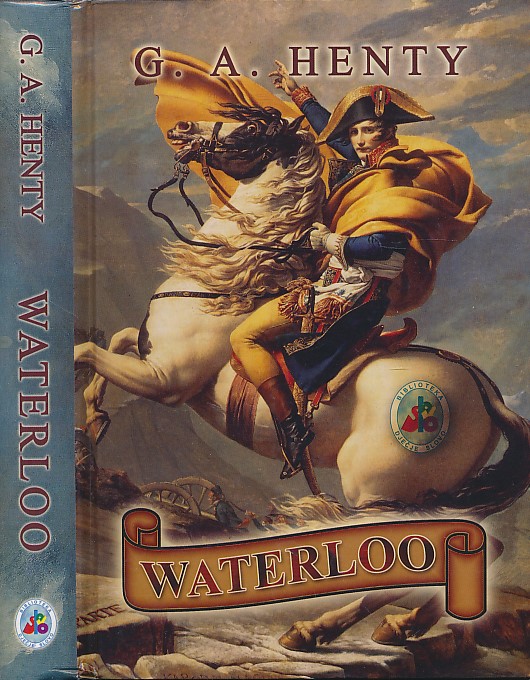
George Alfred Henty (1832. – 1902.), uobičajeno nazivan G. A. Henty, bio je plodan britanski spisatelj, ratni dopisnik, te imperijalist rođen u Engleskoj. Najpoznatiji je po svojim povijesnim avanturističkim pripovijetkama koje su krajem 19. stoljeća bile vrlo popularne. Najpoznatija su mu djela The Young Buglers (1880), With Clive in India (1884) i Wulf the Saxon (1895).
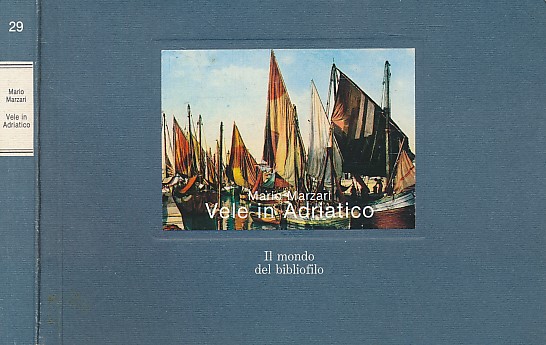
Il mondo del bibliofilo Introduzione Il mare Adriatico Storia Barche nell’Adriatico Vita di bordo Le barche adriatiche e il loro ambiente Appendice Dati statistici Tabelle Bibliografia generale Indice analitico
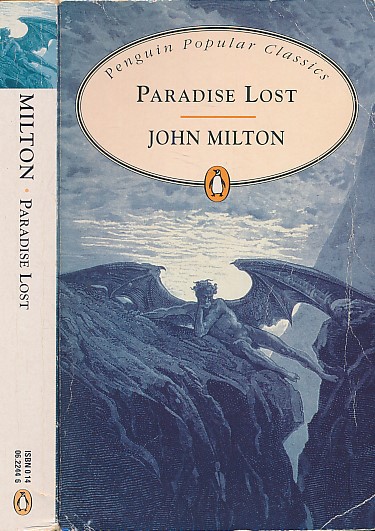
John Milton’s Paradise Lost is one of the greatest epic poems in the English language. It tells the story of the Fall of Man, a tale of immense drama and excitement, of rebellion and treachery, of innocence pitted against corruption, in which God and Satan fight a bitter battle for control of mankind’s destiny. The struggle rages across three worlds – heaven, hell, and earth – as Satan and his band of rebel angels plot their revenge against God. At the center of the conflict are Adam and Eve, who are motivated by all too human temptations but whose ultimate downfall is unyielding love.
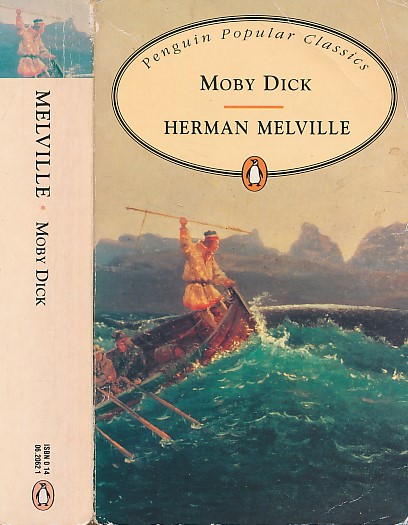
So Melville wrote of his masterpiece, one of the greatest works of imagination in literary history. In part, Moby-Dick is the story of an eerily compelling madman pursuing an unholy war against a creature as vast and dangerous and unknowable as the sea itself. But more than just a novel of adventure, more than an encyclopaedia of whaling lore and legend, the book can be seen as part of its author’s lifelong meditation on America. Written with wonderfully redemptive humour, Moby-Dick is also a profound inquiry into character, faith, and the nature of perception.
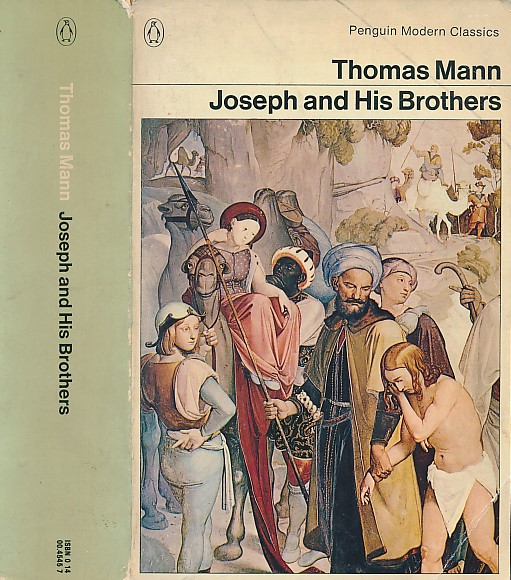
Thomas Mann regarded his monumental retelling of the biblical story of Joseph as his magnum opus. He conceived of the four parts–The Stories of Jacob, Young Joseph, Joseph in Egypt, and Joseph the Provider–as a unified narrative, a mythological novel of Joseph’s fall into slavery and his rise to be lord over Egypt. Deploying lavish, persuasive detail, Mann conjures for us the world of patriarchs and pharaohs, the ancient civilizations of Egypt, Mesopotamia, and Palestine, and the universal force of human love in all its beauty, desperation, absurdity, and pain. The result is a brilliant amalgam of humor, emotion, psychological insight, and epic grandeur.
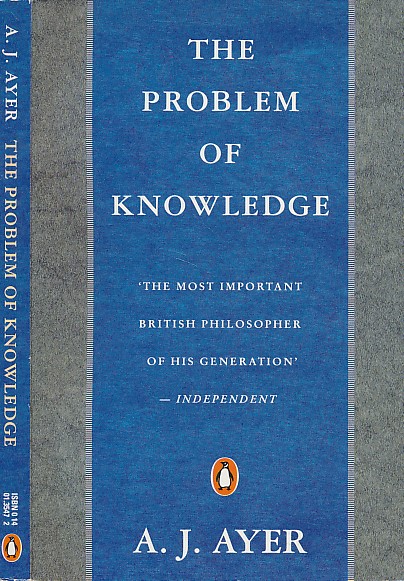
Philosophy and Knowledge Scepticism and Certainty Perception Memory Myself and Others
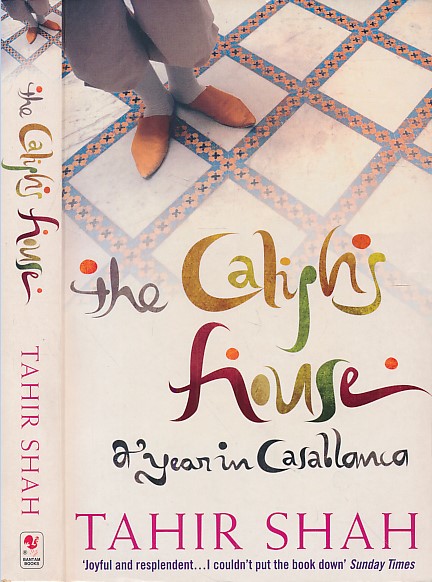
In the tradition of A Year in Provence and Under the Tuscan Sun, acclaimed English travel writer Tahir Shah shares a highly entertaining account of making an exotic dream come true. By turns hilarious and harrowing, here is the story of his family’s move from the gray skies of London to the sun-drenched city of Casablanca, where Islamic tradition and African folklore converge–and nothing is as easy as it seems…. Inspired by the Moroccan vacations of his childhood, Tahir Shah dreamed of making a home in that astonishing country. At age thirty-six he got his chance. Investing what money he and his wife, Rachana, had, Tahir packed up his growing family and bought Dar Khalifa, a crumbling ruin of a mansion by the sea in Casablanca that once belonged to the city’s caliph, or spiritual leader. With its lush grounds, cool, secluded courtyards, and relaxed pace, life at Dar Khalifa seems sure to fulfill Tahir’s fantasy–until he discovers that in many ways he is farther from home than he imagined. For in Morocco an empty house is thought to attract jinns, invisible spirits unique to the Islamic world. The ardent belief in their presence greatly hampers sleep and renovation plans, but that is just the beginning. From elaborate exorcism rituals involving sacrificial goats to dealing with gangster neighbors intent on stealing their property, the Shahs must cope with a new culture and all that comes with it. Endlessly enthralling, The Caliph’s House charts a year in the life of one family who takes a tremendous gamble. As we follow Tahir on his travels throughout the kingdom, from Tangier to Marrakech to the Sahara, we discover a world of fierce contrasts that any true adventurer would be thrilled to call home.
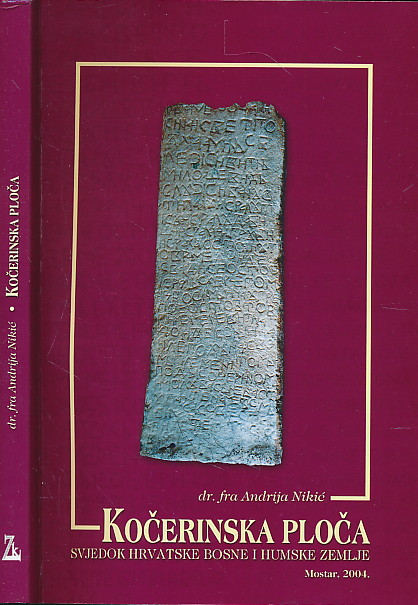
Svjedok Hrvatske Bosne i Humske zemlje.
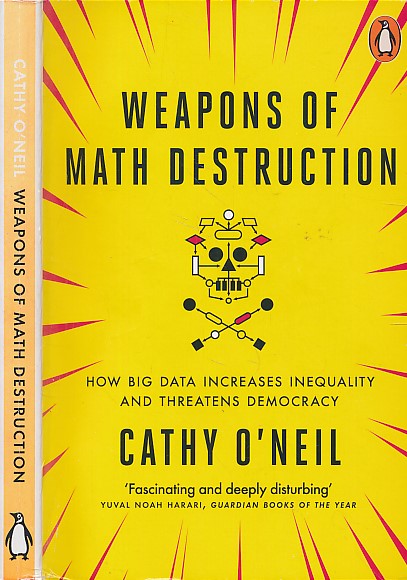
We live in the age of the algorithm. Increasingly, the decisions that affect our lives–where we go to school, whether we can get a job or a loan, how much we pay for health insurance–are being made not by humans, but by machines. In theory, this should lead to greater fairness: Everyone is judged according to the same rules. But as mathematician and data scientist Cathy O’Neil reveals, the mathematical models being used today are unregulated and uncontestable, even when they’re wrong. Most troubling, they reinforce discrimination–propping up the lucky, punishing the downtrodden, and undermining our democracy in the process.
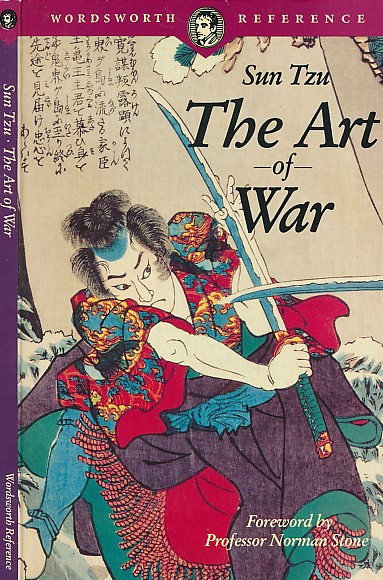
Twenty-Five Hundred years ago, Sun Tzu wrote this classic book of military strategy based on Chinese warfare and military thought. Since that time, all levels of military have used the teaching on Sun Tzu to warfare and civilization have adapted these teachings for use in politics, business and everyday life. The Art of War is a book which should be used to gain advantage of opponents in the boardroom and battlefield alike.
This book offers a series of problems in thinking that require no special knowledge and no mathematics. The problems are designed to let readers find out about their personal style of thinking, its weaknesses and strengths, and the potential methods that they never use. Being right is not always important – an error can lead to the right decision. A copy of the L-game is inserted in each book for use in the section on strategy.
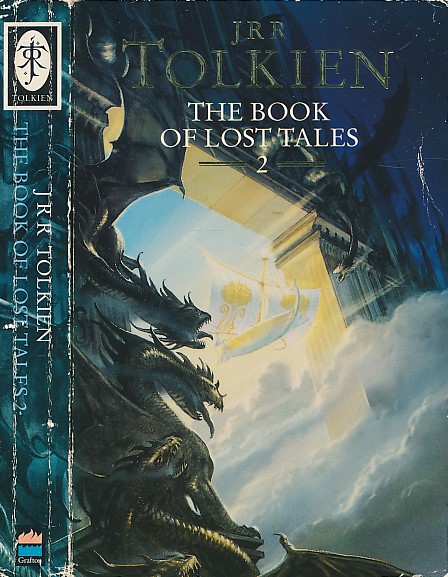
The Tale of Tinuviel Turambar and the Foaloke The Fall of Gondolin The Nauglafring The Tale of Earendel The History of Eriol or Aelwine and the End of the Tales