The Whistler 2 In The Whistler, Lacy Stoltz investigated a corrupt judge who was taking millions in bribes from a crime syndicate. She put the criminals away, but only after being attacked and nearly killed. Three years later, and approaching forty, she is tired of her work for the Florida Board on Judicial Conduct and ready for a change. Then she meets a mysterious woman who is so frightened she uses a number of aliases. Jeri Crosby’s father was murdered twenty years earlier in a case that remains unsolved and that has grown stone cold. But Jeri has a suspect whom she has become obsessed with and has stalked for two decades. Along the way, she has discovered other victims. Suspicions are easy enough, but proof seems impossible. The man is brilliant, patient, and always one step ahead of law enforcement. He is the most cunning of all serial killers. He knows forensics, police procedure, and most important: he knows the law. He is a judge, in Florida—under Lacy’s jurisdiction. He has a list, with the names of his victims and targets, all unsuspecting people unlucky enough to have crossed his path and wronged him in some way. How can Lacy pursue him, without becoming the next name on his list? The Judge’s List is by any measure John Grisham’s most surprising, chilling novel yet.
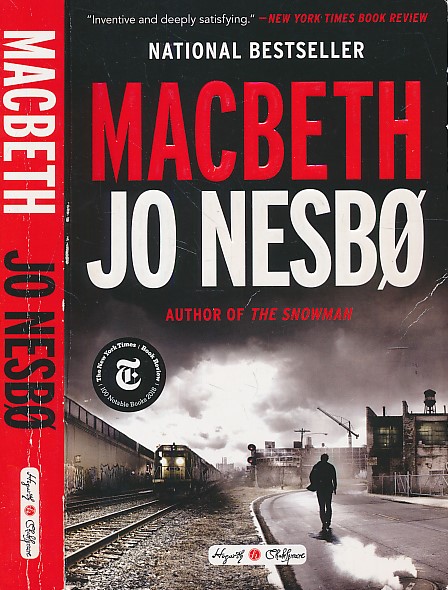
The corrupt chief of police who has ruled the industrial city into a quagmire of corruption, crime and chaos is finally dead. With this, the people’s hopes are kindled, and the power struggle is underway. First officers Macbeth and Duff, former best friends from the orphanage they grew up in, have both distinguished themselves in the fight against the city’s two rival drug gangs. Now they are fighting for the same higher position in the police. Meanwhile, Lady, the town’s powerful casino owner, makes ambitious and murderous plans for herself and her lover, Macbeth.
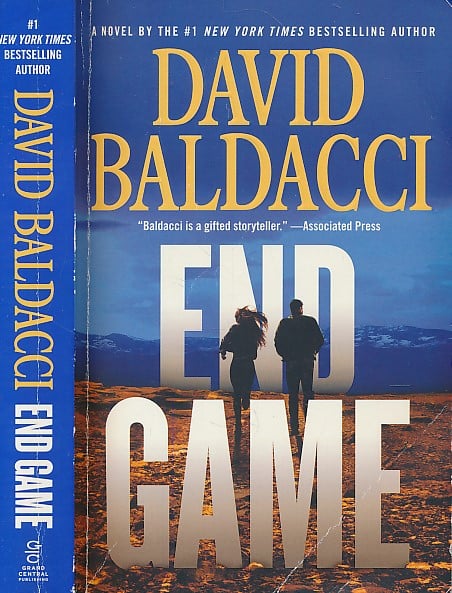
Will Robie 5 Will Robie and Jessica Reel are two of the most lethal people alive. They’re the ones the government calls in when the utmost secrecy is required to take out those who plot violence and mass destruction against the United States. And through every mission, one man has always had their backs: their handler, code-named Blue Man. But now, Blue Man is missing. Last seen in rural Colorado, Blue Man had taken a rare vacation to go fly fishing in his hometown when he disappeared off the grid. With no communications since, the team can’t help but fear the worst. Sent to investigate, Robie and Reel arrive in the small town of Grand to discover that it has its own share of problems. A stagnant local economy and a woefully understaffed police force have made this small community a magnet for crime, drugs, and a growing number of militant fringe groups. But lying in wait in Grand is an even more insidious and sweeping threat, one that may shake the very foundations of America. And when Robie and Reel find themselves up against an adversary with superior firepower and a home-court advantage, they’ll be lucky if they make it out alive, with or without Blue Man…
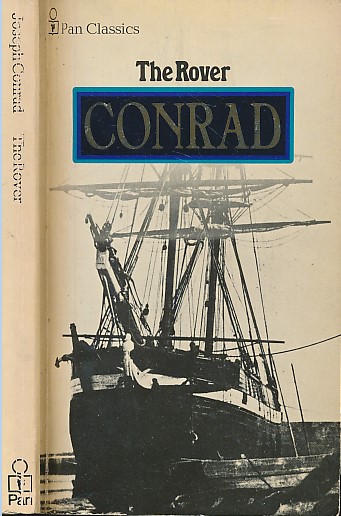
Set in the south of France in the waning years of the French Revolution, The Rover is a tale of self-discovery. Seeking rest after a life of adventure, Peyrol returns to his native land to find instead intrigue, love and commitment.
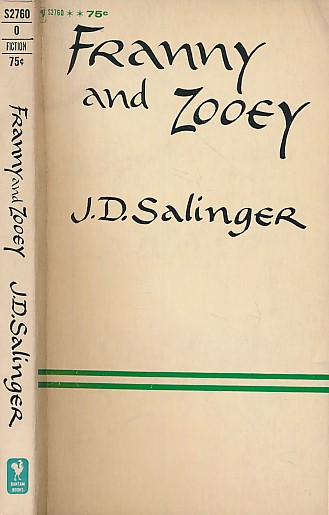
‘Everything everybody does is so—I don’t know—not wrong, or even mean, or even stupid necessarily. But just so tiny and meaningless and—sad-making. And the worst part is, if you go bohemian or something crazy like that, you’re conforming just as much only in a different way.’ First published in The New Yorker as two sequential stories, ‘Franny’ and ‘Zooey’ offer a dual portrait of the two youngest members of J. D. Salinger’s fictional Glass family. Franny Glass is a pretty, effervescent college student on a date with her intellectually confident boyfriend, Lane. They appear to be the perfect couple, but as they struggle to communicate with each other about the things they really care about, slowly their true feelings come to the surface. The second story in this book, ‘Zooey’, plunges us into the world of her ethereal, sophisticated family. When Franny’s emotional and spiritual doubts reach new heights, her older brother Zooey, a misanthropic former child genius, offers her consolation and brotherly advice. Written in Salinger’s typically irreverent style, these two stories offer a touching snapshot of the distraught mindset of early adulthood and are full of the insightful emotional observations and witty turns of phrase that have helped make Salinger’s reputation what it is today.
The challenges to humanity posed by the digital future, the first detailed examination of the unprecedented form of power called surveillance capitalism, and the quest by powerful corporations to predict and control our behavior. In this masterwork of original thinking and research, Shoshana Zuboff provides startling insights into the phenomenon that she has named surveillance capitalism. The stakes could not be higher: a global architecture of behavior modification threatens human nature in the twenty-first century just as industrial capitalism disfigured the natural world in the twentieth. Zuboff vividly brings to life the consequences as surveillance capitalism advances from Silicon Valley into every economic sector. Vast wealth and power are accumulated in ominous new behavioral futures markets, where predictions about our behavior are bought and sold, and the production of goods and services is subordinated to a new means of behavioral modification.
Sa nemačkog prevela Vida Županski Pečnik.

Bagić, Krešimir, hrvatski pjesnik i književni kritičar (1962). Na Filozofskom fakultetu u Zagrebu diplomirao jugoslavistiku 1988., doktorirao 1995; predaje stilistiku na istom fakultetu (od 2009. redoviti profesor). Objavljuje znanstvene, književnokritičke i esejističke tekstove te poeziju. Javio se kao pripadnik kvorumaškoga naraštaja kritičarskim tekstovima u knjizi Četiri dimenzije sumnje (1988., s Julijanom Matanović, Vlahom Bogišićem i Miroslavom Mićanovićem). Objavio je pjesničke zbirke Između dva snažna dima (1989), Krošnja (1994), Bršljan (1996), Jezik za svaku udaljenost (2001), U polutami predgrađa (2006), Trebalo bi srušiti zidove (2011), Plaši li te moja boja (2013), Ponornice (2021). Studija Živi jezici (1994) analitičko je čitanje poetskog pisma Ivana Slamniga, Josipa Severa i Anke Žagar, a Goli grad (2003) antologija hrvatske kratke priče 1980-ih i 1990-ih. Ostala djela: Umijeće osporavanja (1999), Brisani prostor (2002), Treba li pisati kako dobri pisci pišu (2004), Rječnik stilskih figura (2012), Uvod u suvremenu hrvatsku književnost: 1970–2010 (2016), Pogled iz Dubrave (2017). Redoviti član HAZU-a od 2022.
Prvi objavljeni rad Miljenka Jergovića za kojeg je nagrađen nagradama Goran za mlade pjesnike te nagradom Mak Dizdar.
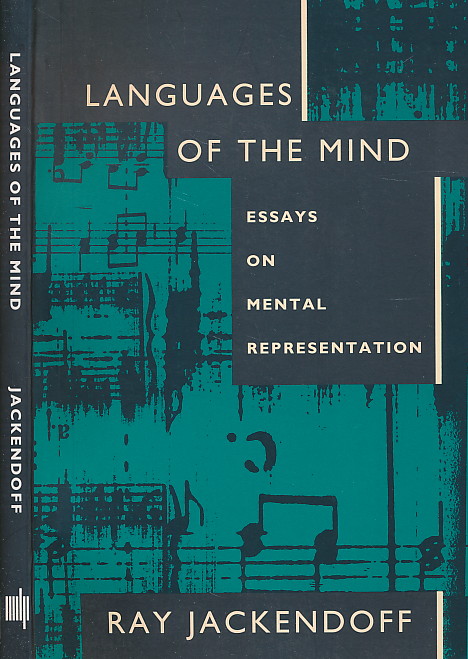
Over the past two decades, Ray Jackendoff has persistently tackled difficult issuesin the theory of mind and related theories of cognitive processing. Chief among his contributions isa formal theory that elaborates the nature of language and its relationship to a broad set of otherdomains.Languages of the Mind provides convenient access to Jackendoff’s work over the past fiveyears on the nature of mental representations in a variety of cognitive domains, in the context of adetailed theory of the level of conceptual structure developed in his earlier books Semantics andCognition and Consciousness and the Computational Mind. The first two chapters summarize the theoryof levels of mental representation (languages of the mind) and their relationships to each otherand show how conceptual structure can be approached along lines familiar from syntactic andphonological theory. From this background, subsequent chapters develop issues in word learning (andits pertinence to the Piaget-Chomsky debate) and the relation of conceptual structure to theunderstanding of physical space.Further chapters apply the theory to domains outside of traditionalcognitive science. They include an approach to social and cultural cognition modeled on firstprinciples of linguistic theory, the beginnings of a formal description of psychodynamic phenomena,and a discussion of musical parsing and its relation to musical affect that bears on currentdisputes in linguistic parsing. The final chapter takes up a long-standing conflict betweenphilosophical and psychological approaches to the study of mind, arguing that mental representationsshould be regarded purely in terms of the combinatorial organization of brain states, and that thephilosophical insistence on the intentionality of mental states should be abandoned.Ray Jackendoffis Professor of Linguistics at Brandeis University.
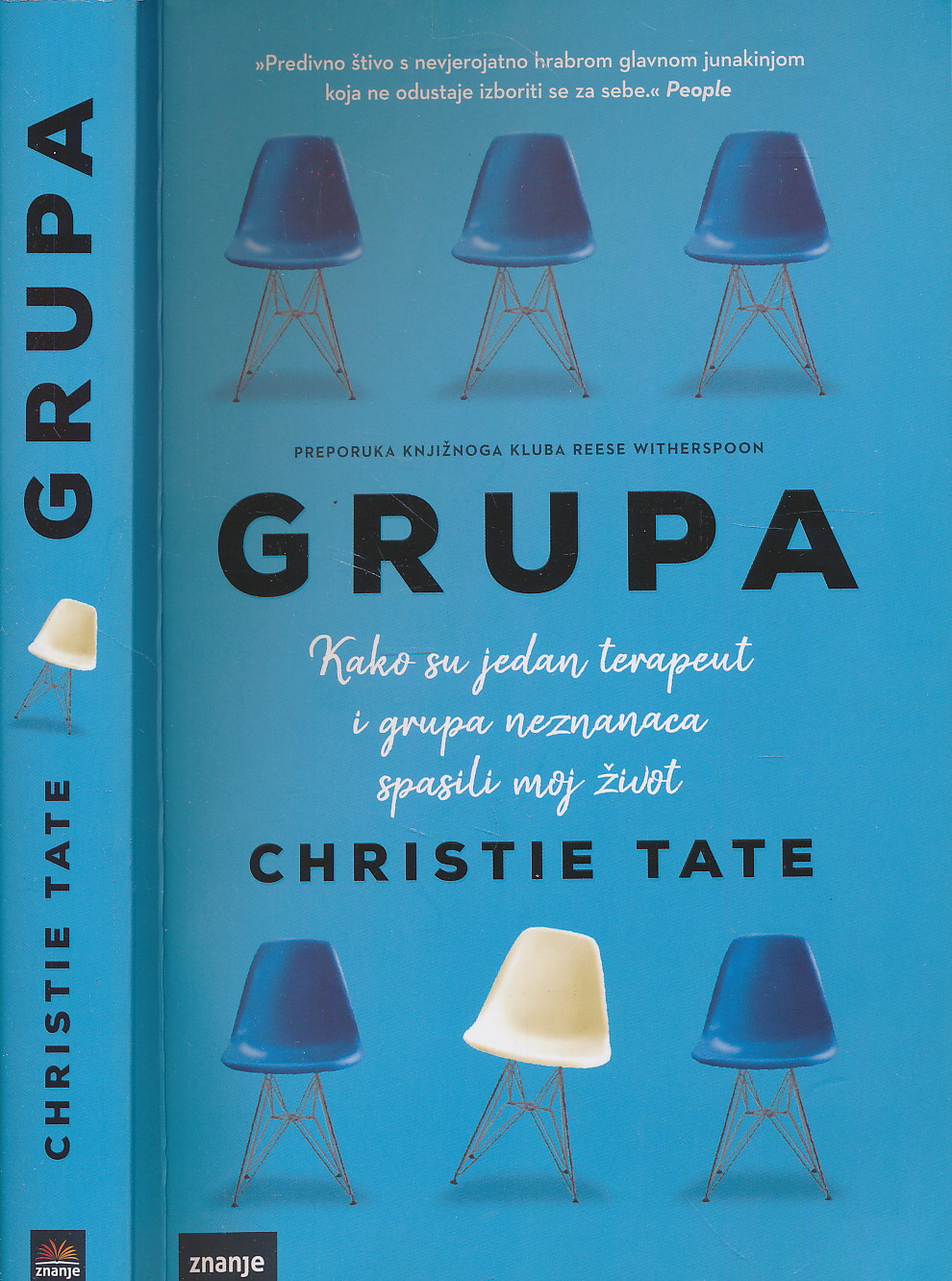
Christie je upravo proglašena najboljom studenticom na studiju prava i napokon svoj poremećaj prehrane drži pod kontrolom. No usprkos svim postignućima, progoni je tuga i usamljenost, a najviše od svega osjećaj da je samo roba s greškom. Dok njezini prijatelji planiraju ludi provod vikendom, upuštaju se u veze i vezice, ona tone u crne misli i sanjari o vlastitoj smrti. Kada upozna neobičnog dr. Rosena i odluči se pridružiti njegovoj psihoterapijskoj grupi, sve se neočekivano mijenja. U grupi nema obmanjivanja i glumatanja, i upravo je izazov bezuvjetne iskrenosti najteži za Christie. U početku su joj nekonvencionalne doktorove metode odbojne, no postupno, iz seanse u seansu, njezin se čelični štit nezaustavljivo topi. Na emocionalnom vrtuljku prepunom uspona i padova, od prepričavanja urnebesno smiješnih dogodovština do povjerljivih telefonskih razgovora u sitne noćne sate, Christie će se zbližiti i ogoliti pred šest potpunih stranaca – i zauzvrat pronaći istinsku povezanost s drugima i sa samom sobom. Da sam barem pročitala ovu knjigu s dvadeset pet godina!’… Bez drugih ne možemo uživati u sretnim trenucima niti prebroditi teške. Reese Witherspoon Priča s puno srca o preispitivanju najdubljih želja i prevladavanju vlastitih ograničenja. The New York Times Odvažni i brutalno iskreni memoari briljantne autorice o uzbudljivom iskustvu grupne terapije koje joj je promijenilo život. NPR Christie Tate američka je spisateljica i esejistica. Objavljivala je u New York Timesu, Washington Postu, Chicago Tribuneu i drugim časopisima. Njezini debitantski memoari Grupa: Kako su jedan terapeut i grupa neznanaca spasili moj život privukli su veliku pozornost i postali instant bestseler.
Ovo je zacijelo najbolje doba za razumijevanje kikseva. Općeprihvaćeno je mišljenje da učimo iz vlastitih pogrešaka. Ali, je li to istina? Povjesničar Zachary Shore tvrdi da ljudi ne uče dovoljno iz povijesti jer su naše misli jednostavno zapele u prošlosti. Zarobljeni smo u krutim nazorima koji nam ne dopuštaju vidjeti pametna rješenja. Shore nas vodi kroz povijesne kikseve identificirajući sedam “spoznajnih zabluda” – strah od razotkrivanja, zabludu o uzroku, plošnost, panacejstvo, infomaniju, projekcije i ukopanost – koje su dovele do vrlo loših odluka. Te kikseve uspoređuje s pričama o misliocima slobodnoga uma koji su na iznenađujuće načine pronašli put do mudrosti. Istražujući načine na koje razmišljamo, bestseler Kiks: Zašto pametni ljudi donose loše odluke pruža nov pogled na prošlost i pokazuje put prema pametnijoj budućnosti.
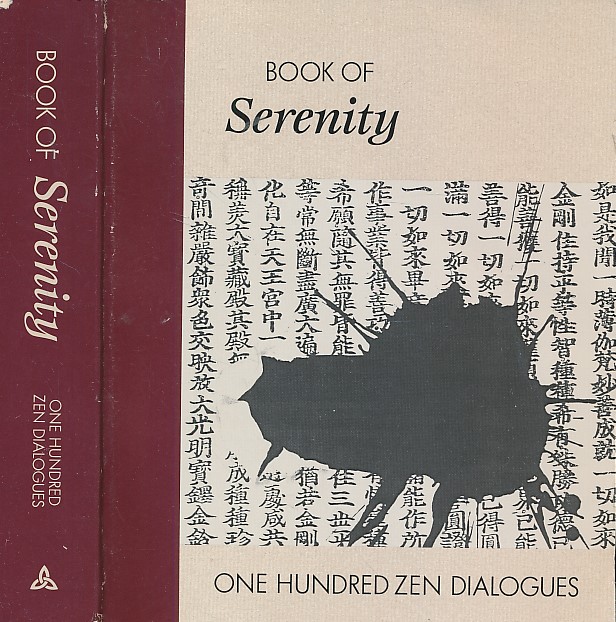
Book of Equanimity or Book of Serenity or Book of Composure is a book compiled by Wansong Xingxiu (1166–1246), and first published in 1224. The book comprises a collection of 100 koans written by the Chan Buddhist master Hongzhi Zhengjue (1091–1157), together with commentaries by Wansong. Wansong’s compilation is the only surviving source for Hongzhi’s koans. Along with The Gateless Barrier, the Book of Equanimity is considered one of the two primary compilations of Zen dialogue. Shohaku Okumura has called the collection a classic text that is still studied by Zen students today. Reb Anderson has called it an auspicious peak in the mountain range of Zen literature, a subtle flowing stream in the deep valleys of our teaching, a treasure house of inspiration and guidance in studying the ocean of Buddhist teachings. Gerry Shishin Wick, who published a translation of Book of Equanimity in 2005, says although it was collected by a master in the Soto lineage, The Book of Equanimity, they are treated as Koans in the Rinzai, some Rinzai schools, and the Soto school studied them, but more as liturgy, rather than as Koans.
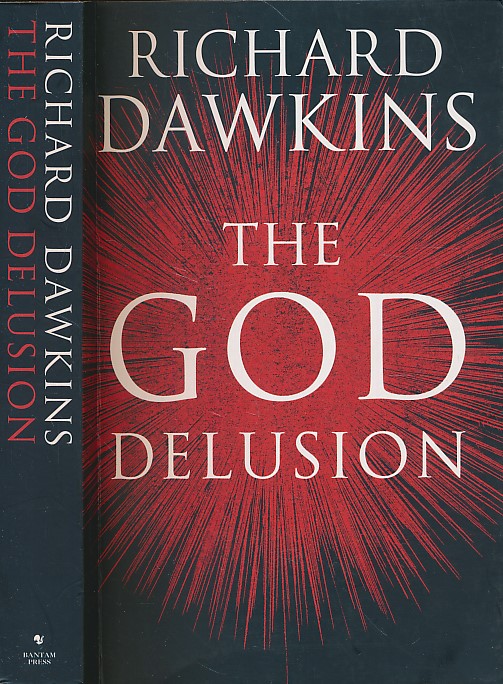
A preeminent scientist – and the world’s most prominent atheist – asserts the irrationality of belief in God, and the grievous harm religion has inflicted on society, from the Crusades to 9/11. With rigor and wit, Dawkins examines God in all his forms, from the sex-obsessed tyrant of the Old Testament, to the more benign (but still illogical) Celestial Watchmaker favored by some Enlightenment thinkers. He eviscerates the major arguments for religion, and demonstrates the supreme improbability of a supreme being. He shows how religion fuels war, foments bigotry, and abuses children, buttressing his points with historical and contemporary evidence. The God Delusion makes a compelling case that belief in God is not just wrong, but potentially deadly. It also offers exhilarating insight into the advantages of atheism to the individual and society, not the least of which is a clearer, truer appreciation of the universe’s wonders than any faith could ever muster.
Master Cherng’s translation of Discourse on Sitting and Forgetting, an 8th century classic text on meditation by Si Ma Cheng Zhen, is accompanied by his extensive explanatory commentary, unique in its ability to make this complex text accessible to the Western reader. In the introduction to the text, Master Cherng explains how to practice the Purification of the Heart method of meditation and photographs clearly illustrate the correct postures. He deciphers the Chinese metaphors and abstract language of Si Ma Cheng Zhen to give a clear explanation of the processes involved and the resulting changes to mind, spirit and body. His translation and explanatory commentary present the classic text in a way that can be easily understood and applied, allowing Western students of Daoism, and anyone with an interest in meditation, direct access to the meaning of this text in practice.

Angelus Press is proud to announce the publication of the first totally re-typeset, Latin-English daily missal for the laity since Vatican II. This is the most complete missal ever produced in the English language. We have included everything and have produced a missal that is affordable while being of the highest durability. The Roman Catholic Daily Missal will become your life-long liturgical companion ?at Church, at home, and on the road. All new typesetting ?not a photographic reproduction: clear and crisp type. According to the 1962 juxta typica (typical edition) of the Missale Romanum 1,980 pages All liturgical texts in Latin and English (both Propers and Ordinary) All readings in English (Douay-Rheims translation) and Latin All music in Gregorian notation Ordinary with rubrics in red Gilt edges 5 liturgically-colored non-fraying ribbons Smythe Sewn, rounded back binding with durable, leather-like Skivertex polymer gold-embossed flexible cover Rounded corners on pages and cover Reinforced 80 lb. resin-impregnated endsheets for extreme durability Printed and bound in the USA on the highest quality natural Bible paper imported from France especially for this missal Fully and thoroughly indexed
Breviarium Romanum, ex Decreto SS. Concilii Tridenti Restitutum, S. Pii V Pontificis Maximi Jussu Editum Aliorumque Pontt. Cura Recognitum Pii Papae X Auctoritate Reformatum. Pars aestiva : 31+952+236+31+95+8 Editio XX Juxta Typicam
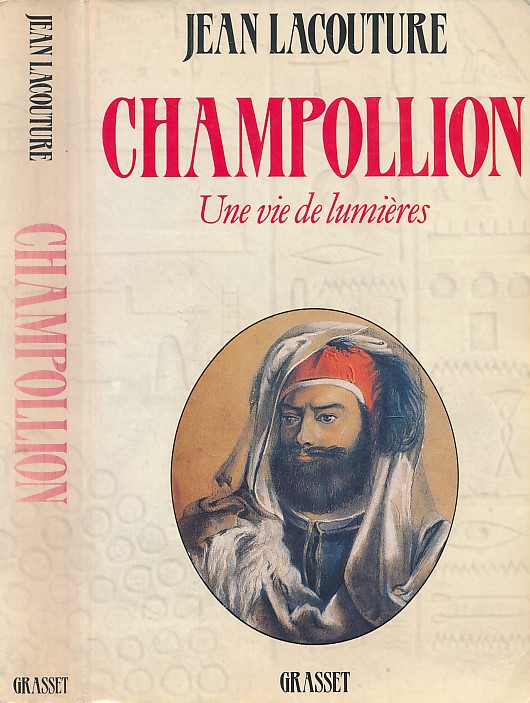
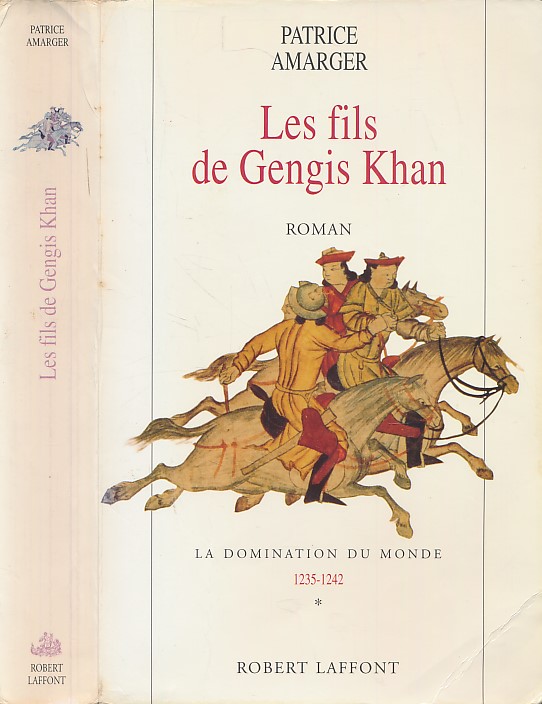
Jean Lacouture a choisi de ressusciter le profil farouche et attachant d’un savant qui fut aussi un citoyen exemplaire de son siecle. De Figeac a Grenoble, de Saqqara a la Grande Statuaire du musée de Turin a la fournaise d’Abou-Simbel, de la Haute-Egypte a la pierre de Rosette, d’un frere trop paternel a des pharaons muets, on le verra ainsi livrer tous les combats dont peut foisonner une existence pleine et breve. La Révolution, l’amour d’une poétesse toscane, la bienveillance des dieux antiques, la ferveur pour Bonaparte et la fermeté devant Napoléon rythment cette vie. On en suivra ici les étapes, dans le sillage d’un etre plus romanesque qu’aucun de ses contemporains, et qui osa, par enthousiasme, ajouter quelques millénaires a la mémoire du monde.
La domination du monde 1235 – 1242 Premiere epoque

From the New York Times bestselling author of The Black Swan, a bold new work that challenges many of our long-held beliefs about risk and reward, politics and religion, finance and personal responsibility In his most provocative and practical book yet, one of the foremost thinkers of our time redefines what it means to understand the world, succeed in a profession, contribute to a fair and just society, detect nonsense, and influence others. Citing examples ranging from Hammurabi to Seneca, Antaeus the Giant to Donald Trump, Nassim Nicholas Taleb shows how the willingness to accept one’s own risks is an essential attribute of heroes, saints, and flourishing people in all walks of life. As always both accessible and iconoclastic, Taleb challenges long-held beliefs about the values of those who spearhead military interventions, make financial investments, and propagate religious faiths. Among his insights: For social justice, focus on symmetry and risk sharing. You cannot make profits and transfer the risks to others, as bankers and large corporations do. You cannot get rich without owning your own risk and paying for your own losses. Forcing skin in the game corrects this asymmetry better than thousands of laws and regulations. Ethical rules aren’t universal. You’re part of a group larger than you, but it’s still smaller than humanity in general. Minorities, not majorities, run the world. The world is not run by consensus but by stubborn minorities imposing their tastes and ethics on others. You can be an intellectual yet still be an idiot. Educated philistines have been wrong on everything from Stalinism to Iraq to low-carb diets. Beware of complicated solutions (that someone was paid to find). A simple barbell can build muscle better than expensive new machines. True religion is commitment, not just faith. How much you believe in something is manifested only by what you’re willing to risk for it. The phrase skin in the game is one we have often heard but rarely stopped to truly dissect. It is the backbone of risk management, but it’s also an astonishingly rich worldview that, as Taleb shows in this book, applies to all aspects of our lives. As Taleb says, The symmetry of skin in the game is a simple rule that’s necessary for fairness and justice, and the ultimate BS-buster, and Never trust anyone who doesn’t have skin in the game. Without it, fools and crooks will benefit, and their mistakes will never come back to haunt them.
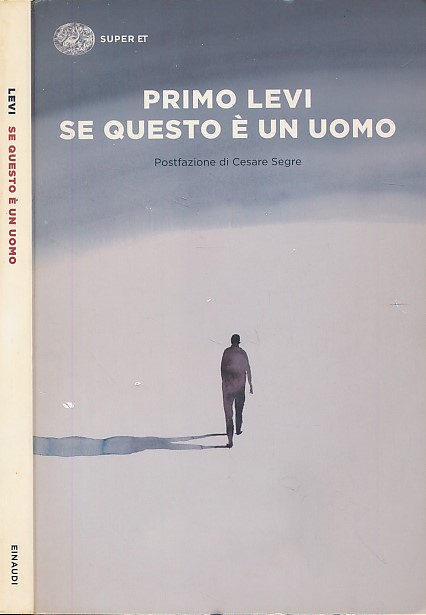
Testimonianza sconvolgente sull’inferno dei Lager, libro della dignita e dell’abiezione dell’uomo di fronte allo sterminio di massa, Se questo e un uomo e un capolavoro letterario di una misura, di una compostezza gia classiche. E un’analisi fondamentale della composizione e della storia del Lager, ovvero dell’umiliazione, dell’offesa, della degradazione dell’uomo, prima ancora della sua soppressione nello sterminio. Primo Levi, reduce da Auschwitz, pubblico Se questo e un uomo nel 1947. Einaudi lo accolse nel 1958 nei «Saggi» e da allora viene continuamente ristampato ed e stato tradotto in tutto il mondo.
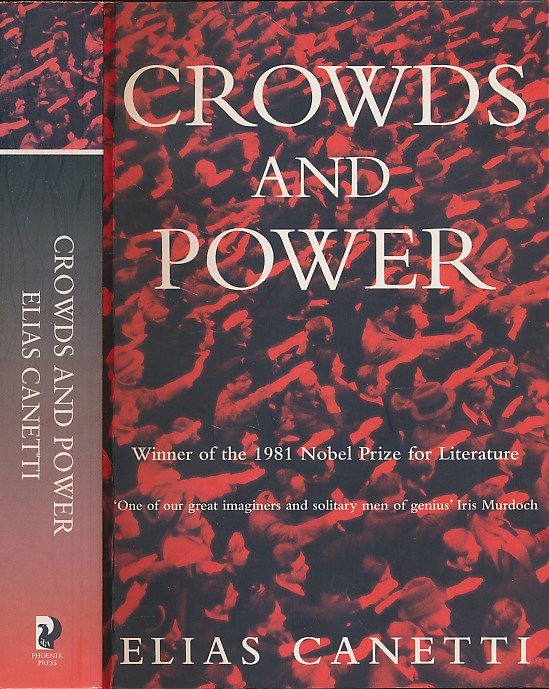
Crowds and Power is a revolutionary work in which Elias Canetti finds a new way of looking at human history and psychology. Breathtaking in its range and erudition, it explores Shiite festivals and the English Civil war, the finger exercises of monkeys and the effects of inflation in Weimar Germany. In this study of the interplay of crowds, Canetti offers one of the most profound and startling portraits of the human condition.