Oznaka:
The Uskoks of Senj
In this highly original and influential book, Catherine Wendy Bracewell reconstructs and analyzes the tumultuous history of the uskoks of Senj, the martial bands nominally under the control of the Habsburg Military Frontier in Croatia, who between the 1530s and the 1620s developed a community based on raiding the Ottoman hinterland, Venetian possessions in Dalmatia, and shipping on the Adriatic. Drawing on a broad range of sources, including the archives of the Dalmatian communes under Venetian rule and military frontier records, Bracewell provides the first comprehensive analysis of the uskoks as a social phenomenon, examining their origins, their military and social organization, their plunder economy, their mental world, and their relations with other groups in this borderland between three empires. The uskoks lived on the Christian-Muslim frontier, and they invoked Europe’s struggle against Islam to justify their often bloody deeds. As Bracewell demonstrates, however, their actions were also shaped by the maze of local political and economic rivalries, social conflicts, and confessional antagonisms. In a book that tests the concept of the social bandit, the author analyzes the motives that guided the uskoks and distinguishes these from the factors that impelled various elements of the local population to support them.
Seljačke bune u Hrvatskoj u XVII stoljeću
Ostali autori: Josip Barbarić Josip Kolanović Andrija Lukinović Vesna Šojat Opis: Građa.
Sternschnuppensommer
Der Sommerroman für LebenskünstlerinnenEin Landhaus in Frankreich! Eine Pause vom Beruf! Eine neue Liebe! So hatte sich Claire Sandmann diesen Sommer vorgestellt.Da kommt die Einladung ihrer alten Malerfreundin gerade recht, ein paar Wochen mit ihr in der Touraine zu verbringen. Dort warten herrliche Natur, liebenswerte Menschen – und dann noch jener rätselhafte Tierarzt, der nur Hunde an sich heranzulassen scheint … Ehe Claire es sich versieht, befindet sie sich in Gefühlswirren, gegen die ihr heimisches Alltagschaos ein Klacks ist. Und als wäre das nicht genug, taucht plötzlich eine gute Bekannte in Frankreich auf – zwei Kinder im Schlepptau, einen rachsüchtigen Kriminellen im Nacken und Todesangst im Blick …So aufregend kann das Leben sein! Zur Freude meiner Kundinnen – die wird Christine Vogeleys Buch begeistern.Petra Zimmermann, Bücher Logo & Mehr, Westerburg
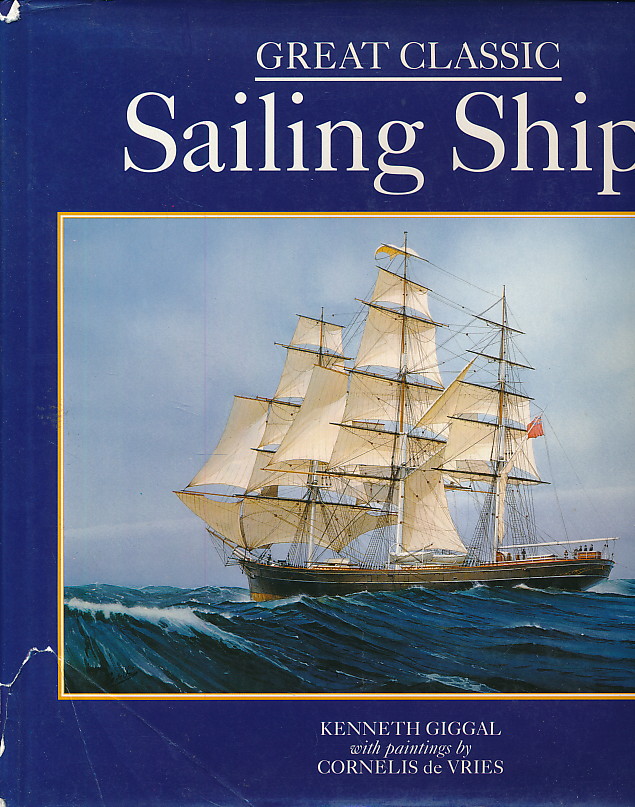
Great Classic Sailing Ships
The golden age of sail brought conquest, colonization and trade to the far corners of the world, allowing seafaring nations to greatly extend their power and influence. This history of the era tells the story through 40 of the most famous ships of the 16th to 19th centuries, including Victory, Santa Maria, Endeavour and Cutty Sark, each illustrated with a full-page reproduction of a painting by Dutch artist Cornelis de Vries.
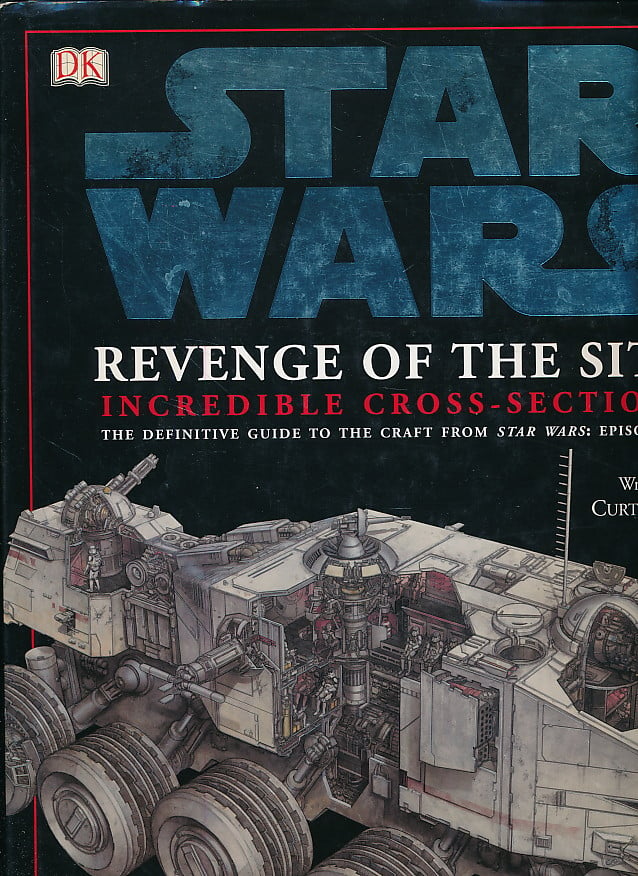
Star Wars : Revenge of the Sith Incredible Cross-Sections
The Definitive Guide to the Craft from Star Wars : Episode III
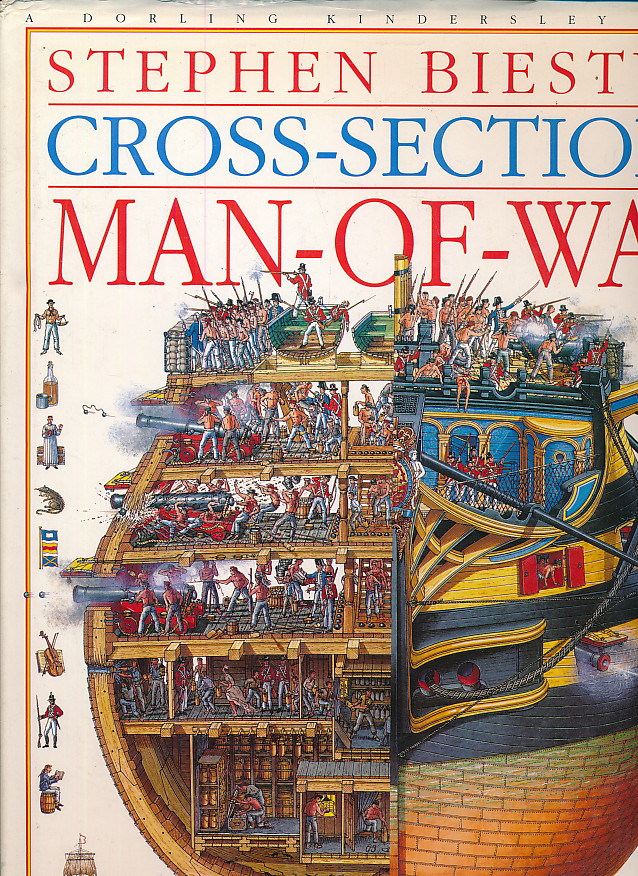
Stephen Biestys Cross-Sections : Man-of-War
Look inside an 18th-century warship as it sails into battle on the high seas. Packed with extraordinary illustrations, this history book for children covers everything from warship design to navigation. Biesty’s incredible drawings slice through a man-of-war to explore every corner, from the crow’s nest to the stinking hold. Packed with fascinating facts and gory details, the pages teem with sailors going about their duties. Find out how gun crews fired a cannon, examine a surgeon’s toolkit, and learn the best way to wriggle the maggots out of the ship’s biscuits. Look out, too, for the stowaway on every page. He’s the one with spiky hair, and there’s a reward for his capture!
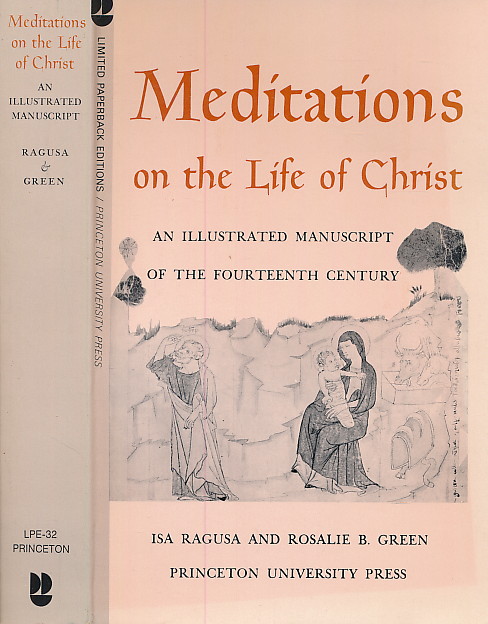
Meditations on the Life of Christ: An Illustrated Manuscript of the Fourteenth Century
Translated by Isa Ragusa. Completed from the latin and edited by Isa Ragusa and Rosalie B. Green.
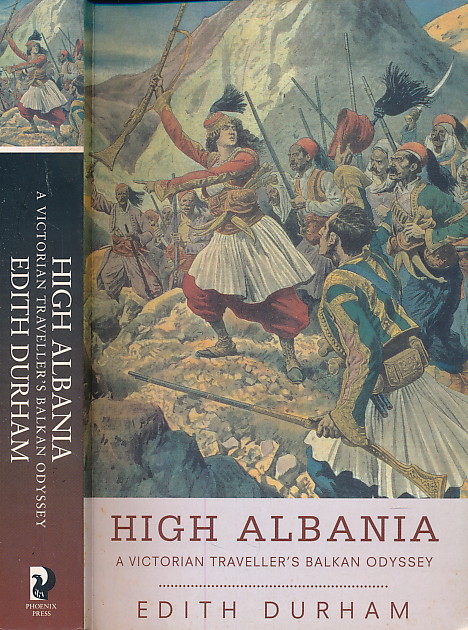
High Albania
Edith Durham began her travels late in life on her doctor’s orders. She sailed to Montenegro and began a love affair with the Balkans that lasted the rest of her life. This is her passionate account of life in the formidable mountainous terrain of Northern Albania.
Osnove elektrotehnike II : Izmjenična struja
Udžbenik za elektrotehničke škole smjer jake i slabe struje
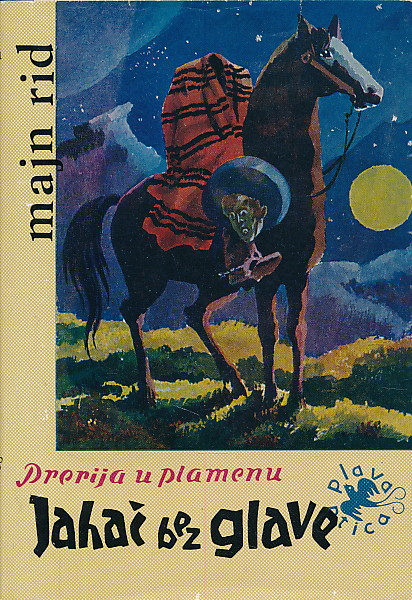
Jahač bez glave : roman
Čudan konjanik kreće se na jasnoj mjesečini preko noćne savane, užasavajući njezine stanovnike. Jahač nema glavu. Tko je on i odakle je došao? Ljubavno-detektivski zaplet romana Jahač bez glave drži čitatelja u neizvjesnosti od prve do posljednje stranice.

Pacifička željeznica
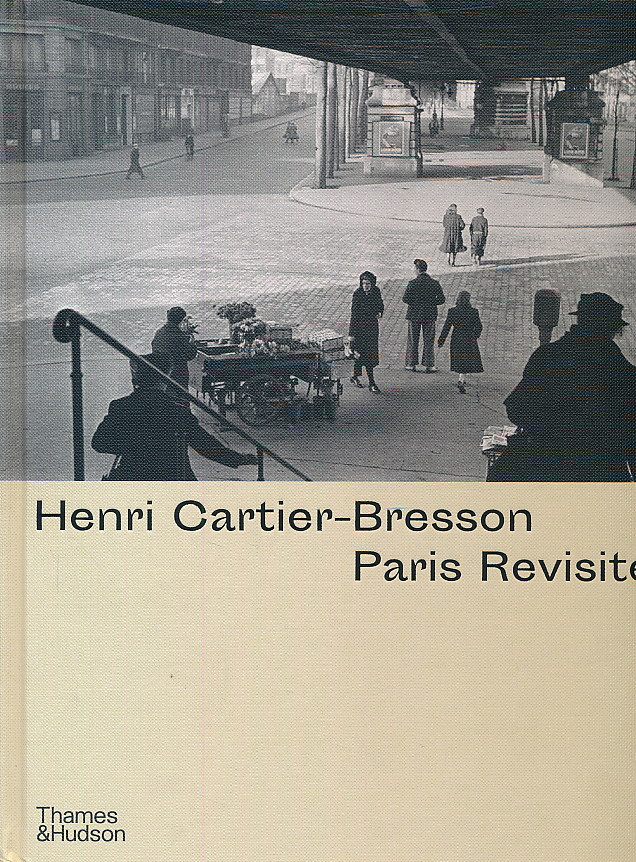
Henri Cartier-Bresson : Paris Revisited
Okorijeli putnik, Henri Cartier-Bresson (1908. – 2004.) svojim je fotoaparatom zabilježio svijet, s pravom si priskrbivši titulu ‘oka stoljeća’. Između putovanja u inozemstvo redovito je fotografirao Pariz, iako je rijetko govorio o gradu koji je učinio svojim domom, u kojem je proveo svoje godine formiranja, stekao prijateljstva i izgradio teško stečenu reputaciju. Proizvedena u suradnji sa Zakladom Henri Cartier-Bresson i dizajnirana da prati veliku izložbu u Musée Carnavalet, ova knjiga prikazuje više od šezdeset godina slika Pariza. Poziva vas da slijedite korake majstora fotografije dok luta obalama Seine i istražuje rijetko viđene rubove grada u stanju stalne promjene
Spokoj : roman
Istanbul u predvečerje Drugoga svjetskoga rata, svi se spremaju za rat, vlakovi su prepuni vojnika i napeto se čeka sljedeći Hitlerov potez. Još prethodnoga ljeta Mumtazu, mladome povjesničaru koji uživa u beskrajnim raspravama o glazbi, o položaju Turske i promjenama koje je donio Ataturk, sve se činilo idiličnim dok je sa svojom djevojkom kovao planove za blistavu budućnost. Kako da danas pomogne bratiću u smrtnoj opasnosti i što da učini sa samim sobom? Spokoj je još jedno remek-djelo oca suvremene turske književnosti Ahmeta Hamdi Tanpinara, u kojem izvrsno ocrtani likovi u procijepu između dvaju svjetova oživljuju pred očima čitatelja vraćajući ga jednim potezom pera cijeli jedan ljudski vijek unatrag. Ovaj roman prepun nostalgije i razmišljanja o osmanskoj i suvremenoj Turskoj predivna je ljubavna priča koja prije svega govori o naravi čovjeka. Spokoj je roman o islamskome misticizmu i modernosti te najljepša posveta Istanbulu, gradu zaboravljenih virtuoza tradicionalne osmanske glazbe i spokoja kakav postoji samo na Orijentu.

Sophia
Žeželjev Sophia jedan je od onih stripova koji se neprestano mijenjaju pred očima promatrača. Taman kad vam se učini da ste ga uhvatili za glavu i za rep, prometne se u nešto drugo. Metamorfoza je njegov integralni dio, mehanizam na kojem počiva, na koji se oslanja i koji ni danas, skoro trideset godina nakon što je ugledao svijetlo dana, ne prestaje začuđivati. Ponekad, u potrazi za metamorfozama, silujemo materijal pred nama. Izvrćemo ga na sve strane tražeći u njemu novi aspekt, neku novu nijansu koja se još nije ukazala pred zainteresiranim očima. Ponekad, u slučaju stripova poput Sophie, takvo nasilje nije potrebno. Sam strip se otvara interpretaciji, istraživanju, zazivajući poglede koji će njegovim „kriptičnim“ tablama podariti smisao. Što se više udaljavamo od vremena nastanka, to više do izražaja dolazi komunikacijski aspekt između živog čitatelja smještenog u sasvim određenom prostor-vremenu i „mrtvih, nepokretnih slika – statičnih dokumenata nekog drugog prostor-vremena.“ Žeželjev Sophia pojavio se 1994. godine i to na dva mjesta. U Italiji, u mjesečnim epizodama u časopisu Il Grifo (kasnije okupljenima u album u nakladi Editori del Grifo), i u Hrvatskoj – u nakladi X-pressa i radija 101. prve stranice Sophie su poput zrcala održavale hrvatsku svakodnevicu. Stare more kiberpankera, futurističkih apokaliptičara i zlogukih proroka distopijskih političkih sustava. Sophia je i onda, kao uostalom i danas, u sebi nosio utjecaje Millis/Ezquerrinog judge Dredda, i onda je, kao i danas, bilo nešto Prattove poetike u Sophijinom liku, no daleko više od parafraze distopijskih kronika iz časopisa 2000 AD, ili avantura Corta Maltesea… Svakom su dobu potrebni junaci. Likovi koji transcendiraju vrijeme u kojem su nastali i time postaju ikoničko svijetlo na kraju tunela. Strip je, kako to dobro znamo, od svojih početaka neprestano pokušao proizvesti upravo njih. Podariti im lik i oblik, uokviriti ih u mit i tako zapakirane predati na korištenje novim generacijama. Neke od njih smo zaboravili, a nekima više ne vjerujemo. Cortu Malteseu, na primjer. Previše je uglađen, previše fin i previše vezan uz romantične ideale nekih drugih epoha… U Sophiu – debelog policajca bez sreće, mrguda, barabu, budaletinu, ovisnika, kurvara i praktičnog sanjara-lutalicu koji djeci krade lizalice iz usta – u Sophiu već nekako možemo povjerovati.
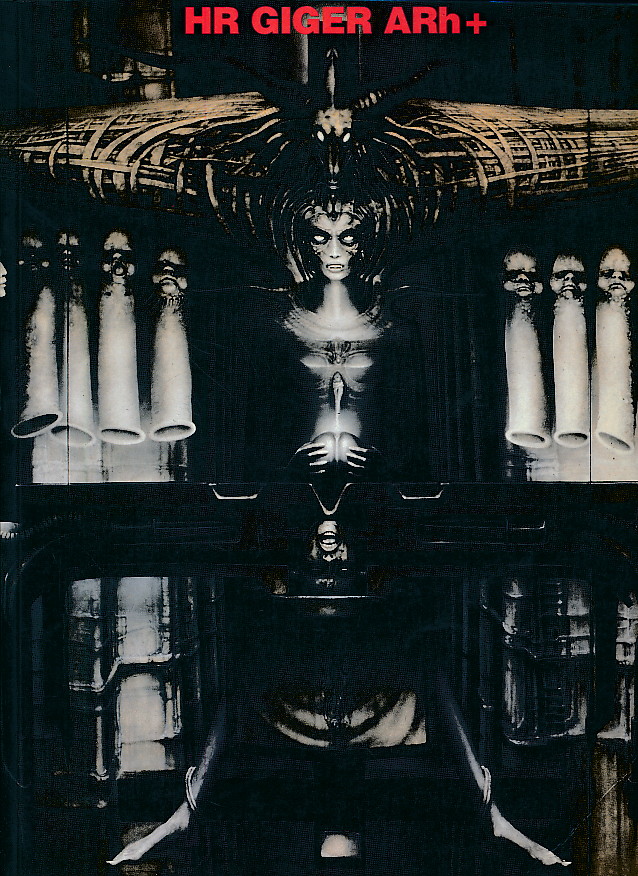
HR GIGER ARh +
H.R. Giger?s multi-faceted career: From surrealistic dream landscapes to album cover designs and sculptures For decades H.R. Giger (1940?2014) reigned as one of the leading exponents of fantastic art. After he studied interior and industrial design for eight years at the School of Commercial Art in Zurich, Switzerland, from 1962 till 1970, he was soon gaining attention as an independent artist, with endeavors ranging from surrealistic dream landscapes created with a spray gun and stencils, to album cover designs for famous pop stars, and sculptures. In addition, Giger?s multi-faceted career includes designing two bars, located in Tokyo and Chur, as well as work on various film projects?his creation of the set design and title figure for Ridley Scott?s filmAlien won him not only international fame but also an Academy Award for Best Achievement for Visual Effects (1980).
Električna postrojenja : rasklopna i razvodna postrojenja elektrane
III. izdanje
Marine Electrical Equipment and Practice
Batteries and Emergency Systems Electronic Equipment Alternators AC Switchboards AC Motors DC Generators DC Switchboards DC Motors Miscellaneous Items Safe Electrical Equipment, and Electrical Safety
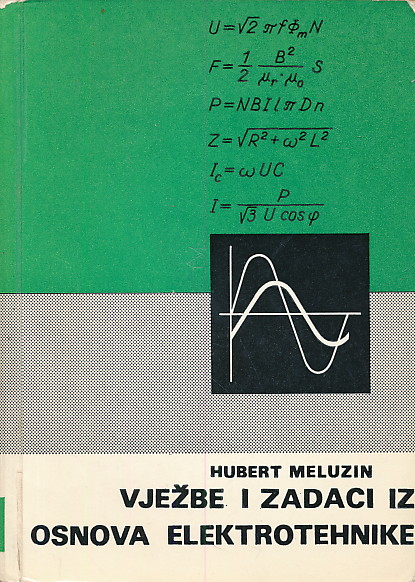
Vježbe i zadaci iz osnova elektrotehnike, svezak drugi
Elektromagnetizam Učinci elektromagnetskih sila Elektromagnetska indukcija Jednofazna struja Trofazna struja Poboljšanje faktora snage cos fi Proračun prigučnice Proračun transformatora
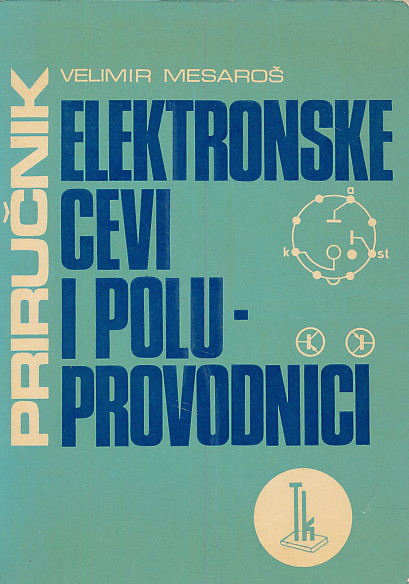
Elektronske cevi i poluprovodnici: priručnik
III. prošireno i dopunjeno izdanje Elektronske cevi Cevi evropske proizvodnje – prijemne , pojačavačke i ispravljačke cevi – cevi za stabilizaciju napona i struje i tiratron cevi – katodne cevi – fotoćelije i druge foto cevi – specijalne cevi Cevi američke proizvodnje Cevi proizvodnje SSSR-a (ruske cevi) Pregled postolja cevi Poluprovodnici Poluprovodnici evropske proizvodnje Poluprovodnici američke proizvodnje Poluprovodnici proizvodnje SSSR-a Pregled oblika i veličine poluprovodnika
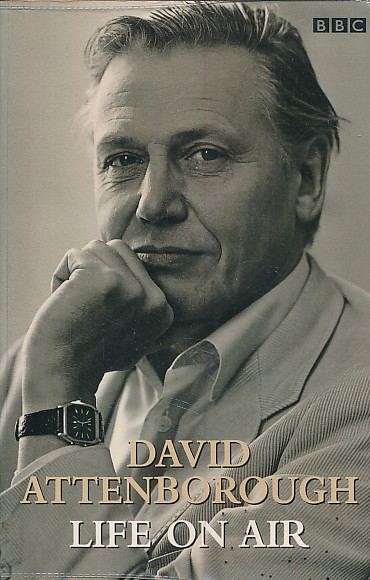
Life on Air: Memoirs of a Broadcaster
David Attenborough hardly needs any introduction; his voice has accompanied so many of the best natural history programs that have graced our televisions over several decades. Life On Air , his autobiography, tells the story of how he has managed to professionalise his schoolboy interests in such a remarkably successful way. Attenborough’s Life On Air began in 1950, having taken a degree in Natural Sciences in the University of Cambridge, done National Service in the Navy, got married, done a year as an editor with an educational publisher, had a son and then answered a BBC recruiting ad in the Times . Turned down for BBC Radio, he was offered a traineeship in BBC TV which was pioneering the medium in Britain and he has never looked back. The rest is TV history and you can read Sir David’s personal view of it all in his engaging and highly entertaining book. This is no boring story of the rise and rise of a media mogul in the smoke-filled rooms of Ally Pally and Lime Grove. Having served his apprenticeship producing programmes like Animal, Vegetable, Mineral? and Song Hunter with the famous American folk singer and song collector Alan Lomax, he managed to escape from the confines of overlit studios into the natural world. Zoo Quest began in 1954 with an animal collecting trip to Sierra Leone and David Attenborough had found his metier. Since then he has managed to bring the wonders of the natural world into millions of living rooms around the world and to reach general audiences without patronising them, without any spurious antics, silly voices or dumbing down. His animal and plant subjects are the stars, Attenborough is the master of ceremonies who introduces the acts for our wonder and amazement. But his scope extends way beyond the birds and the bees. In the 1960s, it was suggested that he took up an administrative post–after all, you won’t want to be gallivanting around the world when you are 50. Fortunately, he did not abandon gallivanting for admin but went freelance, studied anthropology and helped extend our view of native peoples and sympathies for their life styles. He went on to become responsible for coming up with famous BBC TV series such as Kenneth Clark’s incredibly successful Civilisation series, followed by Bronowski’s The Ascent of Man . Inevitably, he did become one of the BBC suits but one that wore a camouflage jacket. What is remarkable is that Attenborough has managed to do it for so long without really changing his own style too much. He has not had to because the technology has changed and so he has constantly been able to give new views and insights into the details of life on Earth. Writing pretty much as he speaks, it is easy to hear his voice, dry sense of humour and generosity coming through all the time. Do not expect to read personal details, navel-gazing or malicious gossip–that is not his style. The only personal note comes at the end with the death of his wife in 1997. Over 100 photos associated with the huge range of programmes he has been intimately involved with decorate Life On Air , a fascinating personal story of our times. He says that he knows of no pleasure deeper than that which comes from contemplating the natural world and trying to understand it; he certainly manages to convey that in Life On Air . — Douglas Palmer
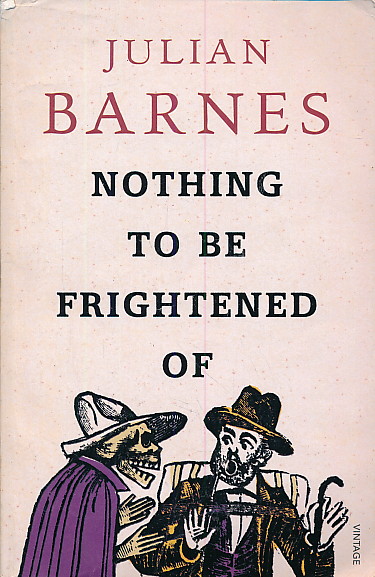
Nothing to Be Frightened Of
Two years after the best-selling Arthur & George, Julian Barnes gives us a memoir on mortality that touches on faith and science and family as well as a rich array of exemplary figures who over the centuries have confronted the same questions he now poses about the most basic fact of life: its inevitable extinction. If the fear of death is the most rational thing in the world, how does one contend with it? An atheist at twenty, an agnostic at sixty, Barnes looks into the various arguments for and against and with God, and at the bloodline whose archivist, following his parents’ death, he has become—another realm of mystery, wherein a drawer of mementos and his own memories (not to mention those of his philosopher brother) often fail to connect. There are other ancestors, too: the writers—most of them dead, and quite a few of them French—who are his daily companions, supplemented by composers and theologians and scientists whose similar explorations are woven into this account with an exhilarating breadth of intellect and felicity of spirit. Deadly serious, masterfully playful, and surprisingly hilarious, Nothing to Be Frightened Of is a riveting display of how this supremely gifted writer goes about his business and a highly personal tour of the human condition and what might follow the final diagnosis.

Hanns and Rudolf: The True Story of the German Jew Who Tracked Down and Caught the Kommandant of Auschwitz
May 1945. In the aftermath of the Second World War, the first British War Crimes Investigation Team is assembled to hunt down the senior Nazi officials responsible for the greatest atrocities the world has ever seen. One of the lead investigators is Lieutenant Hanns Alexander, a German Jew who is now serving in the British Army. Rudolf Höss is his most elusive target. As Kommandant of Auschwitz, Höss not only oversaw the murder of more than one million men, women, and children; he was the man who perfected Hitler’s program of mass extermination. Höss is on the run across a continent in ruins, the one man whose testimony can ensure justice at Nuremberg. Hanns and Rudolf reveals for the very first time the full, exhilarating account of Höss’s capture, an encounter with repercussions that echo to this day. Moving from the Middle Eastern campaigns of World War I to bohemian Berlin in the 1920s to the horror of the concentration camps and the trials in Belsen and Nuremberg, it tells the story of two German men—one Jewish, one Catholic—whose lives diverged, and intersected, in an astonishing way. This is one of those true stories that illuminates a small justice in the aftermath of the Holocaust, an event so huge and heinous that there can be no ultimate justice (New York Daily News).
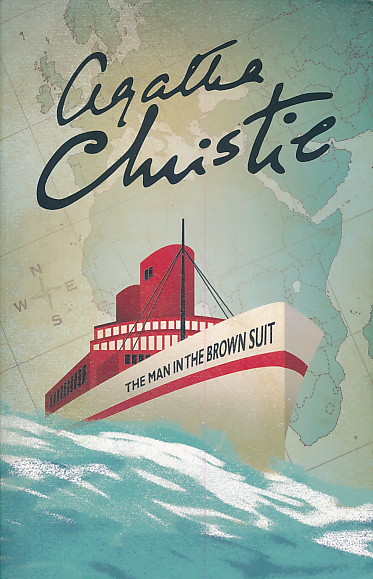
The Man in the Brown Suit
Newly-orphaned Anne Beddingfield is a lovely English girl hoping for a bit of adventure in London. But she struggles upon more than she bargained for! Anne is on the platform at Hyde Park Corner tube station when a man falls onto the live track, dying instantly. A doctor examines the man, pronounces him dead, and leaves, dropping a note on his way. Anne picks up the note, which reads 17.1 22 Kilmorden Castle. The next day the newspapers declare that a gorgeous ballet dancer has been discovered dead there brutally strangled. A tremendous fortune in diamonds has disappeared. And now, aboard the extravagance liner Kilmorden Castle, spooky strangers loot her cabin and try to choke her. What are they looking for? Why should they want her dead? Lovely Anne is the last person on earth suited to solve this mystery… and the only one who can! Anne’s journey to untwist the mystery takes her as far afield as Africa and the strain mounts with every step… And Anne finds herself toiling to unmask a faceless assassin known only as ‘The Colonel.’ A Colourful Murder Mystery