Komedija u pet činova Williama Shakespeara. Preveo Stjepko Španić.

Komedija u pet činova Williama Shakespeara. Preveo Stjepko Španić.
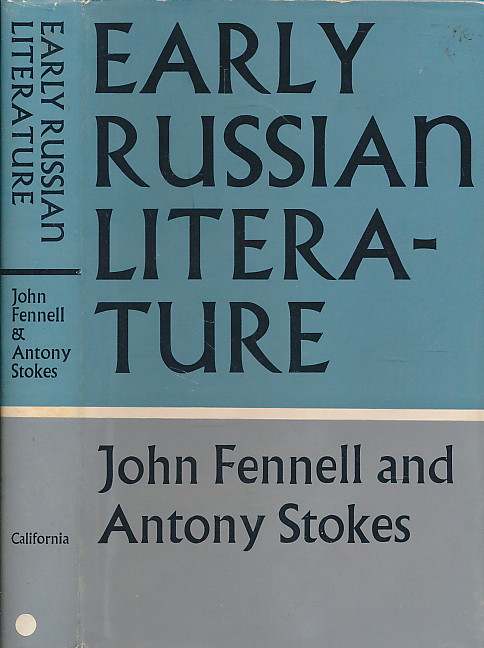
by Fennell, John; Stokes, Antony

BCBG: Le guide du bon chic, bon genre (Collection Les Guides Herme) (French Edition) by Thierry Mantoux

Posle pojave Fame o biciklistima, slobodno se može tako reći, srpska proza više nije bila ista, kao što ni Basara nije bio isti pisac, kao što ni ja nisam bio isti čitalac. Tim romanom Basara je uspostavio prozni model kojim će se u narednim godinama često služiti, model zbornika, kako Famu o biciklistima predstavlja priređivač S. B. u svom predgovoru. Već prvom rečenicom on uspostavlja vezu sa Borhesovom Vavilonskom bibliotekom i postmodernističkim stavom da je pisanje, pre svega, naša reakcija na već napisano, ne na stvarni svet, nego na svet stvoren u knjigama. Svet je privid, a pisanje je privid privida. – David Albahari
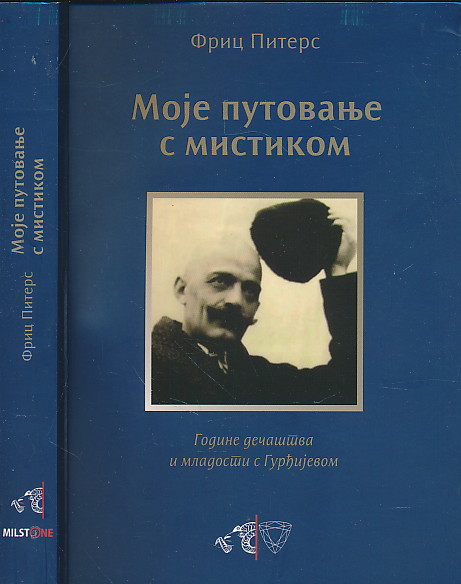
Ovo prvo izdanje na srpskom jeziku, obuhvata Pitersovu knjigu Dečaštvo s Gurđijevom, kao i njegov nastavak, Sećanje na Gurđijeva, zajedno s predgovorom Henrija Milera. Pre svega, izgleda važno naglasiti činjenicu da sam prvenstveno bio zainteresovan i obuzet njim samim – ne njegovim učenjem; bar ne u intelektualnom smislu. S druge strane, mislim da je bilo nemoguće biti u bilo kakvoj vezi s njim, a ne biti dodirnut onim što je podučavao – on je otelovljavao svoje učenje. Ako sam svestan bar jedne, stalne posledice Gurđijeva u sebi, to je svest o potpunom paradoksu. Dvojnost čovekove prirode (bilo da se ispoljava u meni ili u nekom drugom) izgleda da je, zahvaljujući Gurđijevu, stanje koje nikad neću moći da zaboravim. Jedini prost primer koji mogu da dam – a prilično je složen – jeste da mi izgleda da deo mene nikada nije odrastao, i da nikada neće odrasti u uobičajenom smislu te reči. Pripisujem to Gurđijevu zato što mi se čini da je jedan od njegovih ciljeva bio da ohrabruje zadržavanje izvesne dečje naivnosti u svakome. U svojim spisima on govori o neophodnosti da čovek bude „sposoban da sačuva i vuka i ovcu nepovređene u sebi. – Fric Piters

Veliki filozofi se tokom vremena zaboravljaju i ponovo otkrivaju. Oni nikada nisu dovoljno shvaćeni i sagledani. Ostaje tako kao da se ono što je veliko uvek mora otkriri, čak i kada se spolja čini sasvim poznatim. Ono zadržava svoju svežinu zahvaljujući izvornosti sa kojom se shvata u jednoj novoj generaciji, kao da je velikan tek sada došao do izražaja sa svojim bićem. Velikani su stupili u svet da bi ih čuli, ali oni stolećima mogu biti izgubljeni, sve dok neki čovek ne čuje njihov jezik.

U Pitanju krivice, objavljenom neposredno nakon Drugog svetskog rata, Jaspers se suocava sa sopstvenom odgovornošću i odgovornošću drugih koji su se protivili nacistima zbog strasnih zločina koje su počinili. Jaspers je najistaknutiji intelektualac koji je progovorio protiv nacista i preživeo rat u Nemackoj. Kada je bilo moguce govoriti protiv nacista, Jaspers je to ucinio. Kada to vise nije bilo moguce, postao je pripadnik unutrasnje emigracije- (iz predgovora Arijea Najera)

Ako u duhovnom svetu ne postoji filozofija, onda bi zadatak, barem, trebalo da se sastoji u tome da se pokaže šta je ona, da se usmeri pogled na velike filozofe, da se ne dopusti da se beznačajnost prikazuje kao nešto veliko, da se kod mladih probudi sklonost za istinsku filozofiju.. Počeci, školovanje, odnosi sa poznatim savremenicima, razmišljanja Karla Jaspersa, objašnjenja..

Veliki filozofi se tokom vremena zaboravljaju i ponovo otkrivaju. Oni nikada nisu dovoljno shvaćeni i sagledani. Ostaje tako kao da se ono što je veliko uvek mora otkriri, čak i kada se spolja čini sasvim poznatim. Ono zadržava svoju svežinu zahvaljujući izvornosti sa kojom se shvata u jednoj novoj generaciji, kao da je velikan tek sada došao do izražaja sa svojim bićem. Velikani su stupili u svet da bi ih čuli, ali oni stolećima mogu biti izgubljeni, sve dok neki čovek ne čuje njihov jezik.

Fans around the world adore the bestselling No. 1 Ladies’ Detective Agency series, and Precious Ramotswe, Botswana’s premier lady detective. In this charming series, Mma Ramotswe navigates her cases and her personal life with wisdom, and good humor-not to mention help from her loyal assistant, Grace Makutsi, and the occasional cup of tea. In this latest installment in the charming, bestselling series, Precious Ramotswe faces two confounding cases: the mysterious fate of some cows, and the ghost-like reappearance of her dear old white van. As Mma Ramotswe investigates the deaths of cows at a cattle post outside Gaborone, she finds herself also pursuing other mysteries closer to home. One of Mr. J.L.B. Matekoni’s apprentices appears to have gotten a girl pregnant, and has run away to avoid marrying her. Meanwhile, Precious sees her beloved old van-sent to the junkyard long ago-trundling around the city again. Has the van been miraculously revived, or is she hallucinating? Further complicating matters are Violet Sephotho’s newly launched campaign for a seat in Botswana’s parliament, and Grace Makutsi’s growing fears that she’ll never be able to marry her fiancE Phuti Radiphuti if she can’t find the perfect pair of wedding shoes. As ever, Precious will draw on her trademark grace and wisdom as she helps unravel all these tangled threads.
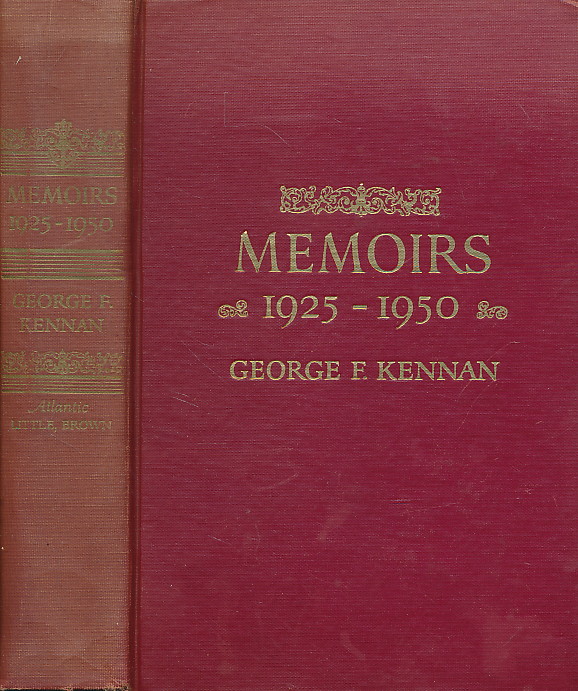
This book is the personal and professional record of one of America’s most distinguished diplomats, George F. Kennan. On his graduation from Princeton in 1925, moved perhaps by the example of his distant cousin George Kennan, who wrote the classic work on Siberia, the younger George prepared to enter the Foreign Service. After a short exposure to diplomacy in Germany and on the Baltic Coast, the young consul felt so inadequate that he was about to resign. His career was salvaged when the State Department registered him as a student of Russian at the University of Berlin, and here he began to acquire his knowledge of and insight into the Russian character which were to serve him so well. It has been Mr. Kennan’s destiny to be posted repeatedly at the threshold of crises. His fluency in Russian make him an indispensable member of Ambassador Bullitt’s small staff which reopened the American Embassy in Moscow in 1933. He was an observer at Stalin’s famous purge trials. He was in Prague when the Germans took over Czechoslovakia. When Hitler declared war on the United States, Mr. Kennan was in Berlin and was interned for six months. He was Harriman’s right-hand man in Moscow from 1944 to 1946 during the strenuous war negotiations with the Kremlin. Throughout this long exposure to the agony of Europe, Mr. Kennan was evolving policies for dealing with the Russians and, after the end of the war, the Germans. His Russian policies he defined in a series of farsighted Position Papers, which were sent to the State Department and pigeonholed without comment.
Excellent état – langue français/grec Société d’Editions Les Belles Lettres, Paris, 1954. 2e Édition. Texte établi et traduit par Émile Bréhier.
Veliki filozofi se tokom vremena zaboravljaju i ponovo otkrivaju. Oni nikada nisu dovoljno shvaćeni i sagledani. Ostaje tako kao da se ono što je veliko uvek mora otkriri, čak i kada se spolja čini sasvim poznatim. Ono zadržava svoju svežinu zahvaljujući izvornosti sa kojom se shvata u jednoj novoj generaciji, kao da je velikan tek sada došao do izražaja sa svojim bićem. Velikani su stupili u svet da bi ih čuli, ali oni stolećima mogu biti izgubljeni, sve dok neki čovek ne čuje njihov jezik. Treća i poslednja u nizu, Jaspersova knjiga iz obimnog dela Veliki filozofi, koje je zapravo Jaspersova varijanta istorija filozofije.

Mihovil Pavlinović: Različiti spisi Mihovila Pavlinovića god. 1869-74. Zadar: Tiskom Narodnog lista, 1875. Dalmatinskoj omladini ove crte na dušu. Pavlinović se zalagao za nacionalno osvješćivanje dalmatinskog puka.

The songs, carols, and poems of medieval England evoke a people whose principal literary preoccupations were their passions, religious and otherwise. This comprehensive collection presents 187 poems, earthy and ethereal, from this tradition. All too often, this great body of poetry is represented in anthologies by a scattering of all-too-well-known poems, or by one or two unfamiliar ones for which there are often inadequate linguistic and critical notes. R.T. Davis, Lecturer in English Literature at the University of Liverpool, has incorporated extensive linguistic and critical notes on the lyrics in this collection, and even the student without experience with Middle English will be able to read and appreciate the works. In addition to being the first critical anthology of medieval English lyrics ever published, it is a revealing portrait of a people far removed from us in time, but very much like ourselves.

This classic bestseller — the inspiration for the PBS series — is an illuminating and even inspiring portrait of medieval Spain that explores the golden age when Muslims, Jews, and Christians lived together in an atmosphere of tolerance (Los Angeles Times). This enthralling history, widely hailed as a revelation of a lost golden age, brings to vivid life the rich and thriving culture of medieval Spain, where for more than seven centuries Muslims, Jews, and Christians lived together in an atmosphere of tolerance, and where literature, science, and the arts flourished. It is no exaggeration to say that what we presumptuously call ‘Western’ culture is owed in large measure to the Andalusian enlightenment…This book partly restores a world we have lost. —Christopher Hitchens, The Nation
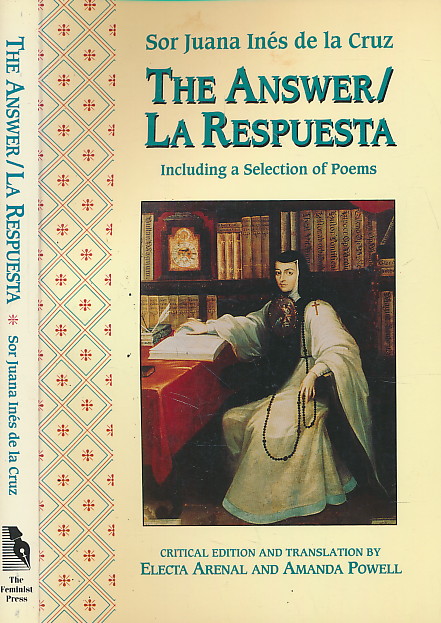
Sor Juana In&ecute;s de la Cruz (1648/51-1695), a Mexican nun, wrote this essay which is a defense of the right of women to be engaged in intellectual work. Her writings brought her into conflict with the Church. Juana Inés de la Cruz was born in a town in the Valley of Mexico to a Creole mother Isabel Ramírez and a Spanish military father, Pedro Manuel de Asbaje. As a child, she learned Nahuatl (Uto-Aztec language spoken in Mexico and Central America) and read and write Spanish in the middle of three years. Thanks to her grandfather’s lush library, Juana Inés de la Cruz read the Greek and Roman classics and the theology of the time, she learned Latin in a self-taught way. In 1665, admired for her talent and precocity, she was lady-in-waiting to Leonor Carreto, wife of Viceroy Antonio Sebastián de Toledo. Sponsored by the Marquises of Mancera, she shone in the viceregal court of New Spain for her erudition and versifying ability. In 1667, Juana Inés de la Cruz entered a convent of the Discalced Carmelites of Mexico but soon had to leave due to health problems. Two years later she entered the Order of St. Jerome, remaining there for the rest of her life and being visited by the most illustrious personalities of the time. She had several drawbacks to her activity as a writer, a fact that was frowned upon at the time and that Juana Inés de la Cruz always defended, claiming the right of women to learn. Shortly before her death, she was forced by her confessor to get rid of her library and her collection of musical and scientific instruments so as not to have problems with the Holy Inquisition, very active at that time. She died of a cholera epidemic at the age of forty-three, while helping her sick companions. The emergence of Sor Juana De La Cruz in the late seventeenth century was a cultural miracle and her whole life was a constant effort of stubborn personal and intellectual improvement. by Sor Juana Ines de la Cruz (Author), Electa Arenal (Translator), Amanda Powell (Translator)
The author was a Scottish soldier, writer and politician. Issued in Britain under the title Eastern Approaches, this book is Maclean’s account of his experiences as a diplomat and military officer and his first years as a member of Parliament. It has been widely speculated that Ian Fleming used Maclean as one of his inspirations for James Bond. This is the classic true adventure story of a man who by the pen, the sword and the diplomatic pouch influenced some of the most significant events of our era. Here Fitzroy Maclean recounts his extraordinary adventures in Soviet Central Asia, in the Western Desert, where he specialized in hair-raising commando-style raids behind enemy lines, and with Tito’s partisans during the last months of the German occupation of Yugoslavia. An enthralling narrative, brilliantly told, it is also a vivid personal view of episodes that have already become part of history.
treće popravljeno izdanje.


An ambitious study if myth patterns in literature from the Book of Job to the existentialists. Dr. Slochower provides a systematic reexamination of our major literary classics that combines anthropological, psychoanalytic, and literary critical perspectives. His major thrust implies a denial of the ever increasing specialization of humanistic studies that treats the great classics of our literary tradition as either literature or psychology or sociology or religion or philosophy. His analysis considers Freudian motifs as determining factors in the modern intellectual drama. But its over-all perspective is the view of Mythopoesis as the center in which the various cultural forms meet and form an organic fusion. Dr. Slochower’s multi-faceted perspectives lead him to a re-view of the entire scope of Western consciousness. He connects the contemporary revival of myth with man’s enormous creative potential which points to the possibility of a unified world.