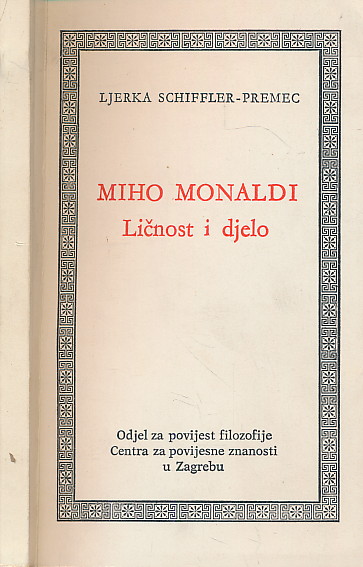
Oznaka:
The legacy of the middle ages

Rules for Aging: A Wry and Witty Guide to Life
One of USA Today’s Best Self-Help Books of the Year, the national bestseller Rules for Aging from New York Times bestselling author and beloved prize-winning essayist Roger Rosenblatt, is a witty and humorous guide about the trials and tribulations of getting older. Rosenblatt has commented on most of the trends and events of our time. His columns in Time magazine and his commentaries on PBS’s News Hour with Jim Lehrer have made him a household word and a trusted friend of millions. With a wry sense of humor and inimitable wit, Rosenblatt offers here guidelines for aging that are both easy to understand and, more importantly, easy to implement. More and more in the news today, we are hearing about phenomenal advances in the fight against aging. But what Rosenblatt suggests to combat age is far more valuable than any scientific breakthrough — he breaks down the hardest part of aging, the mental anguish of growing older with fifty-four gems of funny, brilliant, wise, indispensable advice. A book to savor, a book to keep, and a book for all ages. This little guide is intended for people who wish to age successfully, or at all.
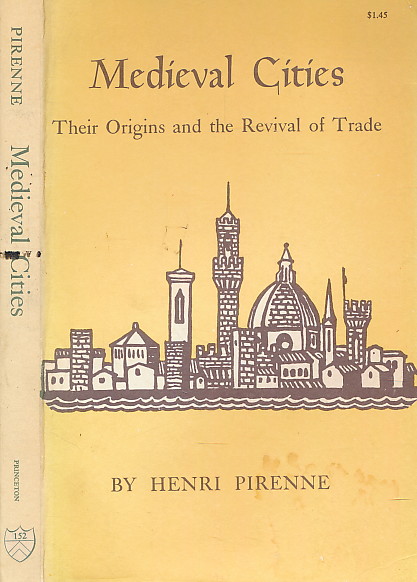
Medieval Cities: Their Origins and the Revival of Trade
Henri Pirenne is best known for his provocative argument–known as the Pirenne thesis and familiar to all students of medieval Europe–that it was not the invasion of the Germanic tribes that destroyed the civilization of antiquity, but rather the closing of Mediterranean trade by Arab conquest in the seventh century. The consequent interruption of long distance commerce accelerated the decline of the ancient cities of Europe. Pirenne first formulated his thesis in articles and then expanded on them in Medieval Cities. In the book Pirenne traces the growth of the medieval city from the tenth century to the twelfth, challenging conventional wisdom by attributing the origins of medieval cities to the revival of trade. In addition, Pirenne describes the clear role the middle class played in the development of the modern economic system and modern culture. The Pirenne thesis was fully worked out in the book Mohammed and Charlemagne, which appeared shortly after Pirenne’s death. Pirenne was one of the world’s leading historians and arguably the most famous Belgium had produced. During World War I, while teaching at the University of Ghent, he was arrested for supporting Belgium’s passive resistance and deported to Germany, where he was held from 1916 to 1918. In 1922, universities in various parts of the United States invited him to deliver lectures: out of these lectures grew Medieval Cities, which appeared in English translation before being published in French in 1927.
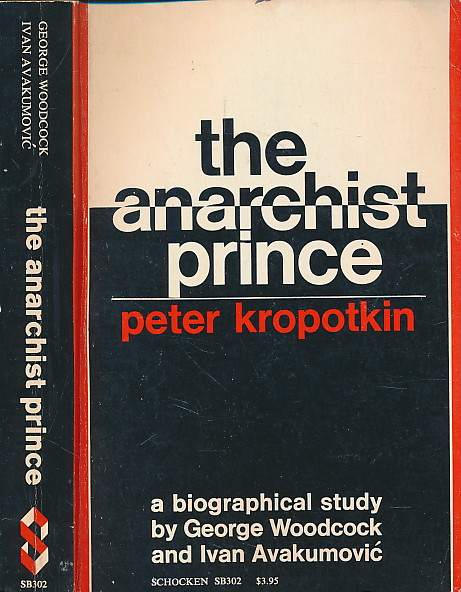
The Anarchist Prince: A Biographical Study of Peter Kropotkin
Born in 1842 into an ancient military family of Russian princes, Kropotkin was selected as a child for the elite Corps of Pages by Tsar Nicholas I himself. Shortly before his death in 1921, he had moved so far from his aristocratic beginnings and attained such stature as a libertarian leader that he could write with impunity to Lenin, “Vladimir Ilyich, your concrete actions are completely unworthy of the ideas you pretend to hold.”The Anarchist Prince details the life that flowed between these two points in time – Kropotkin’s rejection of an army career, his awakening to anarchist principles, his arrest and daring escape from Russia to the West, his impressive scientific achievements, his exile in England, and, most of all, his unfailing devotion to humanity. by George Woodcock (Author), Ivan Avakumovic (Author)
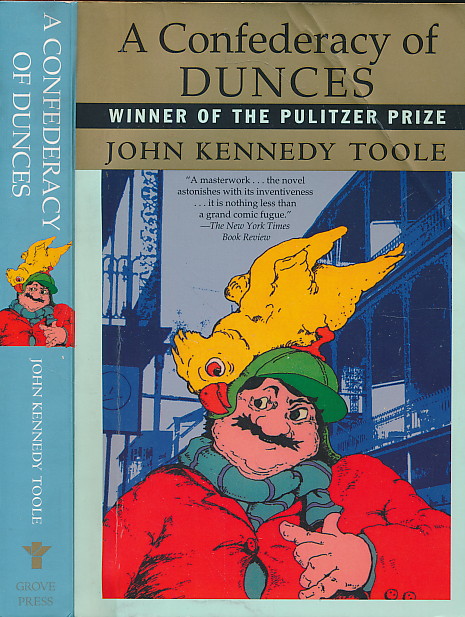
A Confederacy of Dunces
Winner of the Pulitzer Prize “A masterwork . . . the novel astonishes with its inventiveness . . . it is nothing less than a grand comic fugue.”?The New York Times Book Review A Confederacy of Dunces is an American comic masterpiece. John Kennedy Toole’s hero, one Ignatius J. Reilly, is huge, obese, fractious, fastidious, a latter-day Gargantua, a Don Quixote of the French Quarter. His story bursts with wholly original characters, denizens of New Orleans’ lower depths, incredibly true-to-life dialogue, and the zaniest series of high and low comic adventures (Henry Kisor, Chicago Sun-Times).
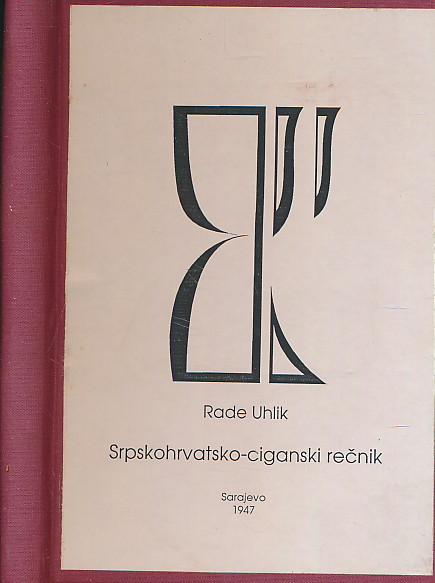
Srpskohrvatsko-ciganski rečnik (Romane alava)
Pretisak.
America as a civilization;: Life and thought in the United States today
Priručni rječnik tuđih riječi i fraza : za praktičnu uporabu pri čitanju i pisanju
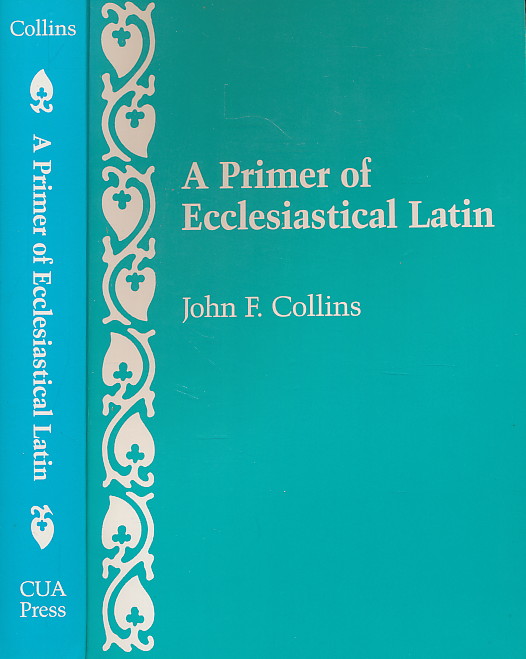
A Primer of Ecclesiastical Latin
The chief aim of this primer is to give the student, within one year of study, the ability to read ecclesiastical Latin. Collins includes the Latin of Jerome’s Bible, of canon law, of the liturgy and papal bulls, of scholastic philosophers, and of the Ambrosian hymns, providing a survey of texts from the fourth century through the Middle Ages. An Answer Key to this edition is now available. Please see An Answer Key to A Primer of Ecclesiastical Latin, prepared by John Dunlap.

Martin Secker and Warburg: The First Fifty Year
A Memoir George Malcolm Thomson.

The Perfect Gentleman, or Etiquette and Eloquence
New York: Dick & Fitzgerald, 1860. Hardcover. A Civil War era guide (published in President Buchanan’s term) to correct behavior for gentlemen in which the author notes the beginnings of a code of etiquette which is distinctly American. With an amusing chapter Etiquette at Washington, with a section titled ‘The President’ in which it is noted that Buchanan set aside hours each week to receive friendly visits from the public. Includes descriptions of speeches (of a patriot, of an impudent man and a man of honor); etiquette at the dinner table, in introductions; table wit and anecdotes; and giving toasts (includes Masonic toast).
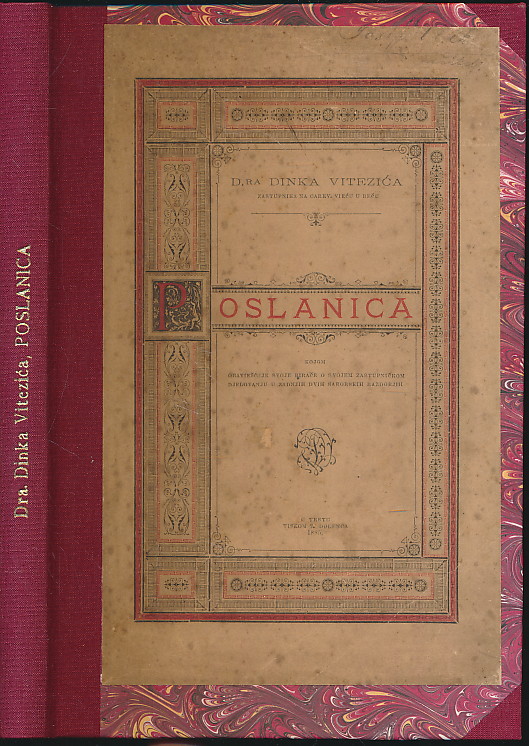
Poslanica kojom Dr. Dinko Vitezić, zastupnik na Carev. vieću u Beču obaviešćuje svoje birače o svojem zastupničkom djelovanju u zadnjih dvih saborskih razdobjih.
Str. [III]-V: Mojim biračima u izbornih kotarih Pazinskom, Voloskom i Lošinjskom sa Krčkim / [Dinko Vitezić]. Opis/Sažetak : D. Vitezić je izabran u dva mandata (1873. i 1879.) kao zastupnik kotara Pazin, Volosko i Lošinj sa Krkom u Carevinsko vieće. Borio se za uvođenje hrvatskog jezika u škole i druge javne ustanove i za ekonomski i socijalni prosperitet tih krajeva. Ovu knjigu je objavio pri kraju svog mandata kako bi sumirao što je sve napravio i za čim je težio u tom razdoblju. U Trstu, tiskom V. Dolenca 1885.
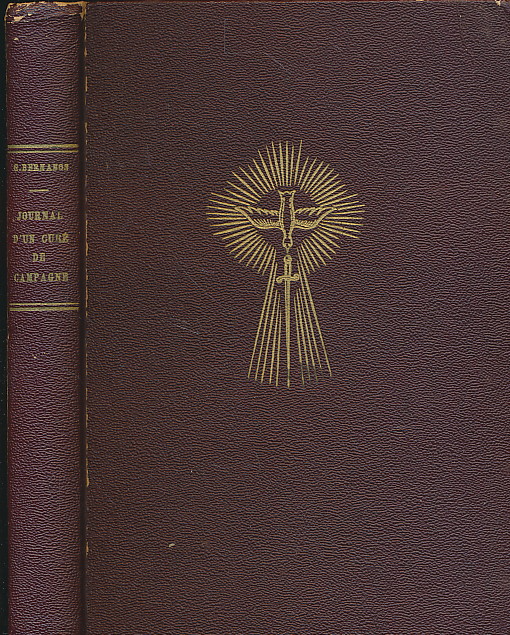
Journal d un cure de campagne
Journal d’un curé de campagne, a remporté le Grand Prix du roman de l’Académie française. Cela commence: “Ma paroisse est une paroisse comme les autres. Toutes les paroisses se ressemblent. Les paroisses d’aujourd’hui, naturellement. “Je le disais hier a M. le curé de Norenfontes: le bien et le mal doivent s’y aire équilibre, seulement le centre de gravité est placé bas, tres bas. Ou, si vous aimez mieux, l’un et l’autre s’y superposent sans se meler, comme deux liquides de densité différente. M. le curé m’a ri au nez. C’est un bon pretre, tres bienveillant, tres paternel et qui passe meme a l’archeveché pour un esprit fort, un peu dangereux. Ses boutades font la joie des presbyteres, et il les appuie d’un regard qu’il voudrait vif et que je trouve au fond si usé, si las, qu’il me donne envie de pleurer.”
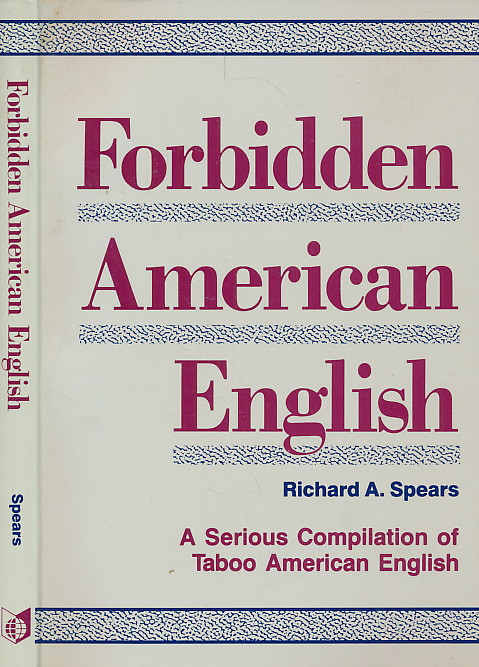
Forbidden American English
Containing approximately 1400 words and phrases that should not be used by educated speakers of English, this dictionary of offensive and often inflammatory vocabulary is designed to inform rather than to offend or entertain.
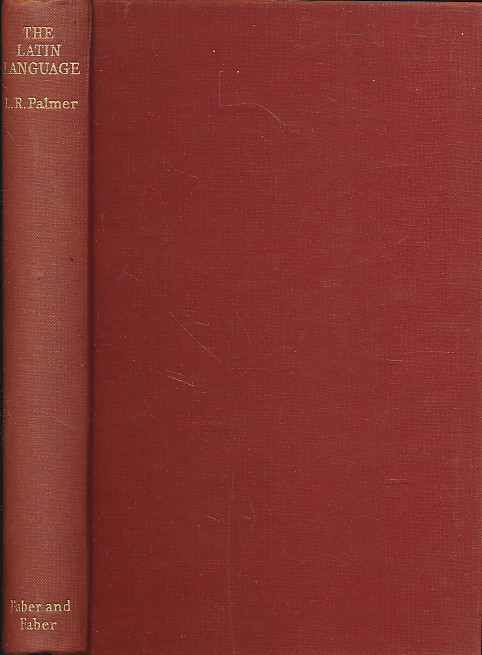
The Latin Language
This excellent study traces the relation of Latin to other Indo-European languages and guides the reader lucidly through Latin phonology, morphology, and syntax. It has proved fascinating not only to Latinists but also to linguists generally and, especially, to students of Romance languages. Over the years, readers have found that Palmer’s treatment of this so-called dead language reveals Latin’s continuing vitality and ‘soul’.
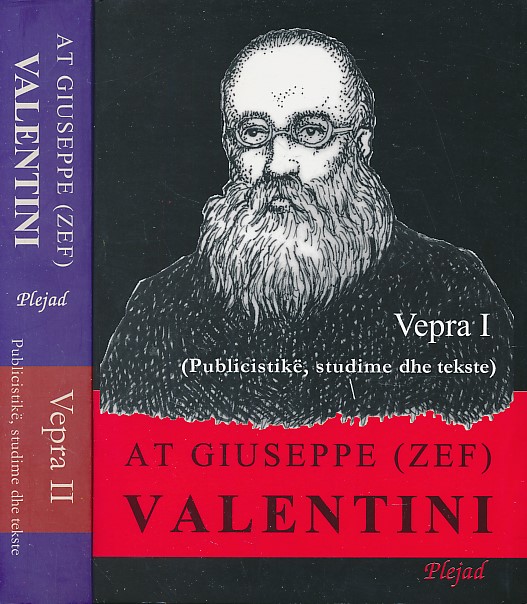
Publicistike, studime dhe tekste Vepra I-II Giuseppe (Zef) Valentini

An Albanian Historical Grammar
Reprint of microfilm edition 1974
Rečnik ilirskoga i nemačkoga jezika
Nedostaje naslovni list.
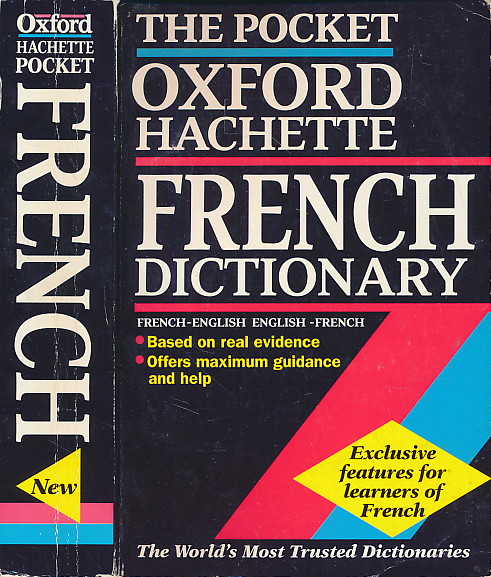
The Pocket Oxford-Hachette French Dictionar
The Pocket Oxford-Hachette French Dictionary By Marie-Hellene Correard.
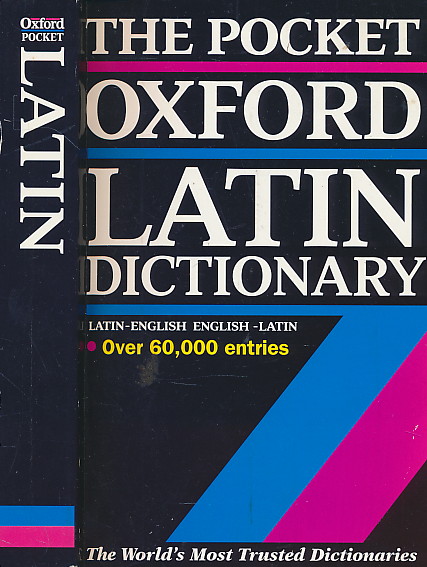
The Pocket Oxford Latin Dictionary
The Pocket Oxford Latin Dictionary Paperback – January 1, 1995 by James (editor) Morwood (Author)
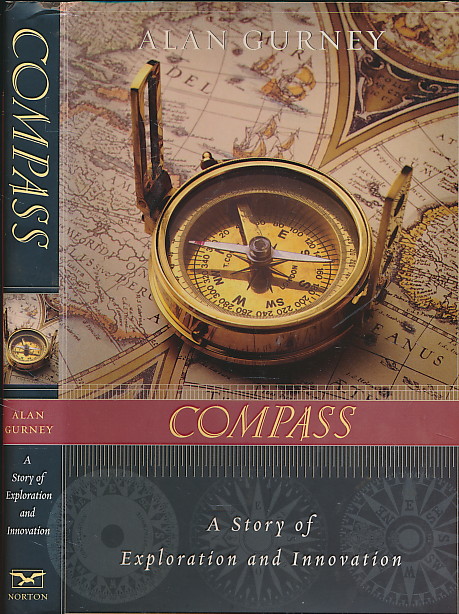
Compass: A Story of Exploration and Innovation
A history of the compass describes its pivotal role in early shipping, relating how its development over the course of hundreds of years was marked by thousands of shipwrecks and the disastrous fates of sailors who misused it.
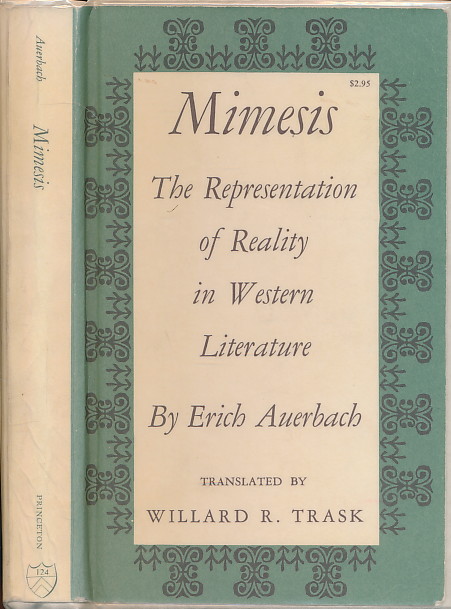
Mimesis
A half-century after its translation into English, Erich Auerbach’s Mimesis still stands as a monumental achievement in literary criticism. A brilliant display of erudition, wit, and wisdom, his exploration of how great European writers from Homer to Virginia Woolf depicted reality has taught generations how to read Western literature. This new expanded edition includes a substantial essay in introduction by Edward Said as well as an essay, never before translated into English, in which Auerbach responds to his critics. A German Jew, Auerbach was forced out of his professorship at the University of Marburg in 1935. He left for Turkey, where he taught at the state university in Istanbul. There he wrote Mimesis, publishing it in German after the end of the war. Displaced as he was, Auerbach produced a work of great erudition that contains no footnotes, basing his arguments instead on searching, illuminating readings of key passages from his primary texts. His aim was to show how from antiquity to the twentieth century literature progressed toward ever more naturalistic and democratic forms of representation. This essentially optimistic view of European history now appears as a defensive–and impassioned–response to the inhumanity he saw in the Third Reich. Ranging over works in Greek, Latin, Spanish, French, Italian, German, and English, Auerbach used his remarkable skills in philology and comparative literature to refute any narrow form of nationalism or chauvinism, in his own day and ours. For many readers, both inside and outside the academy, Mimesis is among the finest works of literary criticism ever written.
Drame
Hrotsvitha (935–973) je bila svjetovna kanonica koja je pisala drame i kršćansku poeziju pod Ottonskom dinastijom. Rođena je u Bad Gandersheimu u obitelji saksonskih plemića i ušla je u opatiju Gandersheim kao kanonica.