Oznaka:
Hrvatski renesansni aristotelizam
O modusima književnosti. Transtalijanistički kompendij
Spašeni. 11 priča nade
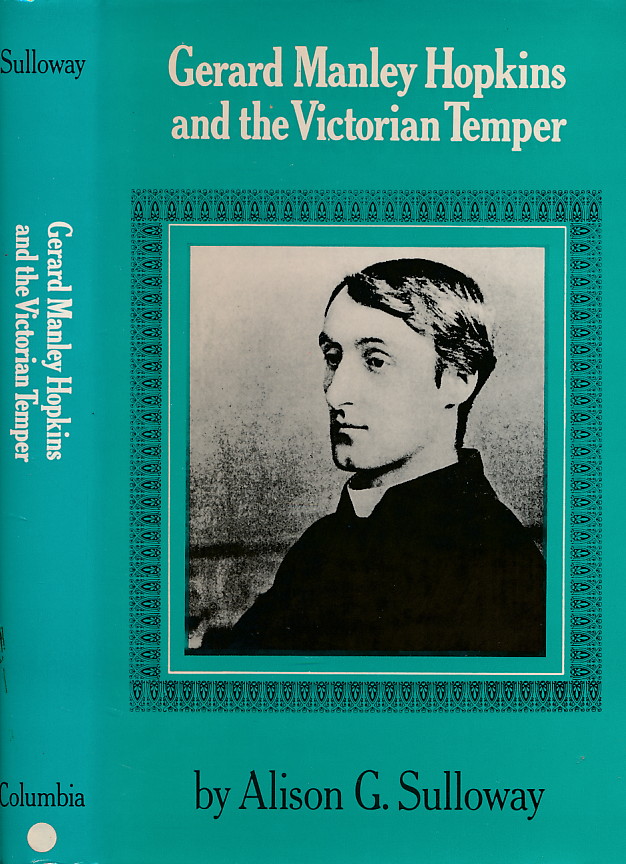
Gerard Manley Hopkins and the Victorian temper
Gerard Manley Hopkins and the Victorian temper Hardcover – January 1, 1972 by Alison G Sulloway (Author)
Uvod u filozofiju
The Oxford Book of English Verse 1250 – 1918 (1940 New Edition)
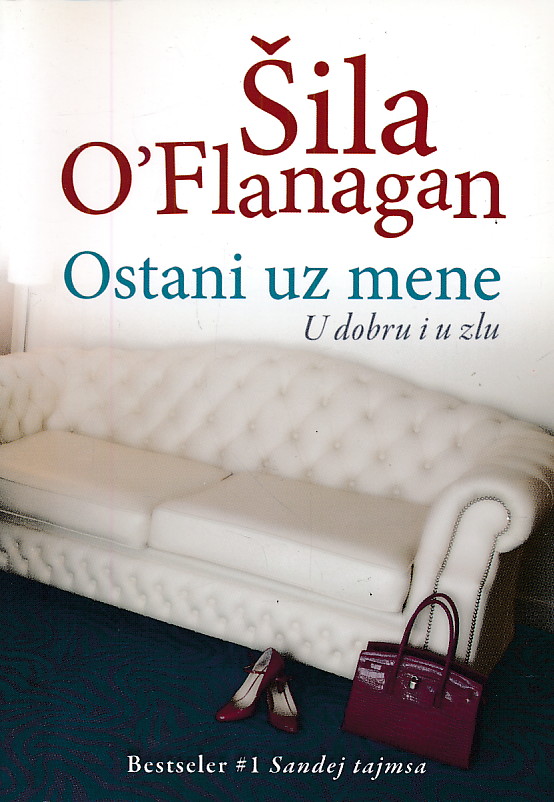
Ostani uz mene

Od balvana do Daytona

Hitler’s Pope: The Secret History of Pius XII
Backed by a wealth of new research, John Cornwell tells for the first time the story of the World War II career of Eugenio Pacelli, the man who was Pope Pius XII, arguably the most dangerous churchman in modern history. In the first decade of the century, as a brilliant young Vatican lawyer, Pacelli helped shape a new ideology of unprecedented papal power in Germany. In 1933 Hitler became his negotiating partner, an agreement was arranged that granted religious and financial payments to the Catholic Church in exchange for their withdrawal from social and political privillage, ensuring the rise of Nazism.
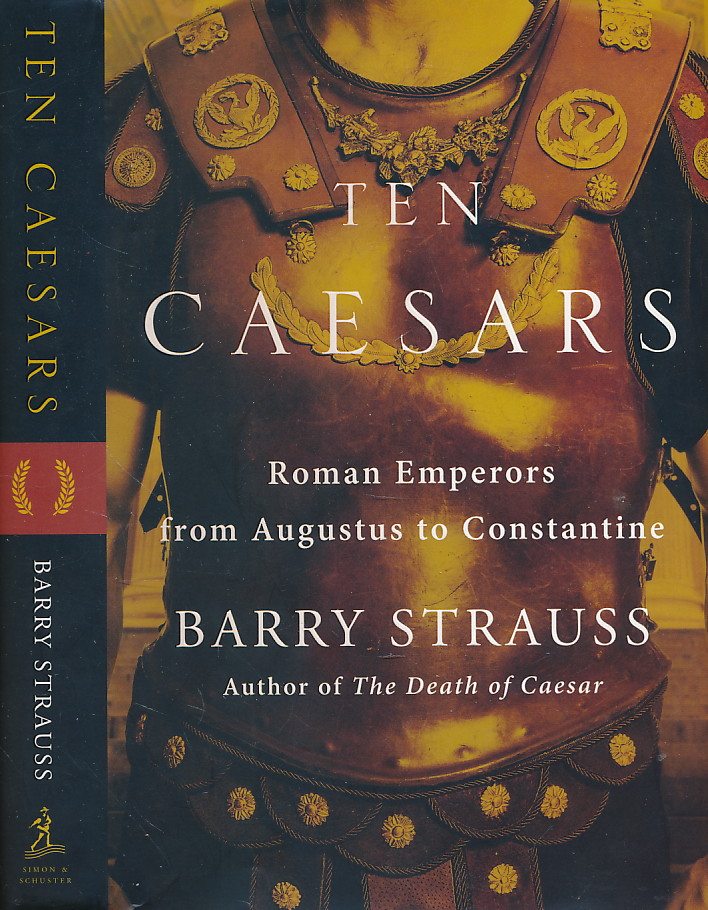
Ten Caesars: Roman Emperors from Augustus to Constantine
Bestselling classical historian Barry Strauss delivers “an exceptionally accessible history of the Roman Empire…much of Ten Caesars reads like a script for Game of Thrones” (The Wall Street Journal)—a summation of three and a half centuries of the Roman Empire as seen through the lives of ten of the most important emperors, from Augustus to Constantine. In this essential and “enlightening” (The New York Times Book Review) work, Barry Strauss tells the story of the Roman Empire from rise to reinvention, from Augustus, who founded the empire, to Constantine, who made it Christian and moved the capital east to Constantinople. During these centuries Rome gained in splendor and territory, then lost both. By the fourth century, the time of Constantine, the Roman Empire had changed so dramatically in geography, ethnicity, religion, and culture that it would have been virtually unrecognizable to Augustus. Rome’s legacy remains today in so many ways, from language, law, and architecture to the seat of the Roman Catholic Church. Strauss examines this enduring heritage through the lives of the men who shaped it: Augustus, Tiberius, Nero, Vespasian, Trajan, Hadrian, Marcus Aurelius, Septimius Severus, Diocletian and Constantine. Over the ages, they learned to maintain the family business—the government of an empire—by adapting when necessary and always persevering no matter the cost. Ten Caesars is a “captivating narrative that breathes new life into a host of transformative figures” (Publishers Weekly). This “superb summation of four centuries of Roman history, a masterpiece of compression, confirms Barry Strauss as the foremost academic classicist writing for the general reader today” (The Wall Street Journal).
Savremeni francusko-srpskohrvatski rečnik sa gramatikom
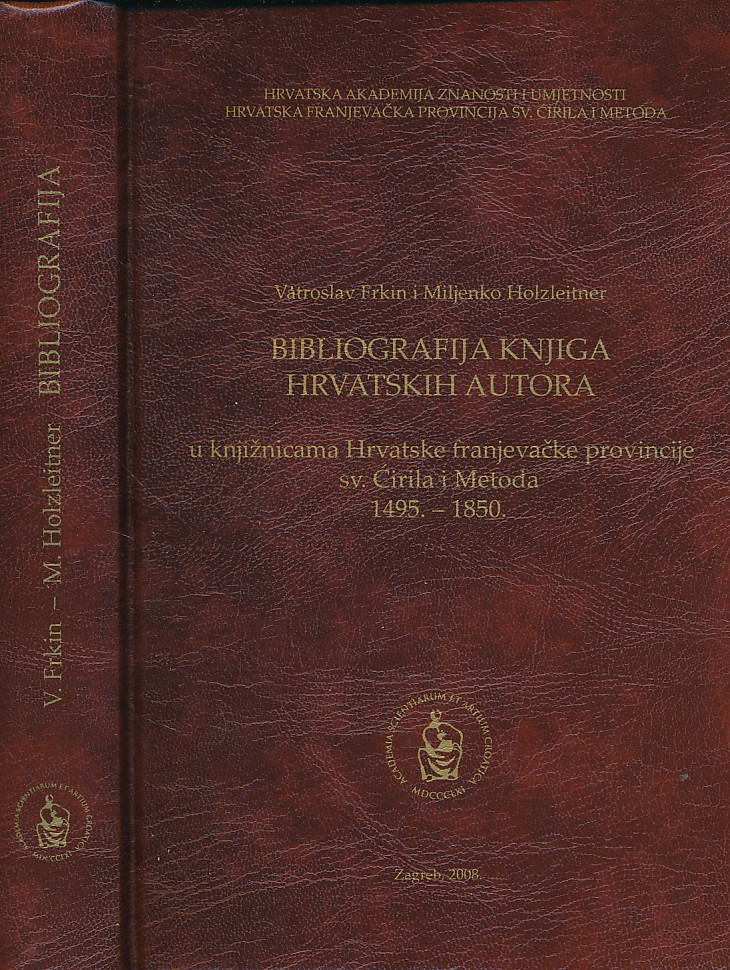
Bibliografija knjiga hrvatskih autora u knjižnicama Hrvatske franjevačke provincije sv. Ćirila i Metoda 1495 – 1850.
U knjizi Vatroslava Frkina i Miljenka Holzleitnera »Bibliografija knjiga hrvatskih autora u knjižnicama Hrvatske franjevačke provincije sv. Ćirila i Metoda, 1495-1850« na 538 stranica sabrano je 2.305 naslova i autora vezanih isključivo za hrvatski prostor. Riječ je o knjižničnome blagu neprocjenjive vrijednosti, tj. o hrvatskim knjigama, među kojima su brojne označene kao rijetkost »R«, kako to ističu akademici Josip Bratulić i Stjepan Damjanović u predgovoru »Značenje franjevačkih knjižnica u kulturi sjeverne Hrvatske«. Na 538 stranica sabrano je 2.305 naslova i autora vezanih isključivo za hrvatski prostor, od onih koje su neki unikati ili sačuvani u tek nekoliko primjeraka, do brojnih drugih tiskanih u puno više primjeraka u nekadašnjim europskim tiskarskim središtima, kao što su Venecija, Graz, Budim i dr., ili tiskarama u domovini, npr. »Zagreb, Dubrovnik, Zadar, a napose Osijek, u kojemu su počeci tiskarstva vezani upravo za djelovanje franjevaca«, na što također podsjećaju akademici Bratulić i Damjanović.riječ je o knjižničnome blagu neprocjenjive vrijednosti, tj. o hrvatskim knjigama, među kojima su brojne označene kao rijetkost »R«, kako to ističu akademici Josip Bratulić i Stjepan Damjanović u predgovoru »Značenje franjevačkih knjižnica u kulturi sjeverne Hrvatske«. Na 538 stranica sabrano je 2.305 naslova i autora vezanih isključivo za hrvatski prostor, od onih koje su neki unikati ili sačuvani u tek nekoliko primjeraka, do brojnih drugih tiskanih u puno više primjeraka u nekadašnjim europskim tiskarskim središtima, kao što su Venecija, Graz, Budim i dr., ili tiskarama u domovini, npr. »Zagreb, Dubrovnik, Zadar, a napose Osijek, u kojemu su počeci tiskarstva vezani upravo za djelovanje franjevaca«, na što također podsjećaju akademici Bratulić i Damjanović.
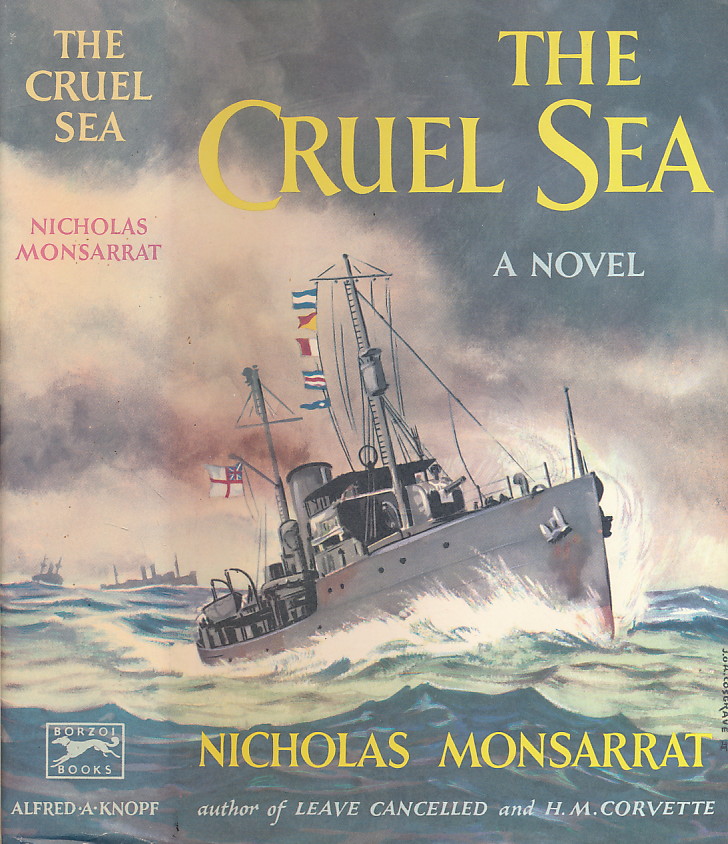
The Cruel Sea
Born on Rodney Street in Liverpool, Monsarrat was educated at Winchester and Trinity College, Cambridge. He intended to practise law. The law failed to inspire him, however, and he turned instead to writing, moving to London and supporting himself as a freelance writer for newspapers while writing four novels and a play in the space of five years (1934–1939). He later commented in his autobiography that the 1931 Invergordon Naval Mutiny influenced his interest in politics and social and economic issues after college. Though a pacifist, Monsarrat served in World War II, first as a member of an ambulance brigade and then as a member of the Royal Naval Volunteer Reserve (RNVR). His lifelong love of sailing made him a capable naval officer, and he served with distinction in a series of small warships assigned to escort convoys and protect them from enemy attack. Monsarrat ended the war as commander of a frigate, and drew on his wartime experience in his postwar sea stories. During his wartime service, Monsarrat claimed to have seen the ghost ship Flying Dutchman while sailing the Pacific, near the location where the young King George V had seen her in 1881. Resigning his wartime commission in 1946, Monsarrat entered the diplomatic service. He was posted at first to Johannesburg, South Africa and then, in 1953, to Ottawa, Canada. He turned to writing full-time in 1959, settling first on Guernsey, in the Channel Islands, and later on the Mediterranean island of Gozo (Malta). Monsarrat’s first three novels, published in 1934–1937 and now out of print, were realistic treatments of modern social problems informed by his leftist politics. His fourth novel and first major work, This Is The Schoolroom, took a different approach. The story of a young, idealistic, aspiring writer coming to grips with the real world for the first time, it is at least partly autobiographical. The Cruel Sea (1951), Monsarrat’s first postwar novel, is widely regarded as his finest work, and is the only one of his novels that is still widely read. Based on his own wartime service, it followed the young naval officer Keith Lockhart through a series of postings in corvettes and frigates. It was one of the first novels to depict life aboard the vital, but unglamorous, small ships of World War II—ships for which the sea was as much a threat as the Germans. Monsarrat’s short-story collections H.M.S. Marlborough Will Enter Harbour (1949), and The Ship That Died of Shame (1959) mined the same literary vein, and gained popularity by association with The Cruel Sea.
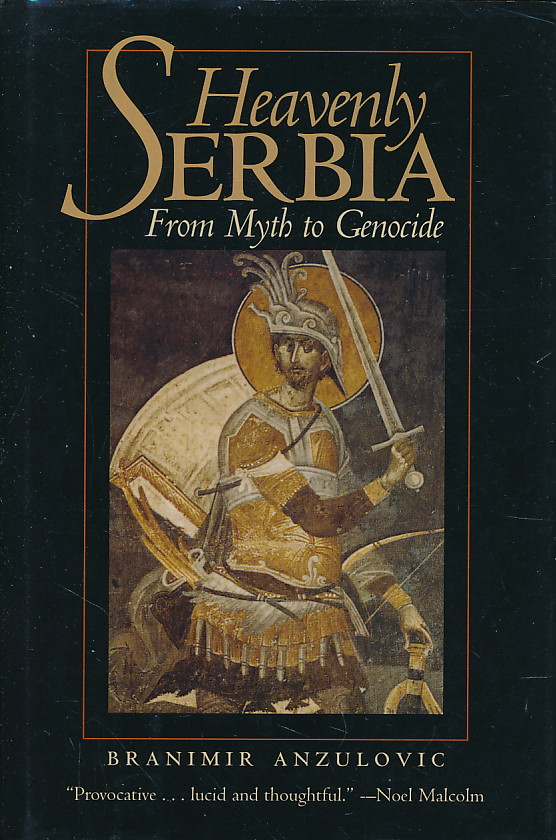
Heavenly Serbia. From Myth to Genocide
Traces Serbia’s nationalist and expansionist impulses to the legendary battle of Kosovo in 1389 As violence and turmoil continue to define the former Yugoslavia, basic questions remain unanswered: What are the forces behind the Serbian expansionist drive that has brought death and destruction to Croatia, Bosnia and Herzegovina, and Kosovo? How did the Serbs rationalize, and rally support for, this genocidal activity? Heavenly Serbia traces Serbia’s nationalist and expansionist impulses to the legendary battle of Kosovo in 1389. Anzulovic shows how the myth of Heavenly Serbia developed to help the Serbs endure foreign domination, explaining their military defeat and the loss of their medieval state by emphasizing their own moral superiority over military victory. Heavenly Serbia shows how this myth resulted in an aggressive nationalist ideology which has triumphed in the late twentieth century and marginalized those Serbs who strive for the establishment of a civil society. Author interview with CNN: http://www.cnn.com/chat/transcripts/branimir_chat.html
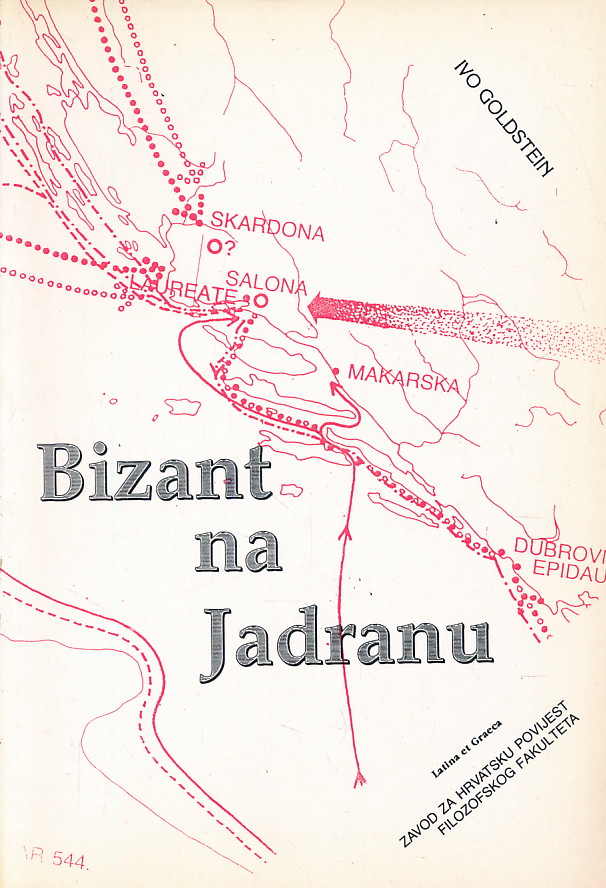
Bizant na Jadranu
World of Names: Study in Hungarian Onomatology
World of Names: Study in Hungarian Onomatology – Hardcover Kalman, Bela Borsi-
Essentials of Understanding Psychology 4th ed.
Educational Psychology: Effective Teaching, Effective Learning 3tr ed.
Educational Psychology: Effective Teaching, Effective Learning arms students with the current, practical knowledge they need to become effective teachers. The applied focus, unique case study approach, and real life context of the text give your students the important skills they need to become tomorrow’s teachers for diverse classrooms and students. Effective teaching requires more than straightforward teaching methods—teachers need to know their students well and able to adapt their teaching style to a particular classroom and individual students. The result: effective learning. Educational Psychology: Effective Teaching, Effective Learning provides more actual tools for future teachers than any other educational psychology text. It arms students with current, practical knowledge, gives them excellent coverage of traditional and emerging topics in educational psychology, offers a balanced theoretical orientation—cognitive, social, and behavioral—and consistently uses classroom examples to illustrate how these theories “work.” The text provides excellent coverage of both traditional and emerging topics in educational psychology from a multi-author team with complementary areas of expertise allowing for more overall depth and breadth. In the third edition a new unique case study approach links text concepts and strategies to the actual practice of teaching. Each section of the text begins with a case that is carried throughout the section’s four chapters. To help students problem-solve in the classroom, each chapter contains Case Notes and ends with ideas for improving the case situation (Case Reflections). Following each section is a feature called Teacher’s Case Conference which offers informed discussion by real teachers. The third edition greatly increases coverage of constructivism in chapters 2, 7, and 8. The number of chapters has been reduced from 15 to 13 and an appendix on research methods has been added. The strong applied focus of the text now uses five new themes for effective teaching running throughout the book: communication, motivation, assessment, learning, and time. A new feature, TIPS (Teaching Interaction Principles and Strategies), provides over 100 brief summaries of key teaching principles throughout the text. by Stephen N Elliott (Author), Thomas R Kratochwill (Author), Joan Littlefield Cook (Author)

A Writer’s Companion : A Handy Compendium of Useful but Hard-To-Find Information on History, Literature, Art, Science, Travel, Philosophy and Much More
A Writer’s Companion : A Handy Compendium of Useful but Hard-To-Find Information on History, Literature, Art, Science, Travel, Philosophy and Much More Paperback – February 5, 1997 by Louis D. Rubin (Author) From Ancient Gods to Rock Music, A Writer’s Companion contains everything a writer, editor or researcher might ever need to look up, plus a whole lot more. Created to address the unique needs of writers, it gathers in one volume a wealth of information not found in almanacs, dictionaries or encyclopedias. Its 66 subject categories address such eclectic topics as: Notable Sculptors The Principal Colors. Forms of Classical Music How the Earth Developed Distinguished Dogs Eminent Cats Certain Immutable Laws Famous Figures in Legend and Folklore. A necessary reference for every serious writer and wordsmith, A Writer’s Companion is also perfect for the curious-minded, who will find endless hours of pleasure browsing through the fascinating information in its pages.
THE OXFORD COMPANION TO ENGLISH LITERATURE
Set out as alphebetic, encyclopedic dictionary of literary information, this large tome should be on every English literature buff’s bookshelf.
Grammaire hébraique abrégée.
Die Pluralbildung im Albanischen
FIEDLER, Wilfried / FORMIMI I SHUMËSIT NË GJUHËN SHQIPE Redaktor Eqrem Basha. Prishtinë, Akademia e Shkencave dhe e Arteve e Kosovës, SGJL, 2007, 508 f., [5] fletë shtojcë, [36] fletë shtojcë me harta, me il., 16×24 cm. (Botime të veçanta LXXIX / Seksioni i Gjuhësisë dhe i Letërsisë. Libri 34). Tit. në faqen paral. të tit. dhe në kapak: Die pluralbildung im albanischen. Bibliogr.: f. 415-429 KDU 811.18’366.533 ISBN 978-9951-413-55-8! (ISBN e njejë me: Për të vërtetën shkencore / Idriz Ajeti) COBISS.KSID 1537505520
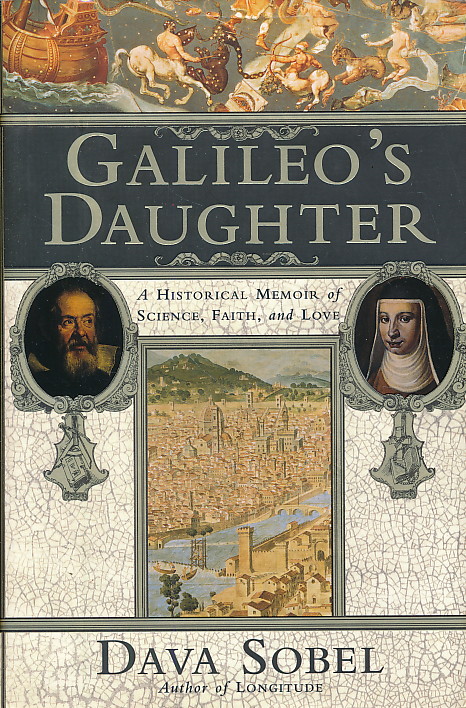
Galileo’s Daughter: A Historical Memoir of Science, Faith, and Love
Inspired by a long fascination with Galileo, and by the remarkable surviving letters of Galileo’s daughter, a cloistered nun, Dava Sobel has written a biography unlike any other of the man Albert Einstein called the father of modern physics- indeed of modern science altogether. Galileo’s Daughter also presents a stunning portrait of a person hitherto lost to history, described by her father as a woman of exquisite mind, singular goodness, and most tenderly attached to me. The son of a musician, Galileo Galilei (1564-1642) tried at first to enter a monastery before engaging the skills that made him the foremost scientist of his day. Though he never left Italy, his inventions and discoveries were heralded around the world. Most sensationally, his telescopes allowed him to reveal a new reality in the heavens and to reinforce the astounding argument that the Earth moves around the Sun. For this belief, he was brought before the Holy Office of the Inquisition, accused of heresy, and forced to spend his last years under house arrest. Of Galileo’s three illegitimate children, the eldest best mirrored his own brilliance, industry, and sensibility, and by virtue of these qualities became his confidante. Born Virginia in 1600, she was thirteen when Galileo placed her in a convent near him in Florence, where she took the most appropriate name of Suor Maria Celeste. Her loving support, which Galileo repaid in kind, proved to be her father’s greatest source of strength throughout his most productive and tumultuous years. Her presence, through letters which Sobel has translated from their original Italian and masterfully woven into the narrative, graces her father’s life now as it did then. Galileo’s Daughter dramatically recolors the personality and accomplishment of a mythic figure whose seventeenth-century clash with Catholic doctrine continues to define the schism between science and religion. Moving between Galileo’s grand public life and Maria Celeste’s sequestered world, Sobel illuminates the Florence of the Medicis and the papal court in Rome during the pivotal era when humanity’s perception of its place in the cosmos was about to be overturned. In that same time, while the bubonic plague wreaked its terrible devastation and the Thirty Years’ War tipped fortunes across Europe, one man sought to reconcile the Heaven he revered as a good Catholic with the heavens he revealed through his telescope. With all the human drama and scientific adventure that distinguished Dava Sobel’s previous book Longitude, Galileo’s Daughter is an unforgettable story.