My name is Katniss Everdeen. Why am I not dead? I should be dead. Katniss Everdeen, girl on fire, has survived, even though her home has been destroyed. Gale has escaped. Katniss’s family is safe. Peeta has been captured by the Capitol. District 13 really does exist. There are rebels. There are new leaders. A revolution is unfolding. It is by design that Katniss was rescued from the arena in the cruel and haunting Quarter Quell, and it is by design that she has long been part of the revolution without knowing it. District 13 has come out of the shadows and is plotting to overthrow the Capitol. Everyone, it seems, has had a hand in the carefully laid plans—except Katniss. The success of the rebellion hinges on Katniss’s willingness to be a pawn, to accept responsibility for countless lives, and to change the course of the future of Panem. To do this, she must put aside her feelings of anger and distrust. She must become the rebels’ Mockingjay—no matter what the personal cost.
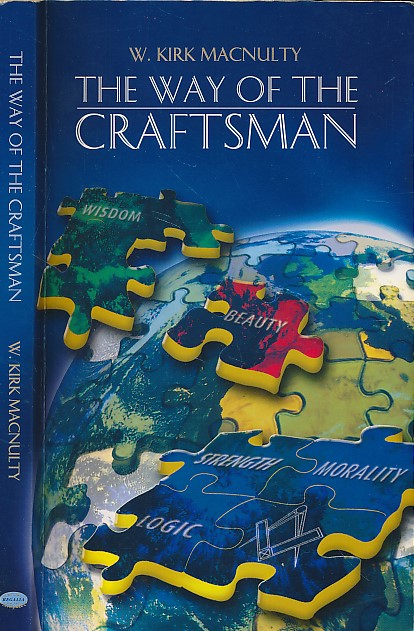
W. Kirk MacNulty takes the reader on a quest deep into the heart of Craft Freemasonry in search of its spiritual core. Drawing upon Renaissance philosophy, kabbalistic mysticism, and Jungian psychology, The Way of the Craftsman explores the symbolism and ceremony of the Masonic lodge in a profound and effective manner. With new illustrations, amended annotations, and a special Foreword by Masonic scholar Shawn Eyer, this new edition is designed to bring fresh insight to a new generation of Freemasons and those curious about Freemasonry.
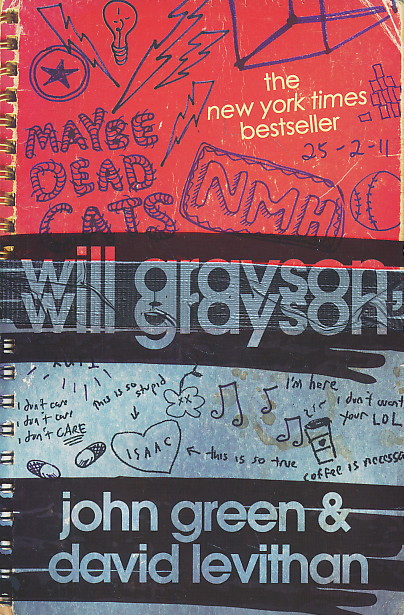
Ostali autori: David Levithan
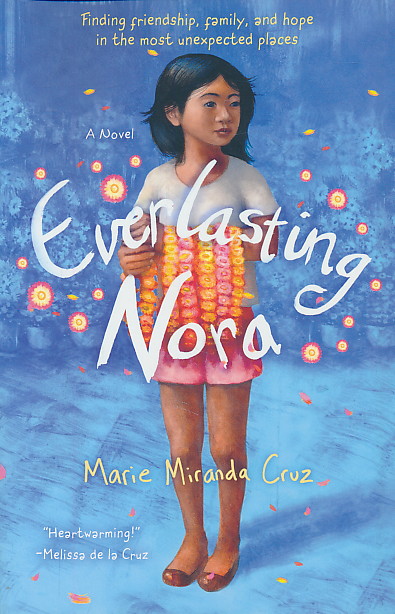
An uplifting young reader debut about perseverance against all odds, Marie Miranda Cruz’s debut Everlasting Nora follows the story of a young girl living in the real-life shantytown inside the Philippines’ Manila North Cemetery. After a family tragedy results in the loss of both father and home, 12-year-old Nora lives with her mother in Manila’s North Cemetery, which is the largest shantytown of its kind in the Philippines today. When her mother disappears mysteriously one day, Nora is left alone. With help from her best friend Jojo and the support of his kindhearted grandmother, Nora embarks on a journey riddled with danger in order to find her mom. Along the way she also rediscovers the compassion of the human spirit, the resilience of her community, and everlasting hope in the most unexpected places.
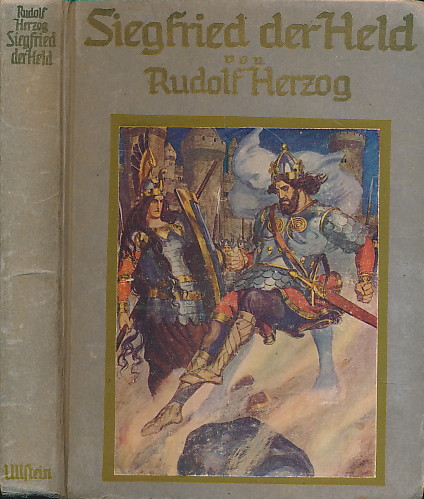
Siegfried, der Held Der deutschen Jugend erzählt Mit Bildern von Franz Stassen Verlag von Ullstein & Co, Berlin 1912 Copyright 1911 by Ullstein & Co
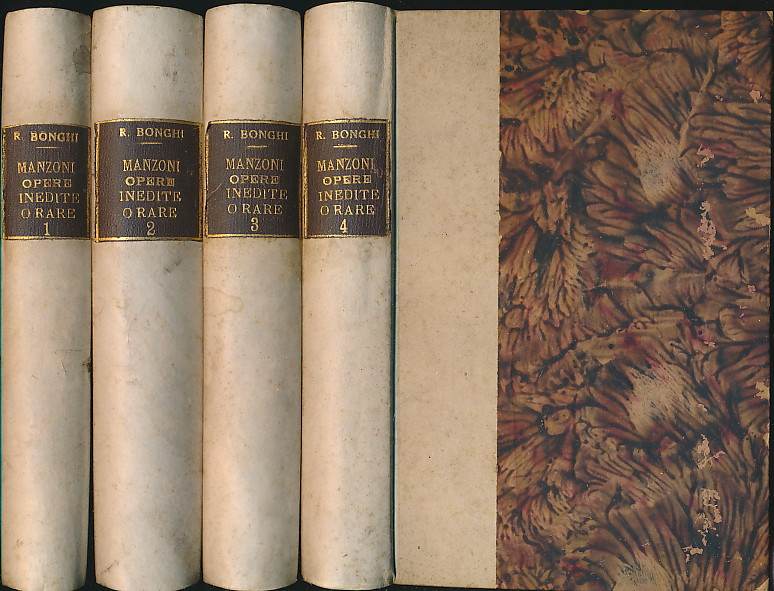
Opere inedite o rare di Alessandro Manzoni pubblicate per cura di P. Brambilla VOL. I-IV 314, 500, 406, 370 str.
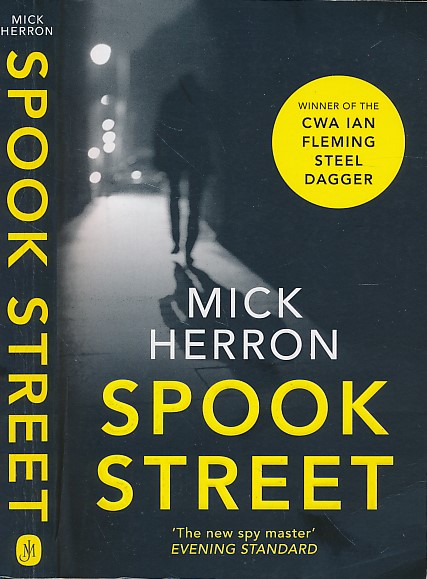
What happens when an old spook loses his mind? Does the Service have a retirement home for those who know too many secrets but don’t remember they’re secret? Or does someone take care of the senile spy for good? Now an Apple TV+ original series (Slow Horses) starring Gary Oldman in his Emmy-nominated role as Jackson Lamb. These are the paranoid concerns of David Cartwright, a Cold War–era operative and one-time head of MI5 who is sliding into dementia, and questions his grandson, River, must figure out answers to now that the spy who raised him has started to forget to wear pants. But River, himself an agent at Slough House, MI5’s outpost for disgraced spies, has other things to worry about. A bomb has detonated in the middle of a busy shopping center and killed forty innocent civilians. The “slow horses” of Slough House must figure out who is behind this act of terror before the situation escalates.
William Frank Buckley, Jr. was an American author and conservative commentator. He founded the political magazine National Review in 1955, hosted 1,429 episodes of the television show Firing Line from 1966 until 1999, and was a nationally syndicated newspaper columnist. His writing style was famed for its erudition, wit, and use of uncommon words. Buckley was arguably the most important public intellectual in the United States in the past half century, according to George H. Nash, a historian of the modern American conservative movement. For an entire generation he was the preeminent voice of American conservatism and its first great ecumenical figure. Buckley’s primary intellectual achievement was to fuse traditional American political conservatism with economic libertarianism and anti-communism, laying the groundwork for the modern American conservatism of US Presidential candidate Barry Goldwater and US President Ronald Reagan. Buckley came on the public scene with his critical book God and Man at Yale (1951); among over fifty further books on writing, speaking, history, politics and sailing, were a series of novels featuring CIA agent Blackford Oakes. Buckley referred to himself on and off as either libertarian or conservative. He resided in New York City and Stamford, Connecticut, and often signed his name as WFB. He was a practicing Catholic, regularly attending the traditional Latin Mass in Connecticut.
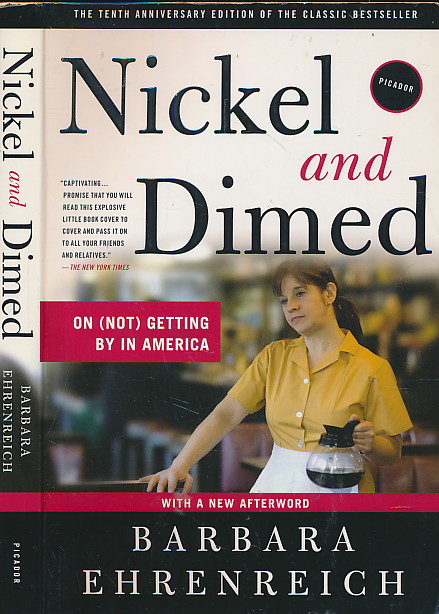
In this now classic work, Barbara Ehrenreich, our sharpest and most original social critic, goes undercover as an unskilled worker to reveal the dark side of American prosperity. Millions of Americans work full time, year round, for poverty-level wages. In 1998, Barbara Ehrenreich decided to join them. She was inspired in part by the rhetoric surrounding welfare reform, which promised that a job-any job-can be the ticket to a better life. But how does anyone survive, let alone prosper, on $6 an hour? To find out, Ehrenreich left her home, took the cheapest lodgings she could find, and accepted whatever jobs she was offered. Moving from Florida to Maine to Minnesota, she worked as a waitress, a hotel maid, a cleaning woman, a nursing-home aide, and a Wal-Mart sales clerk. She lived in trailer parks and crumbling residential motels. Very quickly, she discovered that no job is truly unskilled, that even the lowliest occupations require exhausting mental and muscular effort. She also learned that one job is not enough; you need at least two if you int to live indoors. Nickel and Dimed reveals low-rent America in all its tenacity, anxiety, and surprising generosity-a land of Big Boxes, fast food, and a thousand desperate stratagems for survival. Read it for the smoldering clarity of Ehrenreich’s perspective and for a rare view of how prosperity looks from the bottom. You will never see anything-from a motel bathroom to a restaurant meal-in quite the same way again.
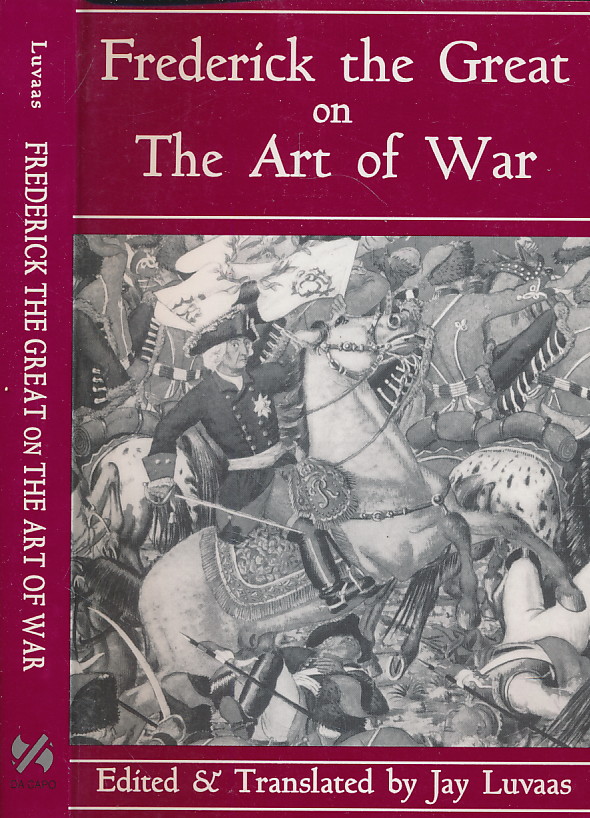
Frederick the Great (1712-1786), King of Prussia, initiated the Seven Years’ War in 1756; outfought the formidable French, Russian, and Austrian armies aligned against him; and established Prussia as a major power, thereby decisively influencing the next two centuries of European history. He was also a brilliant military thinker whose observations arose from extensive battlefield experience.This volume presents a balanced selection from Frederick’s writings on strategy, tactics, and mobility; the problems of logistics and a two-front war; the combined use of infantry, cavalry, and artillery; the history of the Prussian army; the critical battles of the Seven Years’ War; generalship as an art; and much more. A majority of this material is translated here for the first time in English and available nowhere else. The result is an invaluable glimpse into the inner thoughts of a military genius.
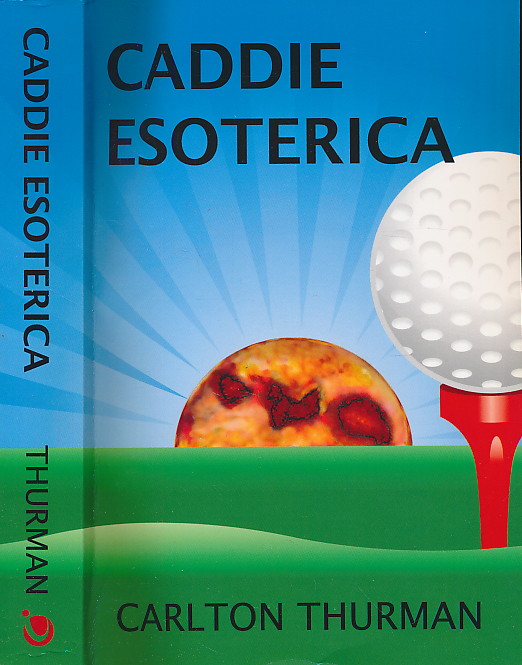
Caddie Esoterica is not a novel in the dildo its color and shape do not make obvious the senses it would stimulate, nor its intended mode of use. To the New Ur Country Club, on unenchanted Corpus Elvi Island, arrives Carl, a caddie, to record his passage through this strangest of seasons. Carl stands witness to rain, rape, horrific bunker play, and a great caddie effort to win and bury the body of a fallen friend. Autumn is denied. Following summer comes a super-tropical wood and wild reclaim the course, and golf devolves to survival bloodsport.Irreverent and comedic, crazed and lucid, lofty and from the shadowland between madness and genius comes Caddie Esoterica, a fractal seaspray of style, theme, texture and tone, and unlike any novel you will ever read.It will leave you gasping like… a lungfish in the muck. -Castor Spurgines, The Postformalist Review of Books (highest rating) …invectively inventive, laconically iconoclastic…. Gaddis meets Borges, breaks his glasses and steals his wallet. -Claudia Vega-Reyes, Auntie Dee’s Constructionalism QuarterlyA semiotic tour-de-force for the post-Derrida lifeworld. Read it and be beautiful. -Herman U. Dix, The Iowa Tractor and Manure Supplement With dedication of the author.
Anno I – No. 1, settembre 1945 – No. 4, decembre 1945 (88 str.) Anno II . No.1, gennaio 1946 – No. 12, decembre 1946 (338 str.) 30 GIORNI 1945 – 1946 rassegna mensile di politica e di cultura della stampa internazionale diretta da Dino Faragona e Andrea Casassa. Cooperativa editrice Istriana. Redazione : Fiume, Via Cavour 2 VII piano. Tipografia del popolo, Fiume.
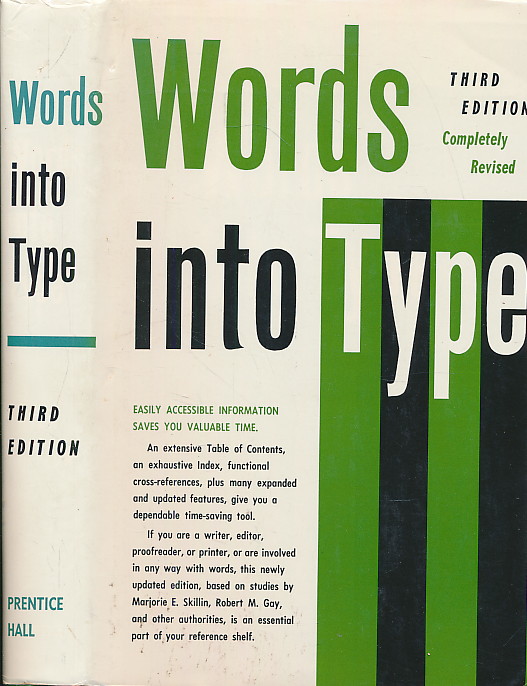
by Robert Malcolm Skillin, Marjorie E.; Gay (Author) The 3rd edition of Words into Type provides an overview of the many processes of transforming the written word into type – from the preparation of the copy to the market-ready work. The book is organized into seven parts, each dealing with a different aspect of production but interrelated with the others in the information provided. – Preface
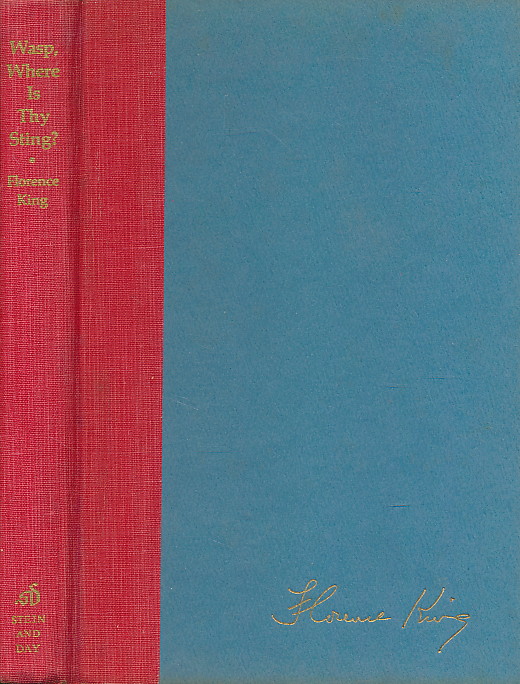
Once upon a time. White Anglo-Saxon Protestants believed that if the rest of the world was littered with ethnics who lacked the social graces, were inadequately educated, and were darker complectioned than was desirable, at least in America. WASPS and their standards governed. But now their ivory tower has been besieged, and WASPS have come to think of themselves as a minority group in a sea of aliens. Florence King has set out on a journey to find out what WASPS really were and are and how and why they think. Like an anthropologist, she provides us with a book of knowledge about WASPS and their habits that is as essential as knowing about the birds and the bees) (Ostensibly collections of essays they frequently turn in fictional pieces, literary burlesques and lampoons, character sketches and autobiographical ruminations.

The Assertio septem sacrameto, or ‘The defence of the seven sacraments’ was Henry VIII’s refutation of Martin Luther’s heretical challenge to the Pope and church. For Henry’s efforts, the Pope Leo X granted to him and his successors the title ‘Fidei Defensor’ or ‘Defender of the Faith’. In this rare Italian edition housed in the Pepys Library, the Assertio is preceded by introductory leaves containing the text of Leo X’s letter to Henry VIII. The edition was published in 1521, the same year as the ‘Fidei Defensor’ title was bestowed. When we speak of the current monarch as the ‘Defender of the Faith’, it is a reference to the Catholic Church, although it is sometimes misconstrued as a title associated with the monarch being the head of the Church of England. This edition of the Assertio was published by Etienne Guillery. Originally from Lunéville in France, he was active in Rome as a printer, publisher and bookseller where he was known as ‘Stephani Guilliretti’. Six years after this edition was published, Henry initiated the annulment of his marriage to Catherine of Aragon, paving the way for the English Reformation, and distanced himself from the authorship of the Assertio.
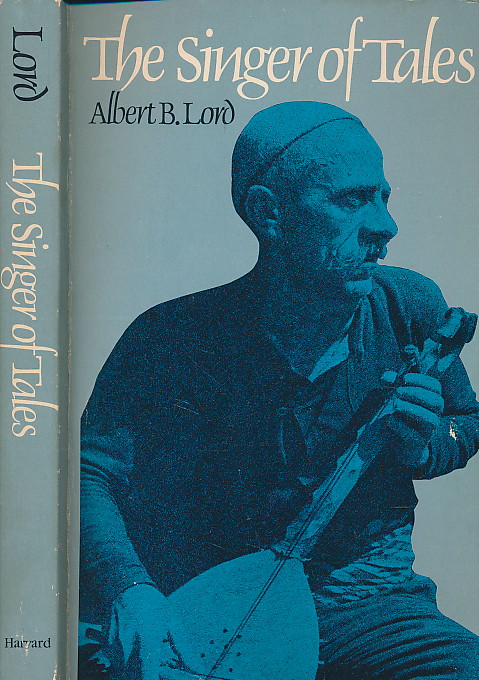
The Singer of Tales is a book by Albert Lord that discusses the oral tradition as a theory of literary composition and its applications to Homeric and medieval epic. Lord builds on the research of Milman Parry and their work together recording Balkan guslar poets. It was published in 1960.