Jimmy Reilly was an ordinary man leading an ordinary life, but when the rumours started about him interfering with young boys he finds himself in the hands of defence solicitor Jeremy Scott and facing charges in court. Reilly resolutely maintains his innocence and Jeremy believes him, and is certain that when the evidence is presented in court his client will be shown not to have a stain on his character. But he had reckoned without the machinations of the child protection act, under which the principal witness cannot be cross-examined. Furious at a judicial system which he’d always seen as fallible but fair, Jeremy decides to investigate the circumstances of Reilly’s case himself, stepping outside the bounds of his own profession. He discovers an underground but parallel world darkly reflecting the work of the real judicial system – one which does not take kindly to someone throwing light on their alternative means of justice.
Josef Fischer (2. dubna 1891 Kolín – 19. února 1945 Neubrandenburg, Německo) byl český židovský filozof, sociolog, publicista, překladatel, odbojář, bratr literárního vědce Otokara Fischera. Za odbojovou činnost byl vězněn a popraven. Životopis Narodil se v rodině Pavla Fischera a Hermíny rozené Krassové. Měl dva sourozence, Annu a Otokara. Oženil se s Milenou rozenou Balcarovou (1905–1945), se kterou měl dvě dcery: Soňu (později provdanou Novou) a Olgu (později provdanou Babulovou). Po maturitě (1908) vystudoval na Filozofické fakultě Univerzity Karlovy v Praze filozofii, dějepis a zeměpis (PhDr. v roce 1913 na základě práce Filosofie dějin Františka Palackého). Od roku 1915 působil jako středoškolský profesor krátce na gymnáziu v Rychnově nad Kněžnou, pak v Lounech (1915–1919; tuto etapu jeho života zpracoval beletristicky v románě Pavel a Hedvika jeho tehdejší student Karel Konrád), poté na reálce v Praze–Karlíně a od roku 1931 na reálném gymnáziu v Praze–Libni. V roce 1928 se habilitoval pro obor dějiny filozofie na Filozofické fakultě UK, na níž pak také přednášel jako soukromý docent (nehonorovaný) moderní filozofii. Zabýval se zejména filozofií dějin, zvláště historicko-filozofickými názory Františka Palackého. Ve 20. a 30. letech byl významným představitelem levicové sociálně demokratické inteligence sdružené kolem Dělnické akademie. Do různých časopisů psal články orientované v duchu masarykovské demokracie a protifašisticky. Ve 30. letech se výrazně angažoval v protifašistickém hnutí (v letech 1937–1938 byl předsedou Společnosti přátel demokratického Španělska[5]), ve 40. letech pak v protinacistickém odboji. Josef Fischer byl jedním z iniciátorů manifestu Věrni zůstaneme, vůdčí osobností Petičního výboru Věrni zůstaneme a hlavním autorem jeho programového dokumentu Za svobodu, do nové ČSR, nastiňujícího vývoj poválečné ČSR a přijatého za program celé domácí nekomunistické rezistence. Podílel se také na zpravodajských aktivitách pro zahraniční odboj a šíření ilegálních tiskovin. V říjnu 1941 jej gestapo zatklo, 1941–1943 byl vězněn v pankrácké věznici v Praze, odkud se pokoušel i nadále kontaktovat a vést odboj. Koncem roku 1944 byl odsouzen v Berlíně k trestu smrti a v únoru 1945 popraven. Odboje se aktivně účastnila i jeho manželka Milena – česká herečka, recitátorka, hlasatelka a lektorka pražského rozhlasu, jež zahynula v březnu téhož roku v koncentračním táboře Ravensbrück. V roce 1995 byl doc. PhDr. Josefu Fischerovi udělen Řád Tomáše
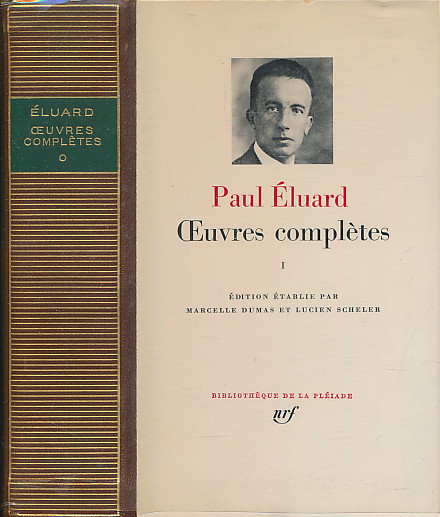
Paul Eluard Oeuvres completes. Tome I. Bibliotheque de La Pléiade, 1968. Pages : LXXXIV + 1663. Edition établie par Marcelle Dumas & Lucien Scheler
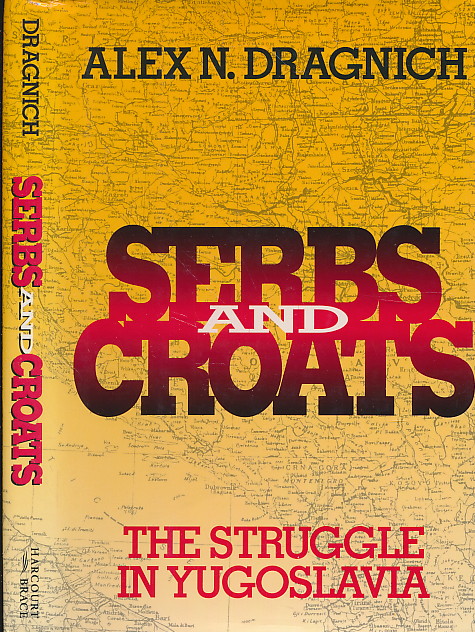
For Yugoslavia, the triumph of independent statehood following World War I became a tragedy seventy years later. Yugoslavia was born in 1918 as the Kingdom of the Serbs, Croats, and Slovenes, with King Alexander as its sovereign. In 1929 the country was renamed the Kingdom of Yugoslavia. After the Nazi invasion in World War II, Slovenia became part of Greater Germany, Croatia a Fascist state ruled by the Ustashi. Mass killings by the Ustashi followed, in concentration camps, churches, and homes, of Serbs, Jews, Gypsies. Killings of Serbs by Croats–both Slavic peoples and neighbors, speaking the same language but divided by religion and cultural allegiances. In this highly informative and lucid account, Professor Dragnich discusses the ideals and hopes that the South Slavs brought to Yugoslavia, their tortured attempt to create a workable political system, and the reasons behind the chaos and violence. Serbs and Croats, a story of cruel ironies.
This is the diary of an American journalist who late in 1937 became the Continental European representative of the Columbia Broadcasting System. After August 1939 he made his headquarters in Berlin and most of his entries are dated from there. Some of his most exciting passages, however, were written in Vienna at the time of the Anschluss, in Czechoslovakia just before Munich, in Danzig and Poland on the eve of the war, and in Belgium and France under German occupation… In this book he reveals many of the things which he was not allowed to divulge over the ether. Altogether this is one of the most illuminating and readable books that have come out of the war (Foreign Affairs).
Dorothy Canfield Fisher (February 17, 1879 – November 9, 1958) was an educational reformer, social activist, and best-selling American author in the early 20th century. She strongly supported women’s rights, racial equality, and lifelong education. Eleanor Roosevelt named her one of the ten most influential women in the United States. In addition to bringing the Montessori method of child-rearing to the U.S., she presided over the country’s first adult education program and shaped literary tastes by serving as a member of the Book of the Month Club selection committee from 1925 to 1951.
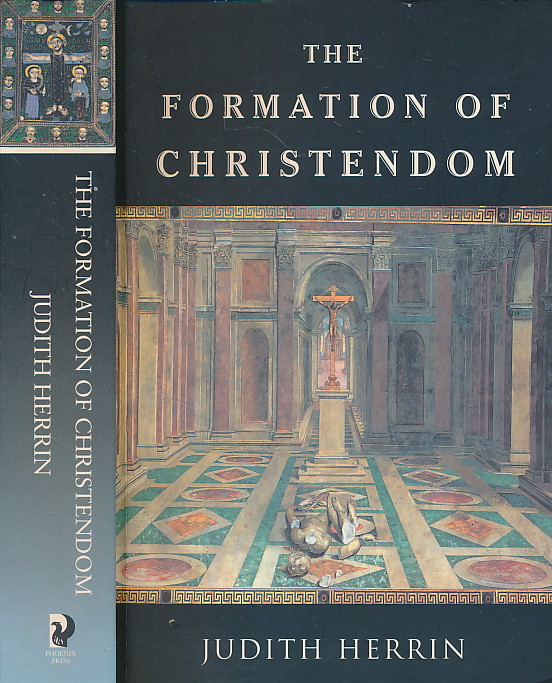
Judith Herrin’s tour de force argues that the ‘initial particularity’ of Europe can be found between the fourth and the ninth centuries. Her scholarship ‘is so exciting: she can convince the reader that the roots of Western distinctiveness really do lead all the way to forgotten episcopal meetings in small towns in Asia Minor in the fourth century’ Michael Ignatieff, Observer. ‘a civilized and accomplished book’ Economist.
Nato intervention in Kosovo marked a major turning point in post cold war international relations. While some western commentators argued that it was the first war to be fought on purely moral grounds, Serbian, Russian and Chinese assessments were sharply different.This highly original addition to the literature on Kosovo highlights the importance of perspective to an understanding of both the causes and consequences of war. It makes clear that the conceptual lenses, paradigms or frameworks through which political actors view reality in turn affect their understanding of the behaviour of others and their reactions to it. The authors, a team of regional experts on the countries covered, examine the way the war has been understood in countries involved in and peripheral to the conflict. Their aim is to provide a broad yet highly nuanced picture of this focal point of Balkan unrest.The book opens with an introduction to the historical and regional context of the conflict. The authors go on to present twelve case-studies, ranging from Serbia, and the other former Yugoslav republics, to the USA and to China. These detailed regional studies highlight the considerable variation in the key states’ perceptions of their national interest and their perceptions of what constitutes legality or legitimacy. In each case, domestic constraints are explored and the ways in which differing perspectives of political and military leadership fed into the crisis are examined. Further thematic chapters determine the war’s consequences and the lessons to be drawn in terms of the wider issues of refugees, humanitarian intervention, European security, and geopolitics. by Mary Buckley (Editor), Sally N. Cummings (Editor)
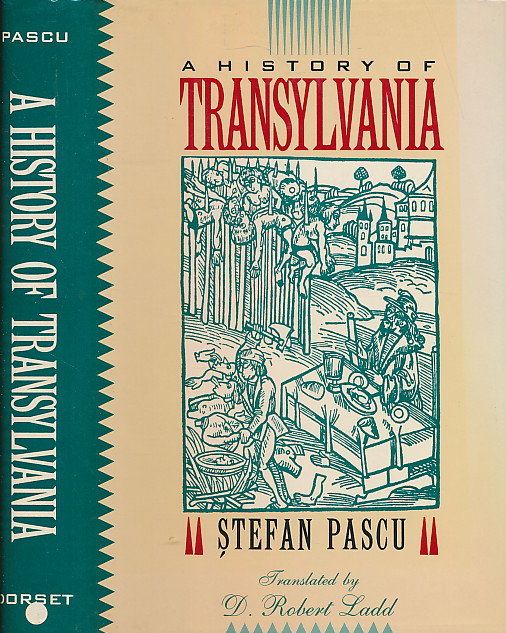
Translated by D. Robert Ladd.
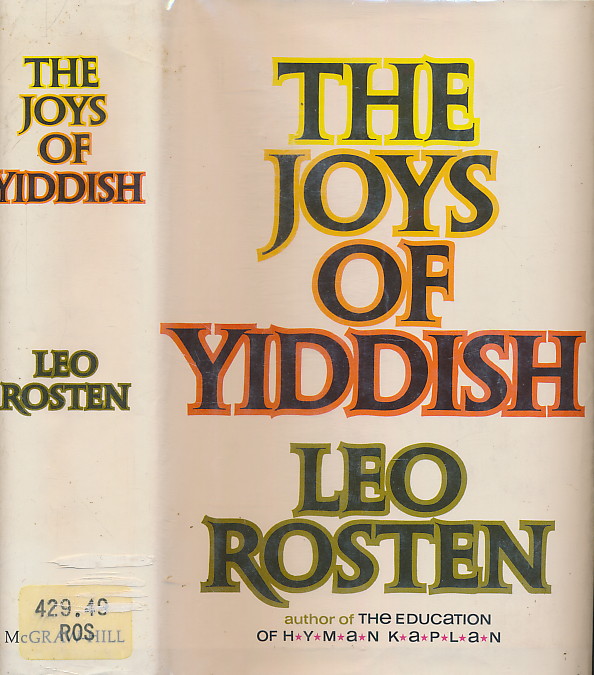
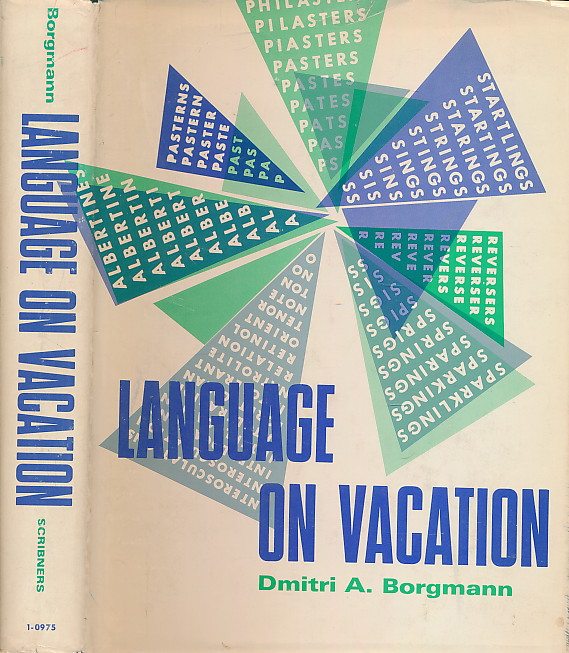
A Relaxed Lexicon of Yiddish, Hebrew and Yinglish Words Often Encountered in English, Plus Dozens That Ought to Be, with Seredipitous Excursions into Jewish Humor, Habits, Holiday, History, Religion Ceremonies, Folklore, and Cuisine, the Whole Generously Garnished with Stories, Anecdotes, Epigrams, Talmudic Quotations, Folk Sayings and Jokes, from the Days of the Bible to Those of the Beatnik.
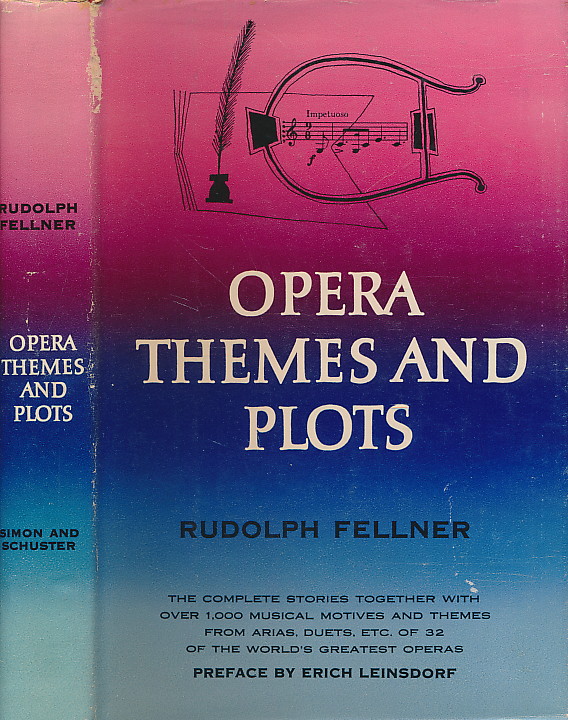
This book is a comprehensive guide to operas. Whether you are a novice or an experienced musician, Fellner’s book serves as an indispensable resource. Basic musical and dramatic materials accompany vocal scores of operas from the repertoire of great opera houses. With rich summaries, Fellner gives readers a rich overview of the world of Opera.
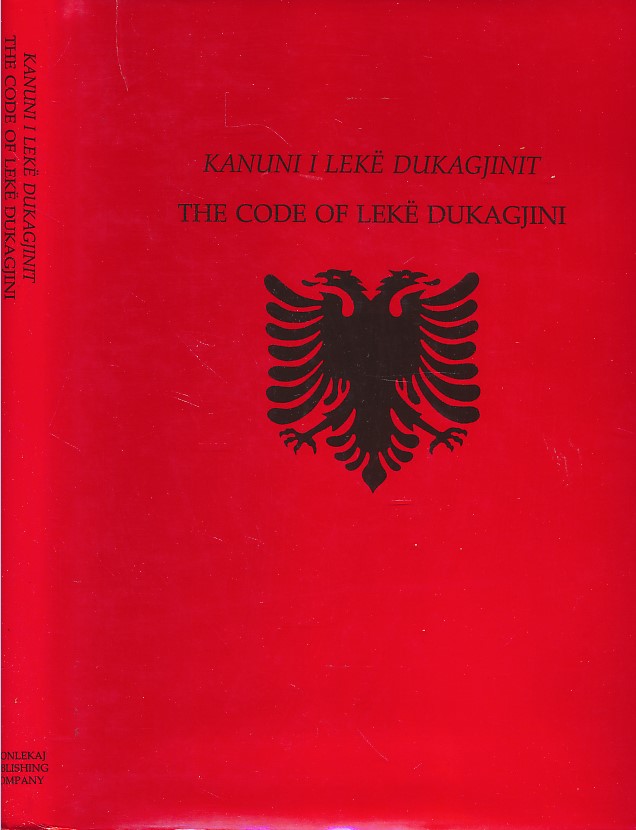
Albanian-English Language. The Code of Leke Dukagjini translated from the Albanian by Leonard Fox. Hardback with glossy red dust jacket. Albanian text Collected and Arranged by: Shtjefën Gjeçov Translated, with an Introduction by: Leonard Fox
Physical description; xlvii, 461 pages. Subjects; Christian art and symbolism. Monasticism and religious orders. Saints Art. Saints.
Secon, revised and substantially enlarged edition.
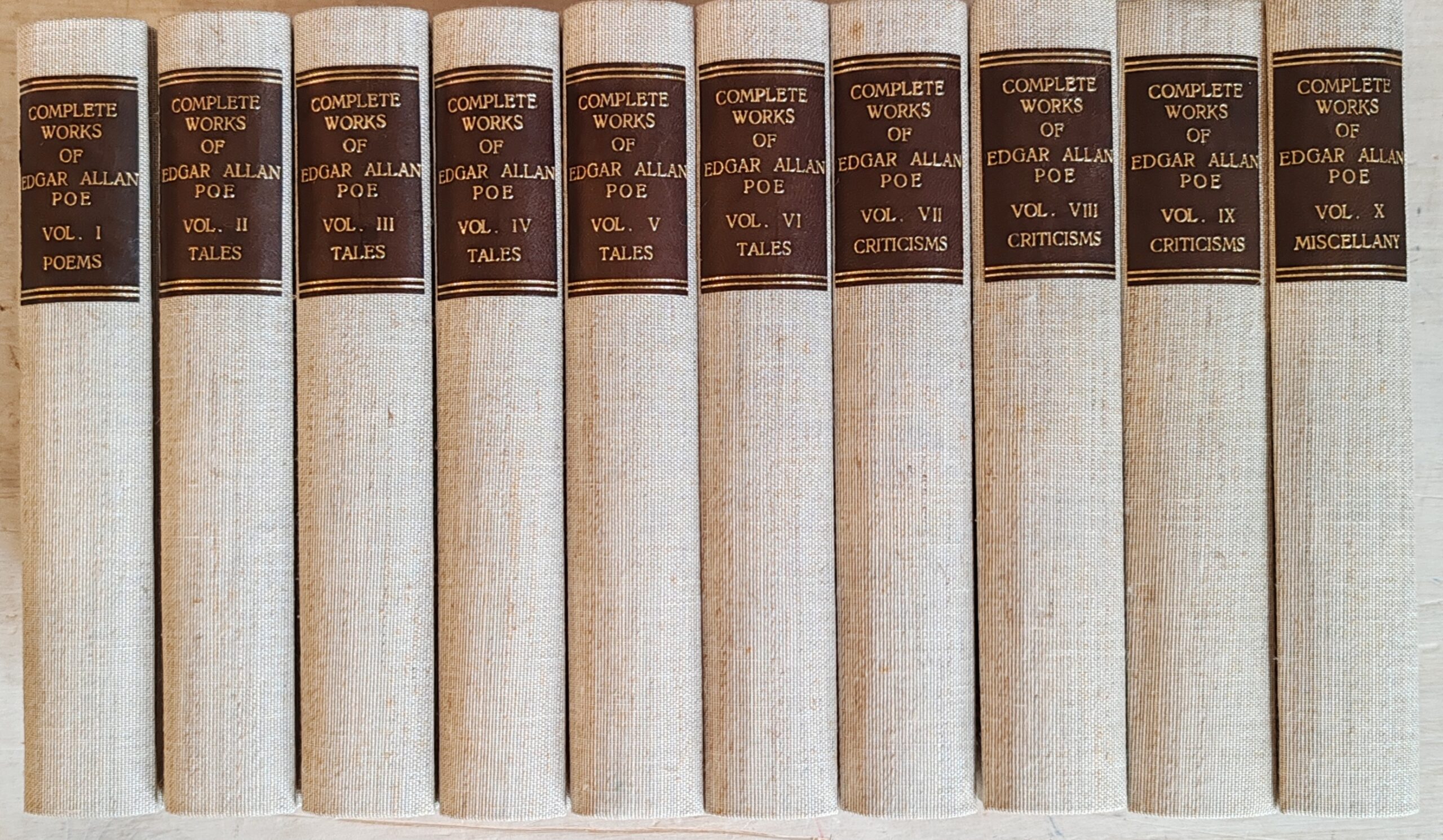
Complete Works of Edgar Allan Poe 10 Vol. Limited Ed. 1902 Fred De Fau & Co., NY. Limited edition #870 of 1000 printed.
Elliott Monographs In the Romance Languages and Literatures No.21
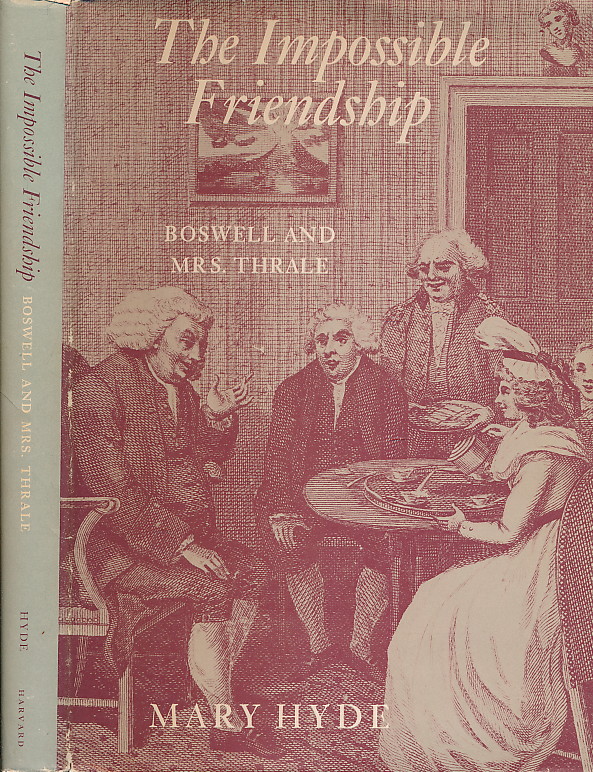
Cambridge: Harvard University Press, 1972. First edition, 8vo, 32 illustrations (mostly full-p.), fine copy in dust jacket.