Illustrated by Scott McKowen. Hardcover with Dust Sleeve, in great condition!
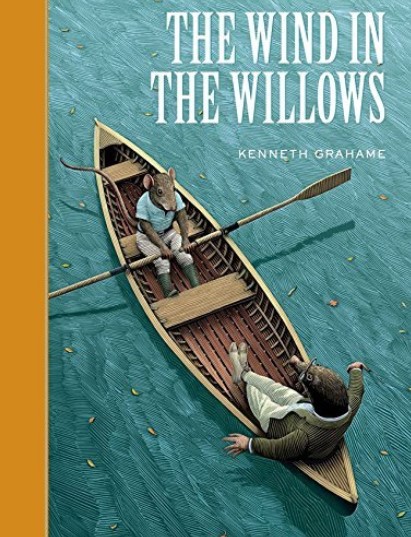
Illustrated by Scott McKowen. Hardcover with Dust Sleeve, in great condition!

The first volume is missing. 368, 347, 342, 337 p.

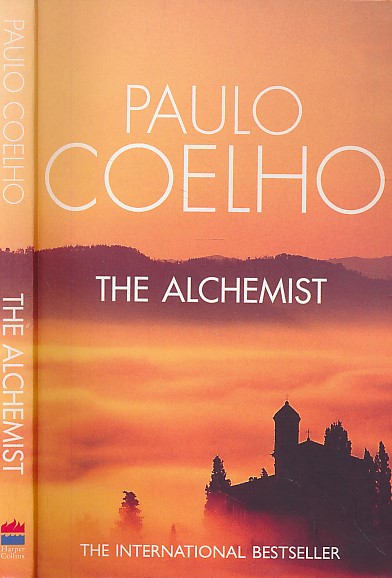
Combining magic, mysticism, wisdom, and wonder into an inspiring tale of self-discovery, The Alchemist has become a modern classic, selling millions of copies around the world and transforming the lives of countless readers across generations. Paulo Coelho’s masterpiece tells the mystical story of Santiago, an Andalusian shepherd boy who yearns to travel in search of a worldly treasure. His quest will lead him to riches far different—and far more satisfying—than he ever imagined. Santiago’s journey teaches us about the essential wisdom of listening to our hearts, recognizing opportunity and learning to read the omens strewn along life’s path, and, most importantly, following our dreams.

Written with the same masterful prose and clarity of vision that made The Alchemist an international phenomenon, The Fifth Mountain is Paulo Coelho’s inspiring story of the Biblical prophet Elijah. In the ninth century B.C., the Phoenician princess Jezebel orders the execution of all the prophets who refuse to seek safety in the land of Zarephath, where the unexpectedly finds true love with a young widow. But this newfound rapture is to be cut short, and Elijah sees all of his hopes and dreams irrevocably erased as he is swept into a whirlwind of events that threatens his very existence. In what is truly a literary milestone, Coelho gives a quietly moving account of a man touched by the hand of God who must triumph over his frustrations in a soul-shattering trail of faith.

Ilustrirao Vladimir Kirin. Treće izvanredno izdanje Matice hrvatske 1926.

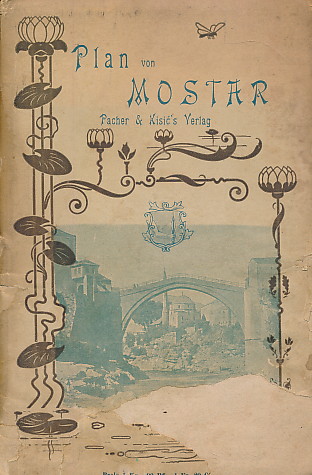
Plan Mostara iz 1899. godine izdavačke kuće Pacher & Kisić vrijedno je svjedočanstvo o jednom razdoblju historije Mostara. Štampan dvojezično, na bosanskom i na njemačkom jeziku uz preglednu unutrašnju organizaciju podataka, prikladan je kako za strance koji se žele upoznati sa razvojem Mostara u periodu Austro – Ugarske, tako i za ljude sa ovih prostora. U uvodnom dijelu naslovljenom Plan Mostara – kratki putokaz i imenik ulica te uz imenovanje toponima po kojima je prepoznatljiva geografija grada, predstavljen je razvoj Mostara od srednjevjekovnog perioda, njegov uspon u vremenu Osmanske vladavine a kao historijski logičan slijed najavljuje se razdoblje koje je u fokusu ove brošure – austrougarski period. Prateći nazive najvažnijih sfera javnog života u Mostaru austrougarskog razdoblja, brošura je organizirana u dijelove s nazivima Uredi, Gradska nadleštva, Austro – Ugarska vojna zapovjedništva – Organi vlasti i institucije, Kasarne, Ostalo, Poštansko – telegrafska služba, Obrazovne ustanove, Privatne službe i ostali uredi, Značajne firme, Izletišta & znamenitosti, Nomenklatura za plan Mostara, a posljednji dio donosi mapu grada Mostara na kojoj su upisani prepoznatljivi lokaliteti urbanog života……..” – iz recenzije v.prof.dr. Lejla Žujo – Marić Rasklopna mapa 68×24,5 cm.
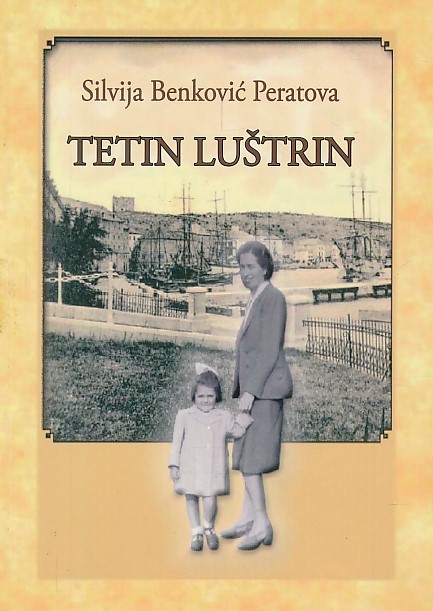
Teta 2

Bacchylidis Carmina cum fragmentis Fridericus Blass Published by Editions Teubner, Leipzig, 1899. Text in Greek and Latin.
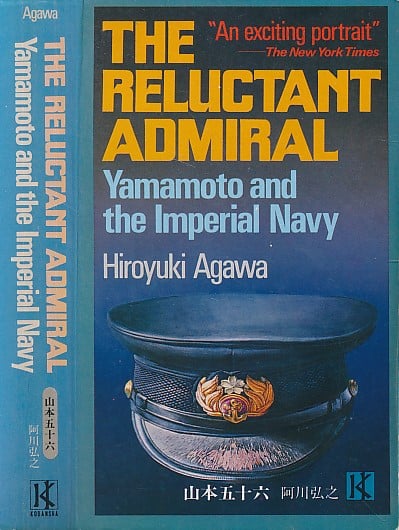
This is a portrait both of an individual and of an organization. The individual is the Japanese admiral who, as architect of the Pearl Harbor raid and commander of the Combined Fleet throughout the first part of World War II, is one of the most widely known of Japanese wartime leaders. The organization is the Japanese Imperial Navy, whose gentlemanly traditions and outlook contrasted strongly with those of the Japanese army and whose failure to check the latter in its headstrong course makes one of the sadder episodes of recent history. Here, for the first time, Yamamoto emerges as the complex, sympathetic, and in many ways contradictory character that he was. A realist who foresaw the future importance of the airplane for the navy long before his contemporaries and who believed that Japan would inevitably be defeated in any war with America and Britain, he was also an inveterate gambler with an odd streak of superstition. A tough leader, he had at the same time a vein of sentimentality that would allow him to burst into tears at the funeral of a young subordinate. In public the very epitome of the dignified national hero, in private he often showed a schoolboyish playfulness that was sometimes endearing and occasionally embarrassing. He was always ready to express his views with a frankness uncommon in his day, yet he revealed in the end the same readiness as most of his fellow countrymen to accept passively the call of duty. The author, refusing the temptation to indulge in speculation or reconstruction, has gone straight to the original sources–accounts written by those who worked with Yamamoto; scores of interviews with men and women who knew him personally; above all, letters written by Yamamoto himself. The latter range from his more circumspect, semi-official communications to intimate letters addressed to his mistress or long-standing friends of both sexes, in which he bares his private doubts and pessimism. It is these personal documents and reminiscences that make the character so human and, ultimately, give such a moving quality to the account of his dramatic wartime death in the South Pacific. An intimate portrait of the man who planned the attack on Pearl Harbor and died a dramatic death in the South Pacific.
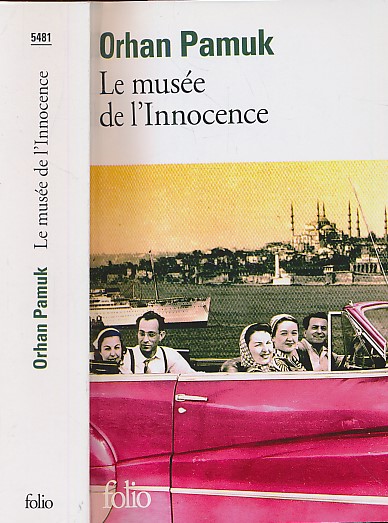
Nous sommes en 1975. Kemal, un jeune homme d’une trentaine d’années s’apprete a épouser Sibel, issue comme lui de la bonne bourgeoisie stanbouliote, quand il rencontre Füsun, une parente éloignée, vendeuse dans une boutique de luxe. Il tombe amoureux de la jeune fille. Sous prétexte de lui donner des cours de mathématiques, Kemal retrouve Füsun tous les jours dans l’appartement vide de sa mere, tout en poursuivant sa liaison avec Sibel. Apres les fiançailles célébrées en grande pompe entre Sibel et Kemal, Füsun disparaît. Kemal rend alors visite a sa famille et emporte une simple réglette ayant appartenu a Füsun : ce sera la premiere piece du musée qu’il consacrera a son amour disparu. Puis, il avoue tout a Sibel et rompt les fiançailles. Quelque temps apres, Kemal retrouve la trace de Füsun, mariée a son ami d’enfance Feridun et revant de faire du cinéma. Kemal ira jusqu’a fonder une société de production pour aider le jeune couple. Sous ce prétexte, il dîne tres régulierement chez eux, emportant a chaque fois un objet touché par Füsun pour le placer dans son musée. Quelques années passent, et Füsun décide de divorcer afin d’épouser Kemal. Mais un accident de la route aura raison de leur projet de mariage : Füsun se tue au volant de sa Chevrolet de reve. Kemal rachete alors son appartement et demande a l’écrivain Orhan Pamuk décrire leur histoire d’amour… Le musée de l’innocence est un grand roman nostalgique sur le désir et l’absence, une nouvelle preuve de l’immense talent de l’écrivain turc.
Odiseja, grčki ep autorom kojega se tradicionalno drži Homer. Nastala je nedugo nakon Ilijade, vjerojatno oko 725. pr. Kr. Obaseže nešto više od 12 000 heksametara, koje su helenistički filolozi, kao i Ilijadu, prema slovima grčkog alfabeta podijelili u 24 pjevanja. Okosnica je priče kasni Odisejev povratak iz Trojanskoga rata na rodnu Itaku i obračun s proscima koji mu snube ženu Penelopu. Ispripovijedana radnja obuhvaća oko šest tjedana, uz česta zahvaćanja u pretpovijest priče. Ep otpočinje vijećanjem bogova koji zaključuju da je prošlo deset godina nakon pada Troje te da se Odisej, kojega na otoku Ogigiji zadržava nimfa Kalipsa, napokon može vratiti kući. S Olimpa se priča premješta na Itaku, gdje se Odisejev sin Telemah, uz pomoć božice Atene, odlučuje raspitati o očevoj sudbini (pjevanja 1–4). U međuvremenu Kalipsa na Zeusovu zapovijed pušta Odiseja, koji nakon velikih iskušenja na moru dospijeva na Sheriju, u zemlju Feačana (5). Ondje ga na obali otkriva kraljeva kći Nauzikaja, te je zahvaljujući njoj gostoljubivo primljen na tamošnjem dvoru (6–8). Odisej domaćinima pripovijeda što mu se dogodilo nakon pada Troje: o sukobu s Kikoncima, boravku kod Lotofaga i obračunu s divom Polifemom (9); o susretu s bogom vjetrova Eolom i njegovu kobnom daru, o ljudožderima Lestrigoncima koji su mu uništili jedanaest od dvanaest brodova, o dolasku na otok Eeju, gdje ga je zasužnjila čarobnica Kirka, a njegove drugove pretvorila u svinje (10). Na Kirkin nagovor spustio se Odisej u podzemlje kako bi od vrača Tirezije doznao kakve su mu prilike kod kuće i kako se može sigurno vratiti (11). Ploveći prema Itaci, uspijeva izmaknuti zamamnomu pjevu sirena, Scili i Haribdi, ali zbog neopreznosti drugova, koji su uvrijedili boga Helija, brod strada u oluji i jedino Odisej dopliva živ na Kalipsinu Ogigiju (12). Završetak Odisejeve priče podudara se tako s početnom epizodom epa. Feačani ga potom prebacuju na Itaku, a Atena ga iz opreza preruši u prosjaka (13). Od vjernoga svinjara Eumeja doznaje za obijesno ponašanje prosaca; otkriva se sinu Telemahu i zajedno s njim smišlja obračun s uljezima (14–16). Nakon dvadesetogodišnjeg izbivanja u rodnom ga domu prepoznaje pas Arg, no zbog prosjačkoga ruha izložen je uvrjedama i fizičkim napadima (17–18). Penelopa objavljuje da će se udati za onoga koji uspije iz Odisejeva luka odapeti strijelu kroz uške dvanaest nanizanih sjekira (19). Nakon jalovih pokušaja prosaca, Odisej s lakoćom ispuni taj zadatak; uz pomoć sina i vjernih pomoćnika obračuna se sa zlostavljačima, te potom uz Ateninu pomoć spriječi nastavak nereda na Itaci (20–24). Velik dio Odiseje ispričan je na usta likova, ponajprije naslovnoga junaka, koji je tako u povlaštenu položaju da ponudi svoju verziju zbivanja. U odnosu prema pripovjednoj strategiji Ilijade krupna je novina i to da se opsežni odsječci priče pripovijedaju naknadno, izvan pretpostavljena kronološkoga slijeda. Za razliku od plošne ratničke etike Ilijade, likovi u Odiseji pokazuju veću moralnu raznolikost. U njoj bogovi nisu iracionalno svrstani uz sukobljene strane; njihove intervencije u zemaljska zbivanja posljedica su općerazumljive, gdjekad i jasno obrazložene moralne prosudbe, bila riječ o kazni ili o nagradi. Na ćirilici.
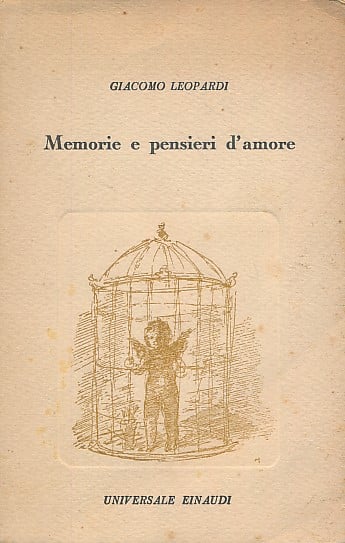
Io non ho mai sentito tanto di vivere quanto amando, benché tutto il resto del mondo fosse per me come morto. L’amore e la vita e il principio vivificante della natura, come l’odio il principio distruggente e mortale. Le cose son fatte per amarsi scambievolmente, e la vita nasce da questo… Giacomo Leopardi
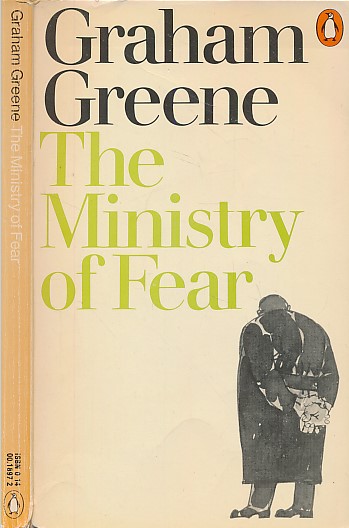
For Arthur Rowe, the trip to the charity fete was a joyful step back into adolescence, a chance to forget the nightmare of the Blitz and the aching guilt of having mercifully murdered his sick wife. He was surviving alone, outside the war, until he happened to win a cake at the fete. From that moment, he is ruthlessly hunted by Nazi agents and finds himself the prey of malign and shadowy forces.
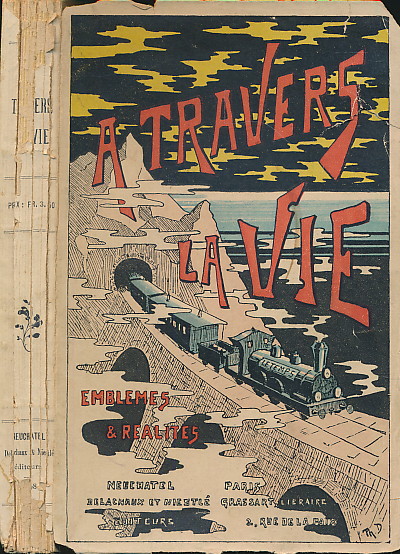
A travers la Vie. Emblemes et réalités par une mere de famille. DELACHAUX, Louise. Published by Delachaux & Niestlé/Grassart, Neuchâtel/Paris, 1898
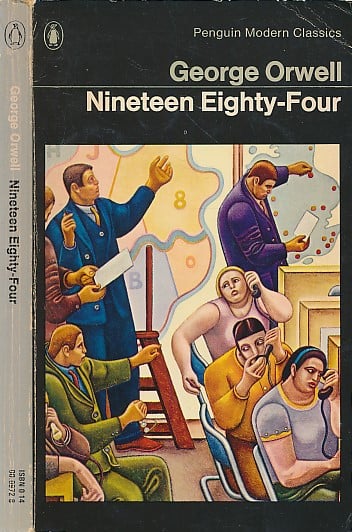
A masterpiece of rebellion and imprisonment where war is peace freedom is slavery and Big Brother is watching Thought Police Big Brother Orwellian These words have entered our vocabulary because of George Orwell s classic dystopian novel 1984 The story of one man s nightmare odyssey as he pursues a forbidden love affair through a world ruled by warring states and a power structure that controls not only information but also individual thought and memory 1984 is a prophetic haunting tale More relevant than ever before 1984 exposes the worst crimes imaginable the destruction of truth freedom and individuality.
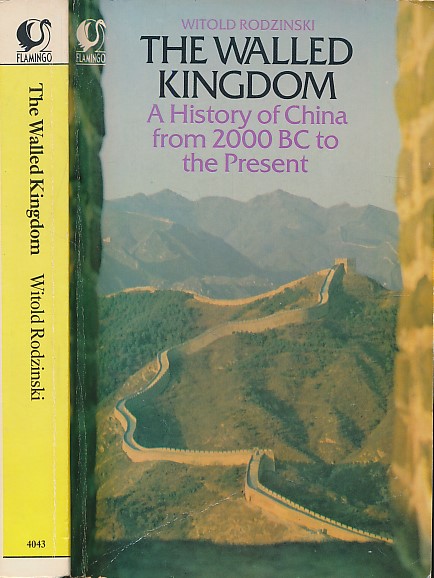
This narrative history of China begins with the earliest times and traces the evolution of Chinese society and civilization through the successive dynasties to the period of decay and exploitation by the West in the 19th century. Particular attention is given to events since 1900: the civil wars of the twenties and thirties, the emergence of the People’s Republic of China in 1949, the rule of Mao, the bitter years of the Cultural Revolution, and its troubled aftermath.
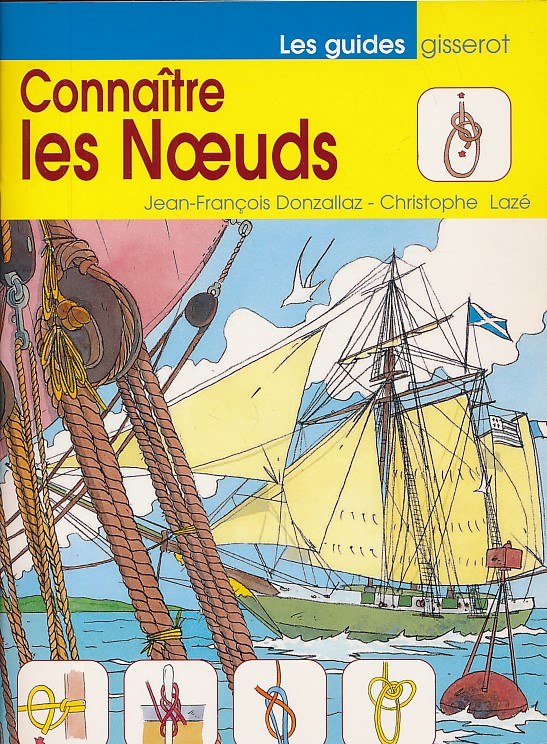
Les guides gisserot


Chaucer and His Poetry Lectures Delivered in 1914 .at Johns Hopkins University [first edition] Kittredge, George Lyman Published by Harvard University Press, 1915
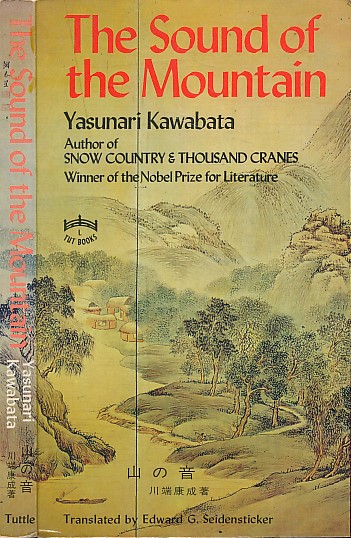
Ogata Shingo is growing old, and his memory is failing him. At night he hears only the sound of death in the distant rumble from the mountain. The relationships which have previously defined his life – with his son, his wife, and his attractive daughter-in-law – are dissolving, and Shingo is caught between love and destruction. Lyrical and precise, The Sound of the Mountain explores in immaculately crafted prose the changing roles of love and the truth we face in ageing.
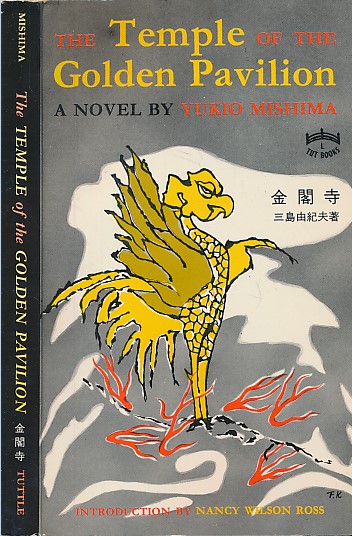
In The Temple of the Golden Pavilion, celebrated Japanese novelist Yukio Mishima creates a haunting and vivid portrait of a young man’s obsession with idealized beauty and his destructive quest to possess it fully. Mizoguchi, an ostracized stutterer, develops a childhood fascination with Kyoto’s famous Golden Temple. While an acolyte at the temple, he fixates on the structure’s aesthetic perfection and it becomes the one and only object of his desire. But as Mizoguchi begins to perceive flaws in the temple, he determines that the only true path to beauty lies in an act of horrendous violence. Based on a real incident that occurred in 1950, The Temple of the Golden Pavilion brilliantly portrays the passions and agonies of a young man in postwar Japan, bringing to the subject the erotic imagination and instinct for the dramatic moment that marked Mishima as one of the towering makers of modern fiction.