Philosophia Naturalis Principia Mathematica
€95,00
Na zalihi
| Težina | 2216 g |
|---|---|
| Format | 23 × 29 cm |
| Autor | |
| Broj stranica | 505 |
| Uvez | Tvrdi |
| Stanje knjige | Kao nova |
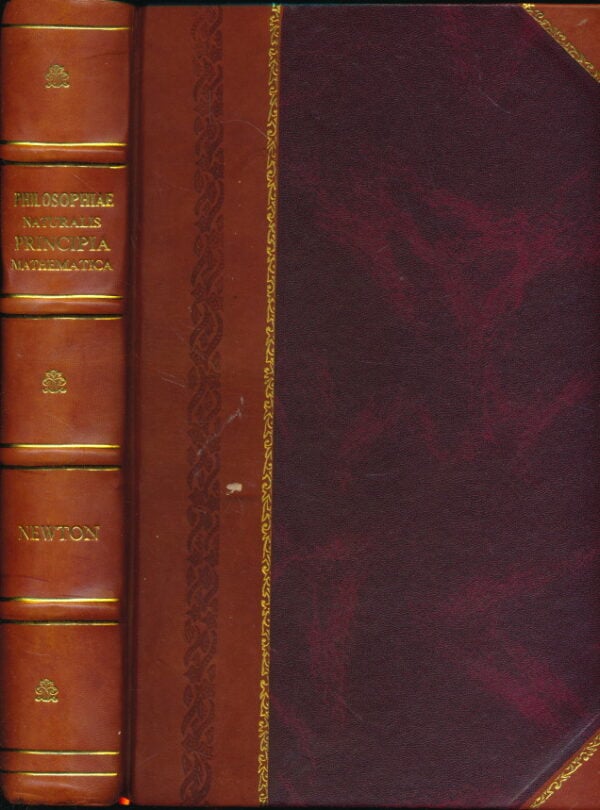

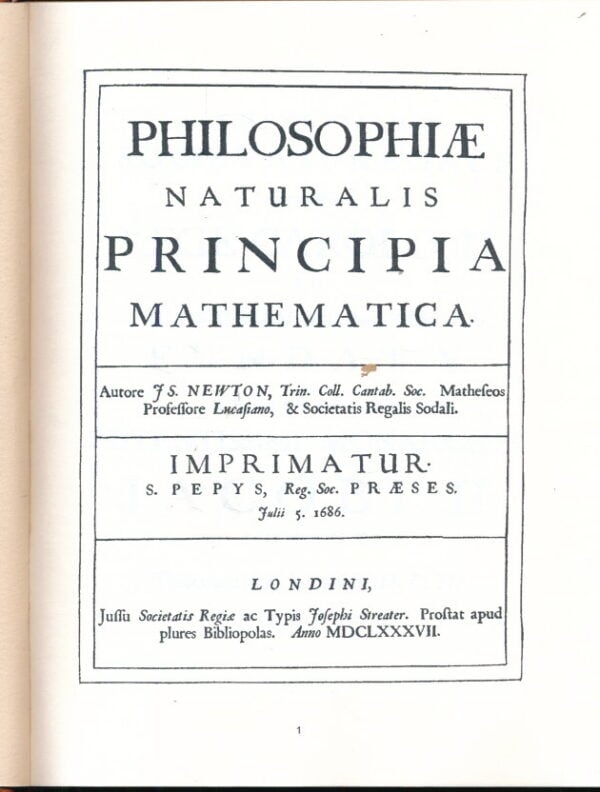
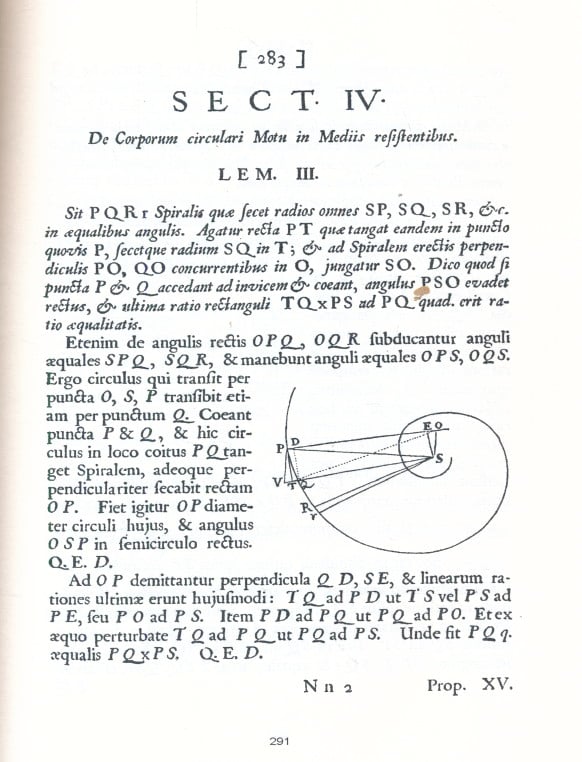
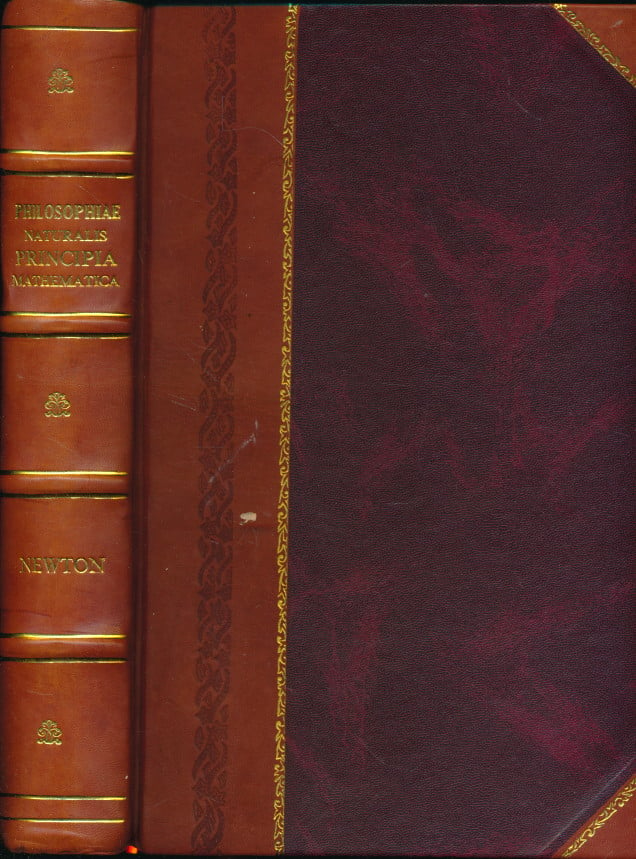
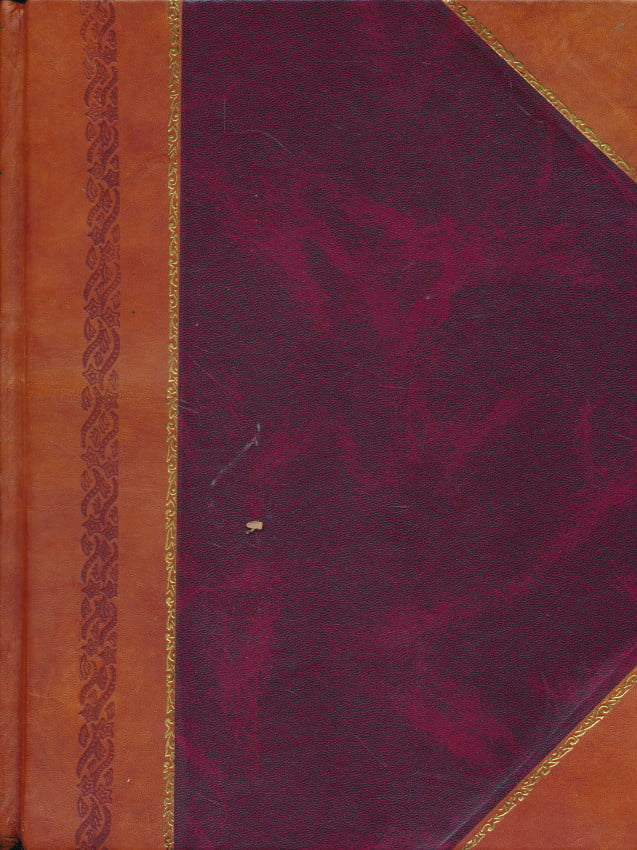
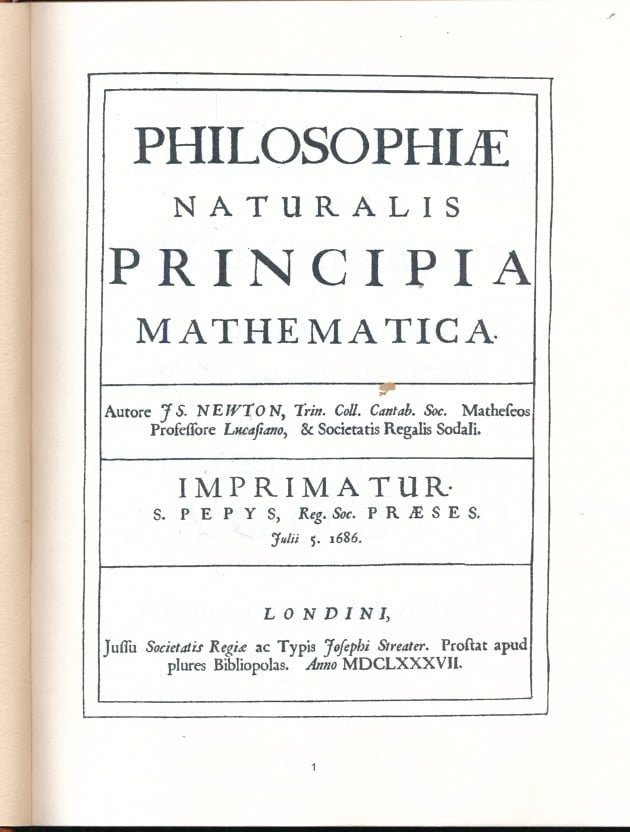
Reprint. 20?? Fascimile Publischers. Leather. Philosophiae naturalis principia mathematica. London: by the order of the Royal Society, printed by Joseph Streater, to be sold by Samuel Smith and other booksellers, 1687 Newton’s Principia, his first major publication, contained a new way of looking at the cosmos, solving the problems of planetary motion, along with his three laws of dynamics and the law of universal gravitation. Much of this is today considered standard and familiar, taught in all schools, yet at the time it was revolutionary and contrary to established scholarship. In particular, gravity was perceived on the Continent as a magical rather than a tangible force because it operates invisibly (as does magnetism, yet magnetism only operates within a limited area). Newton’s mathematics, however, proved greatly influential on the Continent, even if his ideas of cosmology were initially subject to criticism by, among others, Huygens and Leibniz. His theory of universal gravitation was still not accepted by foreign scholars at the time of his death in 1727.